


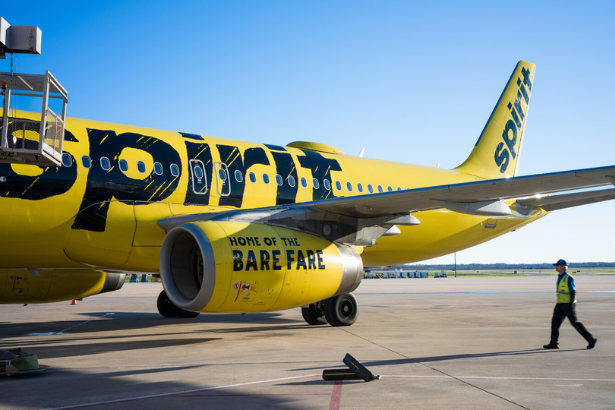
Surging jet fuel prices, failed restructuring, and potential shutdown threaten budget carrier’s survival
Introduction
Spirit Airlines is trending sharply as the budget carrier’s bankruptcy exit plan collapses amid surging jet fuel prices and mounting operational challenges. This Spirit Airlines crisis has escalated from restructuring hopes to potential liquidation within days, leaving millions of passengers questioning flight bookings and refund eligibility.
The Spirit Airlines situation involves three critical developments: bankruptcy exit complications from fuel price surges, potential liquidation as early as this week, and urgent questions about what happens to booked flights. For the millions who rely on Spirit Airlines for affordable travel, understanding whether the carrier will survive and what protections exist for ticket holders is essential.
Background and Context
Spirit Airlines pioneered the ultra-low-cost carrier (ULCC) model in the United States, offering rock-bottom fares by charging separately for everything from seat selection to carry-on bags. This approach made air travel accessible to price-sensitive customers but created thin profit margins vulnerable to economic shocks.
Spirit Airlines Financial Timeline:
- 2011: Initial public offering, aggressive expansion begins
- 2019-2020: Peak profitability before COVID-19 pandemic
- 2021-2022: Post-pandemic recovery, JetBlue merger announcement
- 2023: JetBlue merger blocked by federal regulators
- January 2024: Chapter 11 bankruptcy filing
- Early 2026: Bankruptcy exit plan approved conditionally
- April 2026: Exit plan collapses, liquidation threats emerge
The Spirit Airlines bankruptcy stemmed from multiple factors: pandemic debt accumulation, failed merger attempt, intense competition from traditional carriers adopting basic economy fares, and operational challenges including pilot shortages and maintenance costs.
Why Spirit Airlines Bankruptcy Exit Matters
Airline bankruptcies affect far more stakeholders than typical corporate failures:
Passenger Impact: Millions hold Spirit Airlines tickets for future travel, representing billions in prepaid revenue.
Employment Consequences: Over 10,000 Spirit Airlines employees face job uncertainty.
Market Competition: Spirit Airlines’ ultra-low fares disciplined pricing across the industry; its loss could raise ticket costs broadly.
Airport Dynamics: Many airports rely on Spirit Airlines to fill gates and routes that legacy carriers abandoned.
Latest Update: Spirit Airlines Bankruptcy Exit Fails Amid Crisis
According to reporting from The Wall Street Journal’s analysis, The Palm Beach Post’s coverage, and CNBC’s sources, Spirit Airlines faces imminent collapse as restructuring plans unravel.
Three Critical Spirit Airlines Developments:
1. Jet Fuel Price Surge Derails Spirit Airlines Bankruptcy Exit
The Wall Street Journal reports Spirit Airlines’ bankruptcy exit is in flux as jet fuel prices surge unexpectedly:
Fuel Price Impact: Jet fuel costs have increased 35% since Spirit Airlines’ bankruptcy exit plan was approved, fundamentally altering the carrier’s financial projections.
Restructuring Economics: The Spirit Airlines bankruptcy exit plan assumed $85-per-barrel oil prices; current prices near $115 per barrel make the business plan unviable.
Creditor Concerns: Lenders who agreed to support Spirit Airlines’ emergence from bankruptcy are reconsidering commitments given deteriorating fuel economics.
Cash Burn Acceleration: Higher fuel costs mean Spirit Airlines burns through cash reserves faster than projected, threatening liquidity before restructuring completes.
Operating Model Vulnerability: Ultra-low-cost carriers like Spirit Airlines operate on razor-thin margins; fuel price increases that legacy carriers can absorb through premium cabin revenue prove fatal to budget-only models.
The Spirit Airlines fuel crisis demonstrates how commodity price volatility can destroy bankruptcy exit plans even after court approval and stakeholder agreement.
2. Spirit Airlines Could Liquidate Within Days
CNBC reports that Spirit Airlines could liquidate as early as this week, according to industry sources:
Liquidation Timeline: Bankruptcy court hearings scheduled this week could result in Spirit Airlines ceasing operations and beginning asset liquidation processes.
Asset Sale Scenarios: Rather than continuing operations, Spirit Airlines may sell aircraft, gates, routes, and other assets to competitors in piecemeal liquidation.
Operational Wind-Down: If liquidation proceeds, Spirit Airlines would cancel all flights, strand passengers, and begin employee terminations immediately.
Acquisition Alternatives: Last-minute acquisition by competitors remains possible but increasingly unlikely as Spirit Airlines’ situation deteriorates.
Creditor Pressure: With bankruptcy exit appearing impossible, creditors may push for liquidation to recover maximum value from Spirit Airlines assets before further deterioration.
The Spirit Airlines liquidation threat represents worst-case scenario for passengers, employees, and communities served by the carrier.
3. What Happens to Spirit Airlines Passengers and Bookings
The Palm Beach Post addresses urgent consumer questions about Spirit Airlines liquidation, prices, and refunds:
Booked Flight Status: Passengers with Spirit Airlines tickets for future travel face uncertainty about whether flights will operate.
Refund Eligibility: If Spirit Airlines liquidates, passengers become unsecured creditors typically receiving pennies on the dollar, not full refunds.
Credit Card Protections: Travelers who booked Spirit Airlines tickets on credit cards may dispute charges for unflown segments, though success depends on card issuer policies.
Travel Insurance: Policies covering carrier bankruptcy provide some protection, but many standard policies exclude this scenario.
Alternative Transportation: Other airlines are not obligated to honor Spirit Airlines tickets, forcing passengers to rebook and pay again if Spirit Airlines cancels flights.
The Spirit Airlines passenger situation highlights consumer vulnerability when carriers fail, particularly for budget travelers who can least afford rebooking costs.
Expert Analysis: Spirit Airlines Crisis Implications
Aviation industry analysts and bankruptcy experts assess the unfolding situation:
Why Spirit Airlines Restructuring Failed:
The Spirit Airlines bankruptcy exit collapse stems from multiple simultaneous pressures:
Fuel Economics: Ultra-low-cost carriers cannot pass fuel price increases to customers without losing competitive advantage; legacy carriers offset fuel costs through premium cabins and loyalty programs Spirit Airlines lacks.
Competitive Landscape: Major carriers adopted basic economy fares that compete directly with Spirit Airlines while maintaining premium revenue streams that budget carriers cannot match.
Debt Burden: Pandemic-era debt accumulation combined with failed JetBlue merger costs left Spirit Airlines with unsustainable leverage even before fuel price increases.
Operational Challenges: Pilot shortages, maintenance backlogs, and aging fleet issues created operational unreliability that drove customers away even from low fares.
Capital Market Access: Bankruptcy stigma and deteriorating fundamentals made raising exit financing impossible at viable terms.
For Air Travel Market Competition:
Spirit Airlines’ potential exit would significantly impact industry dynamics:
Fare Increases: Without Spirit Airlines disciplining pricing on routes it serves, average fares could increase 10-15% on affected city pairs.
Route Abandonment: Many secondary markets rely on Spirit Airlines for air service; liquidation could leave communities without affordable options.
Capacity Reduction: Spirit Airlines’ 200+ aircraft represent significant capacity that won’t be immediately replaced, tightening supply and raising prices.
Consolidation Acceleration: Spirit Airlines’ failure may prompt other budget carriers to seek mergers before facing similar fates.
Broader Implications
For Spirit Airlines Passengers and Ticket Holders:
The immediate Spirit Airlines crisis creates urgent decisions:
Near-Term Travel: Passengers with Spirit Airlines flights in next 2-4 weeks face highest risk of cancellations if liquidation proceeds.
Refund Strategies: Credit card chargebacks offer best recovery option; bankruptcy claims yield minimal recovery.
Rebooking Costs: Travelers should budget for potentially expensive last-minute rebooking on alternative carriers if Spirit Airlines cancels flights.
Travel Insurance Review: Future bookings should include bankruptcy protection coverage given industry instability.
For Spirit Airlines Employees:
Over 10,000 workers face devastating uncertainty:
Job Loss: Liquidation means immediate termination for most Spirit Airlines employees with minimal severance.
Pension Concerns: Pension Benefit Guaranty Corporation provides some protection but at reduced benefit levels.
Industry Rehiring: While other airlines need pilots and crew, Spirit Airlines employees face competition from similarly displaced workers across multiple recent failures.
For Aviation Industry Stability:
The Spirit Airlines crisis reflects broader sector vulnerabilities:
ULCC Model Viability: Questions emerge about whether ultra-low-cost carriers can survive long-term in US market given competitive and economic pressures.
Fuel Price Exposure: Airline business models remain dangerously exposed to commodity price shocks despite hedging strategies.
Pandemic Debt Overhang: Many carriers still carry pandemic-era debt that becomes unsustainable when operating conditions deteriorate.
Regulatory Impact: Failed JetBlue-Spirit Airlines merger that preceded bankruptcy raises questions about whether regulators should have approved consolidation.
For more on airline industry dynamics, see our <a href=”https://thetechmarketer.com/aviation-economics-guide”>complete guide to airline economics and market forces</a>.
Learn about <a href=”https://thetechmarketer.com/travel-consumer-protection”>consumer protection strategies for airline failures</a> in our tutorial.
Read our analysis of <a href=”https://thetechmarketer.com/budget-carrier-trends”>budget carrier market trends and sustainability</a> for context.
Related History: Budget Airline Bankruptcies
ValueJet (1996-1997): Early budget carrier failed following safety concerns and crash, demonstrating ULCC model vulnerabilities.
ATA Airlines (2008): Chapter 11 bankruptcy led to liquidation, stranding passengers and illustrating limited consumer protections.
Skybus Airlines (2008): Ceased operations after one year, showing difficulty of ultra-low-cost model during economic downturns.
WOW Air (2019): Icelandic budget carrier collapsed suddenly, stranding thousands internationally and highlighting geographic risks.
Norwegian Air (2020-2021): Pandemic-driven bankruptcy nearly led to liquidation before successful restructuring, showing survival is possible but difficult.
What Happens Next for Spirit Airlines
Immediate Timeline (Next 7-14 Days):
Bankruptcy Court Hearings: Critical proceedings this week determine whether Spirit Airlines continues operations or begins liquidation.
Creditor Negotiations: Last-ditch efforts to salvage bankruptcy exit or arrange acquisition continue behind scenes.
Operational Decisions: Spirit Airlines management must decide whether to continue selling tickets for future travel or cease bookings.
Employee Communications: Workers await clarity on employment status and potential severance or retention packages.
Potential Outcomes:
Best Case – Modified Exit: Spirit Airlines negotiates revised bankruptcy exit terms accounting for fuel prices, possibly with additional equity dilution or creditor concessions.
Middle Case – Acquisition: Competitor acquires Spirit Airlines assets in going-concern transaction, preserving some jobs and routes but retiring Spirit Airlines brand.
Worst Case – Liquidation: Spirit Airlines ceases operations, sells assets piecemeal, cancels all flights, and terminates employees.
Impact Assessment by Scenario:
If Spirit Airlines Survives:
- Reduced route network and capacity
- Higher fares to cover fuel costs
- Tighter operations with less schedule flexibility
- Continued budget option for price-sensitive travelers
If Spirit Airlines Liquidates:
- 10-15% fare increases on affected routes
- Service loss for secondary markets
- 10,000+ job losses
- Minimal passenger refunds through bankruptcy process
Market Response Predictions:
Other carriers will likely respond to Spirit Airlines developments:
Capacity Additions: Competitors may add flights on Spirit Airlines’ most profitable routes.
Fare Adjustments: Without Spirit Airlines competition, prices could increase on overlapping routes.
Asset Acquisitions: Legacy carriers may bid for Spirit Airlines’ gates, slots, and aircraft.
Conclusion
The Spirit Airlines crisis has escalated from manageable bankruptcy restructuring to potential liquidation within days, driven by surging fuel prices that destroyed exit plan economics. For the millions holding Spirit Airlines tickets and the thousands employed by the carrier, the next week brings existential uncertainty.
The Spirit Airlines fuel price surge demonstrates how commodity volatility can rapidly transform airline economics, particularly for ultra-low-cost carriers operating on thin margins without premium revenue cushions. What appeared to be a successful bankruptcy restructuring just weeks ago now faces collapse as operational assumptions prove unsustainable.
For passengers, the Spirit Airlines situation creates urgent decisions about upcoming travel plans, refund strategies, and rebooking alternatives. Credit card dispute processes offer the best recovery option for those who cannot travel if Spirit Airlines cancels flights, while bankruptcy claims typically yield minimal recovery.
The broader Spirit Airlines implications extend beyond one carrier to question the viability of the ultra-low-cost model in the US market. If Spirit Airlines liquidates, it will mark the largest ULCC failure in American aviation history and potentially reshape industry structure for years to come.
As bankruptcy proceedings unfold this week, the Spirit Airlines outcome will determine whether budget air travel remains accessible or whether consolidation and capacity reductions drive fares higher for price-sensitive consumers who can least afford increases.
FAQ
What is happening with Spirit Airlines? Spirit Airlines faces potential liquidation as its bankruptcy exit plan collapses due to surging jet fuel prices that make the restructured business plan financially unviable.
Will Spirit Airlines shut down? Spirit Airlines could liquidate as early as this week according to industry sources, though last-minute restructuring or acquisition remains possible.
What happens to my Spirit Airlines tickets if they liquidate? If Spirit Airlines liquidates, passengers become unsecured creditors typically receiving minimal refunds; credit card chargebacks offer better recovery options for unflown segments.
Are Spirit Airlines flights still operating? Spirit Airlines currently operates flights, but passengers with future bookings face uncertainty about whether flights will operate if liquidation proceeds.
Why is Spirit Airlines in trouble? Spirit Airlines filed bankruptcy in 2024 after a failed merger and pandemic debt; current crisis stems from 35% jet fuel price increases that destroyed restructuring plan economics.
Should I book Spirit Airlines flights now? Given liquidation risks, travelers should avoid new Spirit Airlines bookings and consider alternative carriers or ensure bankruptcy protection through credit cards or travel insurance.
Sources and References
The Wall Street Journal: Spirit’s Bankruptcy Exit in Flux as Jet Fuel Prices Surge
The Palm Beach Post: Is Spirit Airlines Shutting Down? What to Do If You Have Flights Booked
CNBC: Spirit Airlines Could Liquidate as Early as This Week, Sources Say