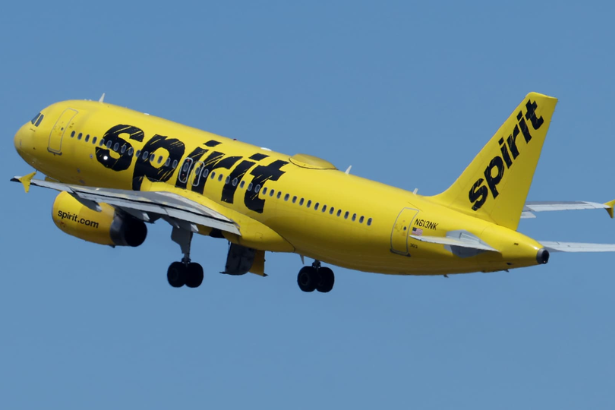
Travelers and investors react as reports highlight operational uncertainty, stranded aircraft recovery efforts, and growing concerns about airfare disruption
Spirit Airlines surged across Google Trends after multiple reports highlighted operational chaos, route uncertainty, and concerns surrounding the budget airline’s future.
The sudden spike in search activity followed coverage describing rapid efforts to reclaim stranded aircraft, speculation about airfare increases if Spirit shrinks operations, and reports that rival airlines are already positioning themselves to absorb routes and airport slots.
For travelers, the story immediately triggered anxiety about flight prices, route availability, and the future of ultra-low-cost air travel in the United States.
Background and Context
Spirit Airlines has long occupied a unique position in the U.S. aviation industry.
The airline became one of the country’s most recognizable ultra-low-cost carriers by offering aggressively cheap base fares while charging separately for extras like baggage, seat selection, and onboard services.
That business model made Spirit highly polarizing.
Some travelers embraced the affordability, while others criticized the airline’s fees, customer service, and operational reliability.
Despite criticism, Spirit played a major role in keeping airfare competition intense across domestic routes.
The airline’s financial struggles and operational turbulence now raise broader questions about what happens when a major low-cost competitor weakens or disappears.
Latest Update and News Breakdown
Inc. reported on a rapid-response operation involving pilots working to reclaim Spirit aircraft that had become stranded amid operational disruption.
The story highlighted how quickly aviation teams mobilized to stabilize aircraft logistics and maintain continuity.
Meanwhile, the Miami Herald explored concerns that a Spirit Airlines shutdown or major reduction in operations could push airfare prices higher nationwide.
The report emphasized how ultra-low-cost carriers help pressure larger airlines to keep ticket prices competitive.
The Wall Street Journal then added another layer to the conversation by reporting that rival airlines are already moving to absorb Spirit routes and valuable airport slots.
Together, those reports triggered major search spikes tied to:
- Spirit Airlines
- Spirit shutdown
- Cheap flights
- Airline route changes
- Airfare increases
- Budget airline news
Expert Insights and Airline Industry Analysis
The reason Spirit Airlines trends so aggressively is because budget airlines affect far more than bargain travelers.
Low-cost carriers influence pricing across the entire airline ecosystem.
When ultra-low-cost competition weakens, larger airlines often gain more pricing power on overlapping routes.
That possibility immediately captures public attention because airfare inflation has already become a major frustration for travelers.
Aviation analysts also point out that Spirit’s challenges reflect broader structural pressure inside the airline industry.
Airlines continue facing:
- Higher fuel costs
- Labor shortages
- Aircraft delivery delays
- Rising maintenance expenses
- Operational bottlenecks
- Intense competition
Budget carriers typically operate with thinner margins, making them especially vulnerable during periods of economic stress.
The operational recovery stories involving stranded aircraft also illustrate how complicated airline logistics become during disruption events.
Moving planes, pilots, maintenance crews, and schedules across multiple airports requires enormous coordination under time pressure.
Broader Implications
Cheap Airfare Could Become Harder to Find
If Spirit significantly reduces operations or loses route dominance, travelers may see fewer ultra-low-cost options available.
That could place upward pressure on ticket prices across domestic travel markets.
Airline Consolidation Concerns Continue Growing
The airline industry has already experienced years of consolidation.
Many consumer advocates worry that reduced competition could ultimately lead to:
- Higher fares
- Fewer route choices
- Reduced service flexibility
- Less pricing transparency
Operational Reliability Is Becoming a Bigger Industry Focus
Travelers increasingly care about reliability as much as low pricing.
Recent disruptions across multiple airlines pushed operational resilience into the center of aviation conversations.
Potential internal link opportunities for The Tech Marketer include:
- How airline competition shapes airfare pricing
- Why budget carriers struggle during economic pressure
- The future of low-cost air travel in America
Related History and Comparable Airline Crises
The airline industry has repeatedly experienced periods of operational instability tied to economic downturns, fuel spikes, labor shortages, and changing travel demand.
Previous airline bankruptcies and restructurings often reshaped domestic route maps and pricing strategies nationwide.
Spirit’s current turbulence also follows years of merger speculation and regulatory scrutiny surrounding consolidation attempts in the aviation sector.
The broader pattern reflects how sensitive airlines remain to economic cycles and operational disruptions.
Unlike many industries, even small disruptions can quickly cascade across national transportation systems.
What Happens Next
Attention surrounding Spirit Airlines is likely to remain elevated as travelers monitor:
- Flight reliability
- Route changes
- Ticket pricing
- Corporate restructuring
- Competitive responses from rival airlines
Investors and industry analysts will also watch whether competitors permanently absorb Spirit’s routes and airport positions.
Search interest could intensify further if airfare increases become more noticeable during peak travel periods.
Google Trends data already suggests growing nationwide concern surrounding the future of affordable domestic travel.
Conclusion
Spirit Airlines became a major trending topic because its operational uncertainty touches a larger economic reality.
Millions of travelers depend on budget airlines to make domestic travel affordable.
When one of the country’s largest ultra-low-cost carriers faces disruption, the impact extends beyond aviation headlines into broader concerns about competition, inflation, and consumer affordability.
Whether Spirit stabilizes or continues shrinking, the story highlights how fragile and interconnected modern airline economics have become.
FAQ
Why is Spirit Airlines trending?
Spirit Airlines surged in search activity after reports highlighted operational disruption, stranded aircraft recovery efforts, and fears of airfare increases.
Is Spirit Airlines shutting down?
Reports discussed concerns surrounding operational instability, but the airline’s long-term future remains closely watched.
Why would Spirit Airlines problems affect ticket prices?
Ultra-low-cost airlines help keep fares competitive, so reduced competition can increase pricing pressure across routes.
What happened with Spirit’s stranded aircraft?
Reports described rapid-response efforts involving pilots and logistics teams working to reclaim and reposition stranded planes.
Why are rival airlines interested in Spirit routes?
Airport slots and established routes are highly valuable assets that competitors may seek to absorb if Spirit reduces operations.
Sources & References
- Inc.: https://www.inc.com/lucia-auerbach/20-pilots-6-hours-rapid-response-effort-to-reclaim-spirits-stranded-airplanes/91344972
- Miami Herald: https://www.miamiherald.com/living/travel/article315854405.html
- The Wall Street Journal: https://www.wsj.com/business/airlines/spirit-airlines-airport-response-fad9e65d