

A software update was supposed to make your TV better. Instead, it turned it into a black screen. Now there is a federal class action lawsuit, and your TV might qualify.
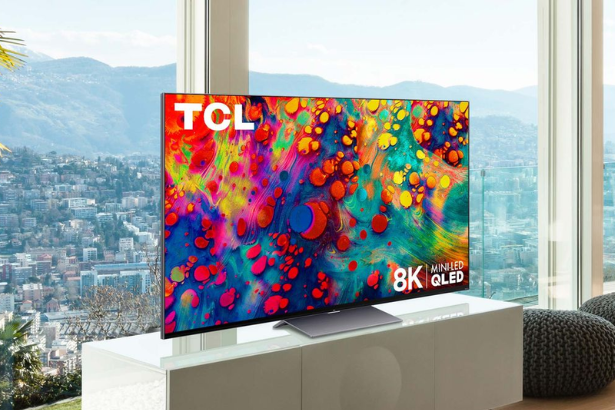
The Roku TCL bricked TV lawsuit 2026 was filed in the US District Court for the Central District of California, Case No. 8:26-cv-00748, by lead plaintiff Terri Else and the law firm Schonbrun Seplow Harris Hoffman and Zeldes LLP. The suit names Roku Inc. and TTE Technology, operating as TCL North America, and alleges that both companies knowingly sold TVs with software defects, then pushed firmware updates that rendered them completely inoperable. Affected consumers describe their TVs freezing, entering endless boot loops, going entirely black, or simply never turning on again after an automatic Roku OS update. The lawsuit targets specific Roku and TCL models sold from December 16, 2024 to the present. Roku said the claims are “meritless.” TCL declined to comment. The lawsuit is in its initial stages.
Background and Context
The Roku TCL bricked TV lawsuit 2026 reflects a specific and well-documented vulnerability in the smart TV market: budget devices that depend on a shared OS platform for all functionality are entirely at the mercy of software update quality.
Roku’s operating system runs on millions of affordable TVs. TCL is one of Roku’s largest hardware partners, manufacturing a significant share of the Roku-branded TV market. The partnership makes excellent economic sense for both companies. Roku captures platform revenue and advertising from TCL’s massive installed base. TCL captures competitive smart TV pricing by using Roku’s established OS rather than developing its own.
The complaint in this case argues that the economics of that partnership created a quality-testing failure. Plaintiff Terri Else argues the software defects are the result of a platform that “cuts corners” and fails to ensure that software updates are free of defects both in testing stages and at scale.
Roku has previously marketed its TVs as devices that “keep getting better over time thanks to automatic software updates.” The lawsuit argues that marketing language creates an express warranty that Roku has violated when its updates instead make TVs worse or unusable.
Why the Roku TCL Bricked TV Lawsuit 2026 Is Spreading Rapidly
Latest Update
The lawsuit was filed approximately one week ago and coverage intensified significantly over the past 48 hours as more affected consumers came forward.
Full coverage from the story:
- Roku and TCL Accused of Bricking Smart TVs Through Software Updates — ExtremeTech
- Roku and TCL Are Being Sued for Allegedly Bricking Smart TVs With Bad Updates — Android Authority
- TCL and Roku Sued for Allegedly Bricking TVs With Updates — Android Police
Key confirmed details from the lawsuit filing:
- The lawsuit is titled Else v. Roku, Inc., et al., Case No. 8:26-cv-00748, in the US District Court for the Central District of California. It was filed by law firm Schonbrun Seplow Harris Hoffman and Zeldes LLP on behalf of lead plaintiff Terri Else.
- Else seeks to represent a nationwide class and a California subclass of consumers who purchased qualifying Roku TV products manufactured by Roku or TCL, specifically including Roku Select Series, Roku Plus Series, and TCL 3-Series, 4-Series, 5-Series, and 6-Series models with Roku OS, from December 16, 2024 to the present.
- The complaint accuses both companies of violating California’s Unfair Competition Law and Consumers Legal Remedies Act, arguing the companies knew or should have known about the software flaws based on a steady stream of consumer complaints yet continued to sell the products without proper warnings or fixes.
- The lawsuit demands declaratory and injunctive relief to force the defendants to address the defects, plus monetary compensation including actual damages, statutory damages, and restitution for the full purchase price of affected TVs. A jury trial has been requested.
- A Roku spokesperson told Tom’s Guide: “We believe the claims are meritless.” TCL declined to comment.
The Five Critical Facts Every Roku and TCL Owner Must Know
Fact 1: These exact TV models are named in the lawsuit. The complaint specifically names the Roku Select Series, Roku Plus Series, and TCL 3-Series, 4-Series, 5-Series, and 6-Series models running Roku OS. All of these are budget-to-mid-range TVs sold primarily through major US retailers. If you own any of these models and purchased on or after December 16, 2024, you are in the proposed class period. Check your model number on the back of the TV or in the Settings menu.
Fact 2: The failure symptoms are consistent and well-documented. Consumer complaints on the Roku and TCL subreddits match the lawsuit allegations going back at least two years. The documented failure patterns include: TVs going entirely black with audio still playing, endless boot loops where the TV restarts repeatedly without loading, complete failure to power on after an update, and severe performance degradation including constant Wi-Fi disconnection and app freezing. If you have experienced any of these symptoms after a firmware update, your experience is directly relevant to the lawsuit.
Fact 3: The lawsuit claims Roku and TCL knew and did nothing. This is the most serious allegation in the filing. The complaint does not simply argue negligent quality testing. It argues the companies knowingly sold TVs with software defects and continued marketing them as reliable while receiving a steady stream of consumer complaints. The legal framing as a consumer fraud and unfair business practice claim, not just a product liability claim, reflects the plaintiff’s intent to argue this was not an honest mistake.
Fact 4: Roku’s own marketing is being used against it. Roku has marketed its TV platform with the promise that automatic software updates make the experience better over time. The lawsuit turns that marketing language into an express warranty claim. If the update made your TV worse or destroyed it, Roku violated the promise it made in its product marketing. That framing is legally significant because express warranty claims are easier to prove than implied warranty claims.
Fact 5: The lawsuit is in early stages but has significant precedent. The case was filed in the Central District of California, one of the country’s most active consumer class action jurisdictions. The law firm representing the plaintiff has a track record in consumer product class actions. Roku said the claims are meritless, which is standard legal posture at this stage. Actual litigation, discovery, and any settlement or trial are months or years away. Consumers who believe they are affected should monitor the case at the court’s PACER system.
What Affected Owners Can Do Right Now
For consumers whose Roku or TCL TV has been bricked or degraded by a firmware update, the practical steps are as follows.
First, document the problem. If your TV is currently in a boot loop, black screen state, or failing to power on, record a video of the symptoms and photograph any error messages. This documentation will be relevant if you choose to join the class action or seek an individual refund.
Second, attempt a factory reset only if the TV can reach settings. On Roku TVs, the factory reset option is typically accessible through Settings, then System, then Advanced system settings, then Factory reset. If your TV cannot reach the Settings menu, a hardware reset may be attempted using the physical reset button on the device. Neither Roku nor TCL has issued an official remedy for the firmware-related failures described in the lawsuit.
Third, monitor Top Class Actions at topclassactions.com for updates on Else v. Roku, Inc., et al. If the case advances to a certified class action and settlement process, affected consumers will have the opportunity to submit claims for compensation.
Broader Implications
The Roku TCL bricked TV lawsuit 2026 raises a structural issue in the smart TV market that extends beyond these specific companies.
Smart TVs are no longer passive display devices. They are networked computers running complex operating systems that receive automatic updates without the consumer’s active consent. The forced update model, which serves platform operators by allowing them to push changes, advertising updates, and feature modifications to millions of installed devices simultaneously, places all of the risk from update failures on the consumer.
When a PC receives a bad Windows update, Microsoft’s remediation options are extensive: recovery modes, rollback tools, Microsoft Support, and community technical solutions are all available. When a budget smart TV receives a bad Roku OS update, the remediation path is far more limited, and the consumer has no ability to decline or rollback the update.
The lawsuit argues that Roku and TCL’s express and implied warranties were violated by this failure. More broadly, it raises the question of whether automatic forced updates on consumer devices require a higher duty of care from platform operators than the current market standard delivers.
For deeper coverage of consumer tech lawsuits, smart TV platform accountability, and the legal issues shaping how companies can push software updates to consumer devices, The Tech Marketer covers the technology and consumer rights stories that matter to households making everyday tech decisions.
Related History and Comparable Cases
Software updates bricking consumer devices is a documented and recurring problem across the consumer electronics industry. Apple faced legal challenges after iOS updates were alleged to deliberately slow older iPhones, eventually settling a class action for $500 million. Samsung has faced multiple international complaints about Galaxy device updates degrading performance or causing failures.
The Roku and TCL situation shares the structural features of those cases: a platform operator pushing updates to millions of installed devices, a pattern of consumer complaints, and marketing language that created reliability expectations the updates then failed to meet.
The specific allegation in this case, that the companies knew about defects and continued selling without disclosure, most closely resembles the successful Samsung battery defect case and the Apple iPhone slowdown settlement in terms of the legal theory employed.
What Happens Next
The lawsuit is in its initial filing stage. Roku has characterized the claims as meritless, and TCL has declined to comment. The next phases of litigation will include Roku and TCL filing their responses to the complaint, discovery proceedings, and a class certification motion where the plaintiff must demonstrate that the proposed class of affected consumers meets the legal requirements for a class action.
If the class is certified, affected consumers nationwide who purchased qualifying Roku and TCL models from December 16, 2024 forward will be automatically included unless they opt out. If a settlement is reached, an administrator will notify eligible consumers by email and mail and provide a claims process.
The jury trial demand means both sides may also be heading toward a full evidentiary hearing if settlement talks fail. Given Roku’s public statement characterizing the claims as meritless, the company is not signaling an immediate willingness to settle. That posture could change as discovery produces documentation of internal testing records and consumer complaint responses.
Conclusion
The Roku TCL bricked TV lawsuit 2026 is the consumer electronics class action that millions of budget TV owners have been waiting for. The Roku Select and Plus Series and TCL 3 through 6 Series models are popular, affordable, and now the subject of a federal complaint alleging they were knowingly sold with software defects that automated updates then triggered into full failure.
If your Roku or TCL TV has gone black, entered a boot loop, or stopped turning on after a firmware update, your experience is directly relevant to this case. Document the problem, check your model number, and monitor the case as it progresses through the Central District of California.
FAQ
1. Which TV models are included in the Roku TCL bricked TV lawsuit 2026? The lawsuit covers the Roku Select Series, Roku Plus Series, and TCL 3-Series, 4-Series, 5-Series, and 6-Series models running Roku OS. All qualifying TVs must have been purchased on or after December 16, 2024 to fall within the proposed class period. These are budget-to-mid-range smart TVs sold nationwide at major retailers.
2. What does the Roku TCL bricked TV lawsuit claim happened to affected TVs? The complaint alleges that firmware updates pushed by Roku caused smart TVs to freeze, enter endless boot loops, go completely black, fail to turn on, or experience severe performance degradation including Wi-Fi disconnection and app failures. The lawsuit argues this constitutes a breach of express and implied warranties and violates California’s Unfair Competition Law and Consumers Legal Remedies Act.
3. How do I know if my TV is part of the Roku TCL bricked TV lawsuit 2026 class? If you purchased a Roku Select Series, Roku Plus Series, or a TCL 3-Series, 4-Series, 5-Series, or 6-Series TV with Roku OS on or after December 16, 2024, and your TV has experienced bricking, black screens, boot loops, or severe performance degradation after a firmware update, you may be a member of the proposed class. Monitor topclassactions.com for updates and any claim filing opportunity.
4. What has Roku said about the class action lawsuit? A Roku spokesperson told Tom’s Guide: “We believe the claims are meritless.” TCL has declined to comment publicly. These responses are standard legal posture at the initial complaint filing stage and do not necessarily reflect the companies’ ultimate position as litigation proceeds through discovery and class certification.
5. What compensation is the Roku TCL bricked TV lawsuit seeking? The lawsuit seeks declaratory and injunctive relief to force the defendants to address the software defects, along with monetary compensation including actual damages, statutory damages, and restitution of the full purchase price of affected TVs. A jury trial has been requested, meaning the case may proceed to a full evidentiary hearing if it does not settle.
Sources & References
- Roku and TCL Accused of Bricking Smart TVs Through Software Updates — ExtremeTech
- Roku and TCL Are Being Sued for Allegedly Bricking Smart TVs With Bad Updates — Android Authority
- TCL and Roku Sued for Allegedly Bricking TVs With Updates — Android Police
- Roku, TCL Face Class Action Over Software Updates That Allegedly Brick Smart TVs — Top Class Actions
- Roku and TCL Hit With Class Action Lawsuit Over Defective Roku TV Software Updates — Cord Cutters News
- Roku and TCL Accused of Bricking TVs With Poor Software Updates — Tom’s Guide