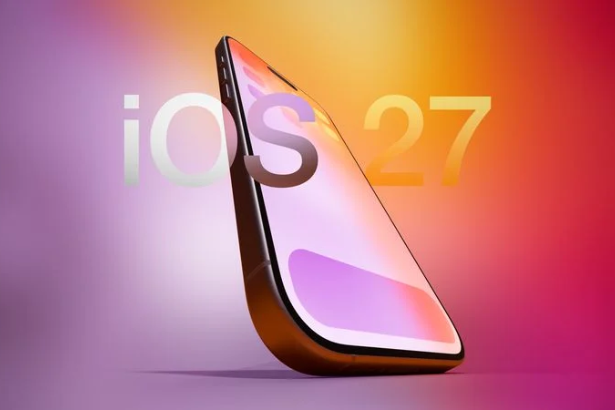
New leaks suggest Apple is preparing major wearable and health-tracking changes as competition intensifies across the smartwatch market.
The latest iPhone rumors are increasingly centered around Apple’s broader wearable ecosystem rather than the iPhone itself. New reports tied to iOS 27 and watchOS 27 suggest the company is preparing significant upgrades to health tracking, AI-powered wellness features, and Apple Watch software as pressure grows from rivals like Whoop, Oura, and Google Fitbit.
Fresh reporting from Bloomberg, PCMag, and MacRumors pushed search interest sharply higher this week after multiple leaks hinted that Apple may be rethinking its wearable strategy ahead of its next major software cycle.
While Apple has not officially confirmed the rumored features, the reports collectively paint a picture of a company attempting to reboot momentum in one of its most important product categories.
Background and Context
Apple transformed the smartwatch industry when it launched the Apple Watch in 2015.
Over the past decade, the device evolved from a notification companion into a health-focused wearable capable of:
- ECG monitoring
- Blood oxygen tracking
- Sleep analysis
- Fitness coaching
- Fall detection
- Emergency alerts
But the competitive landscape has shifted dramatically.
Companies like Whoop and Oura Health now focus heavily on recovery metrics, readiness scoring, and continuous wellness tracking. Meanwhile, Google continues expanding the Fitbit ecosystem after its acquisition of Fitbit.
That growing pressure appears to be influencing Apple’s roadmap heading into iOS 27 and watchOS 27.
Latest iPhone Rumors Point to Major Health and AI Changes
According to a recent Bloomberg report, Apple’s wearable strategy may need a significant reset as competitors gain traction with more advanced fitness insights and health-focused subscription ecosystems. Bloomberg Apple Wearables Report
The report suggests Apple is exploring deeper AI integration across its wearable lineup, potentially tying health data more closely into future versions of iOS and AirPods functionality.
At the same time, PCMag reported new watchOS 27 rumors involving improved heart-rate tracking capabilities and expanded health intelligence features. However, some advanced AI health tools may reportedly face delays as Apple continues refining reliability and privacy concerns. PCMag watchOS 27 Leak Coverage
MacRumors also outlined several possible watchOS 27 additions expected to focus on smarter health monitoring and expanded fitness functionality. MacRumors watchOS 27 Features Report
Together, the reports suggest Apple’s next software cycle may prioritize health intelligence more aggressively than flashy hardware redesigns.
Why Apple’s Wearable Strategy Matters So Much
The latest iPhone rumors reflect something larger happening inside Apple’s business model.
Wearables have quietly become one of Apple’s most important growth segments.
Products like:
- Apple Watch
- AirPods
- Vision Pro
- Health subscriptions
- Fitness services
now form a broader ecosystem strategy that keeps users deeply connected to Apple platforms.
Health technology is particularly important because it creates long-term recurring engagement rather than one-time hardware purchases.
That explains why Apple continues investing heavily in:
- AI-powered health analysis
- Continuous biometric monitoring
- Wellness coaching
- Medical-grade sensor development
- Personalized fitness recommendations
Executives reportedly view health as one of Apple’s biggest long-term opportunities beyond smartphones.
AI Health Features Could Become Apple’s Next Big Platform
Artificial intelligence is rapidly becoming the center of nearly every major tech product category, and Apple appears determined not to fall behind rivals.
The latest iPhone rumors suggest future Apple health systems could eventually provide:
- Personalized wellness recommendations
- Predictive health alerts
- Recovery analysis
- Sleep optimization insights
- AI fitness coaching
- Real-time biometric interpretation
Unlike competitors, however, Apple faces unusually high scrutiny regarding privacy and medical reliability.
That may explain reports suggesting some AI health features could launch later than expected.
Apple historically delays features rather than releasing tools that feel incomplete or potentially inaccurate.
Broader Implications for the Wearables Market
The wearable industry is entering a new phase where hardware innovation alone may no longer be enough.
Future competition increasingly revolves around:
- AI interpretation
- Health ecosystems
- Subscription services
- Personalized insights
- Long-term wellness analytics
That shift could benefit companies capable of combining sensors, software, machine learning, and healthcare partnerships into unified platforms.
Apple remains uniquely positioned because of its massive installed user base and integration across devices.
Still, rivals continue moving quickly.
Whoop and Oura have gained strong traction among athletes and health-focused consumers, while Google is aggressively combining AI capabilities with Fitbit’s health infrastructure.
Readers tracking emerging AI and consumer technology trends can explore additional Apple and wearable coverage at The Tech Marketer.
Risks and Challenges Facing Apple
Despite Apple’s dominance, several challenges remain.
AI Reliability
Health recommendations powered by AI require extremely high accuracy standards.
False positives or inaccurate health predictions could create regulatory and legal concerns.
Slowing Hardware Upgrades
Many consumers now hold onto Apple Watches longer because annual hardware changes feel incremental rather than revolutionary.
Regulatory Scrutiny
Health technology products face growing oversight globally, especially when companies begin positioning devices as medical-grade tools.
Competition
Rivals increasingly specialize in wellness metrics Apple currently handles less aggressively, including readiness scores, recovery tracking, and performance optimization.
What Happens Next
Attention now shifts toward Apple’s next developer events and software previews.
Industry watchers expect more information around:
- iOS 27
- watchOS 27
- AI-powered health systems
- Future AirPods health integration
- Expanded biometric tracking
If Apple successfully combines AI with privacy-focused health monitoring, the company could redefine wearable technology once again.
But if delays continue while competitors advance faster, Apple may face growing pressure in a category it once dominated almost uncontested.
Conclusion
The latest iPhone rumors suggest Apple’s next major battleground may not be the iPhone itself, but the broader future of AI-powered health and wearable computing.
Leaks tied to watchOS 27 and iOS 27 point toward deeper biometric intelligence, improved health tracking, and smarter wellness features designed to keep Apple competitive against rapidly evolving rivals.
Whether those features arrive on schedule remains unclear.
What is increasingly obvious, however, is that Apple sees health technology as one of its most important long-term growth opportunities beyond smartphones.
FAQ
What are the latest iPhone rumors about?
The latest iPhone rumors focus heavily on Apple Watch upgrades, AI health features, and watchOS 27 improvements rather than only new iPhone hardware.
What new features could watchOS 27 include?
Rumored features include better heart-rate tracking, smarter wellness insights, AI-powered health recommendations, and expanded fitness analytics.
Is Apple delaying AI health features?
Reports suggest some advanced AI health tools could be delayed while Apple improves reliability and privacy protections.
Why is Apple focusing more on wearables?
Wearables and health technology have become major growth areas for Apple beyond traditional smartphone sales.
Who competes with Apple in health wearables?
Key competitors include Whoop, Oura, Google Fitbit, Garmin, and Samsung.