Introduction
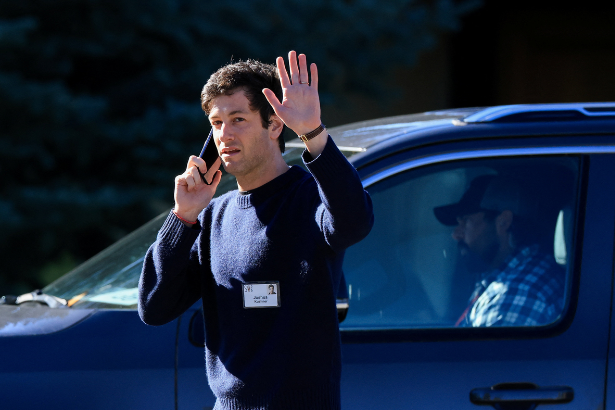
The Josh Kushner Lakers deal is rewriting the economics of professional sports.
Josh Kushner, the venture capitalist behind Thrive Capital, and former Disney CEO Bob Iger are buying the Los Angeles Lakers for $12.5 billion, according to ESPN, Reuters and other reports. If completed, the transaction would become the most expensive sale of a North American professional sports franchise.
The deal is striking for more than its enormous price tag. It puts a technology investor with deep ties to the startup world alongside one of the most influential media executives of the past two decades at the helm of the NBA’s most recognizable franchises.
It also arrives barely more than a year after Mark Walter acquired controlling interest in the Lakers from the Buss family for a valuation of about $10 billion. Reuters reports that the new transaction remains subject to NBA approval and due diligence.
For the technology industry, the story is bigger than basketball. The Lakers deal is another sign that the boundaries between technology, entertainment, media, venture capital and sports ownership are rapidly disappearing.
Background and Context
The Lakers have been one of professional sports’ most valuable cultural properties for decades.
Jerry Buss purchased the franchise in 1979 for $67.5 million and built an ownership era that became closely associated with Showtime, Hollywood and the NBA’s transformation into a global entertainment business. The Ringer notes that the Lakers reached the NBA Finals 16 times during Buss’s 33 years as owner.
That history makes the speed of the latest ownership transition especially remarkable.
Mark Walter took majority control from the Buss family in 2025 at a valuation of approximately $10 billion. Now, just over a year later, the franchise is reportedly changing hands again for $12.5 billion. The Ringer describes the transaction as the largest sale of a North American professional sports team in history.
For Kushner, the purchase represents a significant expansion beyond traditional venture capital.
He founded Thrive Capital, an investment firm known for backing major technology companies. Thrive has become particularly prominent through investments in high-growth technology businesses, including OpenAI.
That makes the Lakers purchase an unusual meeting point between Silicon Valley-style investing and the traditional economics of professional sports.
Iger brings a different but complementary skill set. As Disney’s former CEO, he spent years managing one of the world’s most powerful entertainment companies and played a major role in the evolution of ESPN and Disney’s broader sports strategy.
Together, Kushner and Iger bring venture capital, technology, media and entertainment experience into the ownership structure of one of the world’s most valuable sports brands.
Latest Update: Josh Kushner and Bob Iger Agree to $12.5 Billion Lakers Purchase
The central news is straightforward: Josh Kushner and Bob Iger are buying the Los Angeles Lakers for $12.5 billion.
Read ESPN’s original report on the Lakers sale
Reuters independently reported the same $12.5 billion figure and said the agreement is still pending approval by the NBA’s board of governors as well as due diligence by Kushner’s investment group.
Read Reuters’ report on the transaction
The deal is also notable because Kushner and Iger had reportedly been involved in efforts surrounding a potential NBA expansion franchise in Las Vegas. Instead of waiting for expansion, they pivoted toward an opportunity to acquire the Lakers.
That is a very different proposition.
An expansion team would require building a new franchise identity and commercial ecosystem. The Lakers already have one of the strongest brands in global sports, an enormous fan base, a historic arena and decades of commercial relationships.
The premium reflects that scarcity.
The Ringer reports that the deal was negotiated with extraordinary speed, describing a process that reportedly took roughly 72 hours.
That speed is one of the most surprising aspects of the transaction. Buying a franchise worth $12.5 billion is not normally the sort of decision associated with a weekend negotiation.
Why the Josh Kushner Lakers Deal Matters to Technology
At first glance, this is a sports acquisition.
Look closer, and it is a technology story.
Kushner’s career has been built around identifying technology companies with the potential to become major platforms. Thrive Capital’s investment portfolio has connected him to some of the most important technology businesses of the current era.
Owning a global sports franchise offers a completely different type of platform.
The Lakers generate value not only from ticket sales and television rights, but from media, sponsorships, licensing, merchandise, digital engagement, international audiences and intellectual property.
That is increasingly similar to how technology investors think about platform businesses.
The most valuable sports franchises are no longer simply teams that play games. They are global media properties with physical venues, digital audiences and enormous amounts of consumer data.
That makes sports ownership increasingly attractive to investors who understand technology and media.
Expert Insights and Analysis
The most important question is not whether $12.5 billion is a lot of money.
It obviously is.
The more interesting question is why investors are willing to pay that much for sports franchises.
Scarcity is one answer.
There are only 30 NBA teams. A small number of those franchises have the Lakers’ combination of history, global recognition, market size and commercial reach.
Technology companies can create new competitors. Sports leagues cannot easily create another Lakers.
That scarcity creates pricing power.
Another factor is the growing value of sports media.
Live sports remain among the few categories of television and streaming content capable of attracting large audiences at predictable times. The NBA’s massive new broadcasting arrangements further demonstrate how valuable premium sports rights have become.
Iger’s background is particularly relevant here.
He understands that sports can function as both entertainment and media infrastructure. The Ringer notes that Iger is now part of the ownership group of the NBA’s most valuable basketball team while the league is entering a new era of enormous media rights agreements.
Kushner brings a different perspective.
His venture capital background is built around growth, technology adoption and long-term platform value. The Lakers offer an asset with an unusually powerful global brand and multiple opportunities to expand its digital business.
The combination is strategically interesting even before considering what happens on the basketball court.
The Bigger Technology Opportunity Inside the Lakers
The next phase of sports ownership could involve far more than buying teams and collecting media revenue.
Technology could influence nearly every part of the Lakers business.
AI and Basketball Operations
Artificial intelligence could increasingly support scouting, player development, injury prevention and game analysis.
Teams already use sophisticated analytics systems. More advanced AI could combine video, biometric information and historical performance data to identify patterns that traditional scouting misses.
Personalized Fan Experiences
The Lakers have millions of fans around the world.
AI-powered personalization could allow the franchise to tailor content, merchandise, ticket offers and digital experiences to individual fans.
A supporter in Los Angeles could receive a completely different digital experience from a Lakers fan in Tokyo or London.
Digital Memberships
Sports teams are increasingly experimenting with digital memberships and direct-to-consumer products.
The Lakers brand could support premium digital communities, exclusive content, virtual experiences and technology-enabled fan clubs.
Data and Commercial Intelligence
The most valuable asset in modern sports may increasingly be the relationship between the franchise and its audience.
Technology can help teams understand when fans engage, what content they consume and which products they are most likely to purchase.
That creates a feedback loop between sports, entertainment and commerce.
For a technology investor, that kind of ecosystem can be extremely attractive.
Broader Implications
The Rise of Tech-Backed Sports Ownership
The Josh Kushner Lakers transaction fits into a much larger trend.
Sports ownership is increasingly attracting billionaires, private equity investors, technology executives and media companies.
The Ringer points to a sharp increase in NBA ownership changes, arguing that the traditional model of family-controlled teams is rapidly disappearing.
That shift could change how franchises are operated.
Technology investors often think in terms of scale, optimization and platform expansion. Traditional sports ownership has historically placed greater emphasis on family legacy and long-term institutional identity.
The new generation of owners may combine both approaches.
What It Means for the NBA
The NBA benefits when its franchises become more valuable.
A $12.5 billion Lakers sale establishes a powerful benchmark for the rest of the league.
If the transaction is approved, other owners will have another reference point when calculating the value of their own teams.
That could push franchise valuations even higher.
It could also make entry into the NBA increasingly difficult for individual buyers who do not have access to enormous pools of capital.
What It Means for Fans
Fans are likely to care about one thing above everything else: whether the team wins.
Ownership changes do not automatically translate into better basketball.
The new owners will eventually be judged on roster construction, player development, coaching decisions and championship ambitions.
But the financial resources behind the organization could influence all of those areas.
The Lakers are already one of the world’s most valuable sports brands. The challenge for Kushner and Iger will be turning that commercial strength into sustained basketball success.
Internal Link Opportunity
For The Tech Marketer, this story also creates an opportunity to connect sports ownership with the broader technology economy through an internal article on venture capital, AI infrastructure and billionaire technology investors.
Suggested internal link: The Tech Marketer’s Technology Business and Markets coverage.
Related History and Comparable Technologies
The Lakers are not the first major sports franchise to attract investors from the technology and media worlds.
The broader trend can be seen across American professional sports, where owners increasingly come from technology, private equity, finance and entertainment.
The difference with the Lakers is the scale.
The reported $12.5 billion price is not simply a new record for a basketball franchise. It demonstrates how valuable a globally recognized sports brand can become when combined with premium media rights, scarce league membership and a massive consumer audience.
The transaction also resembles the evolution of technology platforms.
Early internet companies were valued primarily on current revenue. Later, investors began valuing platforms according to network effects, user growth and future monetization.
The most valuable sports franchises have a similar dynamic.
Their value is not limited to what they earn today. It reflects what the brand could generate across decades of media, sponsorship, technology and global expansion.
What Happens Next
The deal is not yet completely finished.
Reuters reports that the transaction still requires NBA board approval and due diligence.
Assuming those steps are completed, attention will turn toward how the new ownership group divides responsibilities.
Jeanie Buss is also expected to remain involved as Lakers governor under the arrangement established when Walter acquired control of the team. Reuters and other reporting indicate that the new ownership group intends to respect the existing structure.
The bigger question is what Kushner and Iger ultimately want the Lakers to become.
Do they simply operate the franchise as a premium sports property?
Or do they build something much broader?
That could mean expanding digital products, developing international markets, investing in sports technology, building new media businesses or using AI to transform how the franchise interacts with fans.
The Lakers have enough brand power to experiment.
And their new owners have enough technology and media experience to make those experiments particularly interesting.
Conclusion
The Josh Kushner Lakers deal is much more than another billionaire buying a sports team.
At $12.5 billion, it represents a new benchmark for the value of elite sports franchises and another major example of technology wealth moving into traditional entertainment.
Kushner brings venture capital and technology experience. Iger brings decades of media and entertainment leadership. The Lakers bring one of the strongest sports brands on the planet.
That combination could create something far more ambitious than a conventional ownership group.
For the NBA, the deal reinforces how valuable its best franchises have become. For technology investors, it demonstrates that sports can function as another kind of global platform. And for Lakers fans, the only question that will ultimately matter is whether all that money and expertise can produce another championship era.
The basketball will decide that.
The business story has already changed.
FAQ
Who is buying the Lakers?
Josh Kushner, founder and managing partner of Thrive Capital, and former Disney CEO Bob Iger are reportedly buying the Los Angeles Lakers for $12.5 billion.
How much are Josh Kushner and Bob Iger paying for the Lakers?
The reported purchase price is $12.5 billion, which would make it the most expensive sale of a North American professional sports team.
Why is the Josh Kushner Lakers deal important to technology?
Kushner is a major venture capitalist whose investment career is closely connected to technology. His ownership of the Lakers could create opportunities at the intersection of sports, AI, digital media, data and entertainment.
Is the Lakers sale complete?
Not yet. Reuters reports that the transaction is subject to NBA board approval and due diligence.
Who owned the Lakers before Josh Kushner and Bob Iger?
Mark Walter acquired controlling interest in the Lakers from the Buss family in 2025 at a valuation of approximately $10 billion. He is now reportedly selling the franchise to the Kushner-Iger group for $12.5 billion.
Will Jeanie Buss remain involved with the Lakers?
Reporting indicates that Jeanie Buss is expected to remain as Lakers governor under the arrangement established during the previous ownership transition.
Why are sports teams becoming so expensive?
Elite sports franchises are scarce assets with valuable media rights, global audiences, sponsorship opportunities and long-term brand potential. The combination has pushed valuations dramatically higher.
Could Josh Kushner bring more technology into the Lakers?
That is possible, but no specific technology strategy has been announced in the sources reviewed. His venture capital background makes areas such as AI, digital products and data-driven fan experiences natural possibilities, but those remain potential opportunities rather than confirmed plans.
SOURCES & REFERENCES
- ESPN, “Sources: Josh Kushner, Bob Iger to buy Lakers for $12.5B”
Read the ESPN report - Reuters, “Iger, Kushner purchasing Lakers for record $12.5 billion”
Read the Reuters report - The Ringer, “What the Lakers’ Sale Means for the Future of NBA Ownership”
Read The Ringer analysis - Yahoo Sports, coverage of the Josh Kushner and Bob Iger Lakers purchase
Read Yahoo Sports coverage