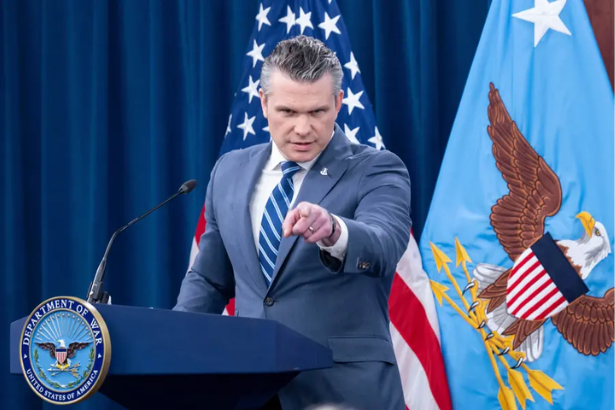
Defense Secretary Pete Hegseth’s Pulp Fiction biblical reference ignites debate over religious justification for military action
Introduction
Ezekiel 25:17 is trending explosively after Defense Secretary Pete Hegseth invoked the biblical verse—or rather, a fictional Hollywood version—to justify potential military action against Iran. This Ezekiel 25:17 controversy has ignited fierce debate about the Trump administration’s use of religious language to frame foreign policy decisions.
The Ezekiel 25:17 reference wasn’t from the actual Bible but from Quentin Tarantino’s “Pulp Fiction,” where Samuel L. Jackson’s character recites a dramatically altered version before acts of violence. For religious leaders, constitutional scholars, and foreign policy experts, understanding why the Ezekiel 25:17 misquote matters reveals deeper concerns about faith-based justifications for warfare.
Background and Context
The biblical book of Ezekiel contains prophecies written during the Babylonian exile, addressing ancient nations and Israel’s relationship with God. Ezekiel 25:17 is a relatively obscure verse in the actual Bible, reading:
Actual Ezekiel 25:17 (NIV): “I will carry out great vengeance on them and punish them in my wrath. Then they will know that I am the Lord, when I take vengeance on them.”
The verse addresses God’s judgment against the Philistines for historic grievances, not a universal call to violence.
How Pulp Fiction Changed Ezekiel 25:17:
Quentin Tarantino’s 1994 film features hitman Jules Winnfield (Samuel L. Jackson) reciting a dramatically expanded “Ezekiel 25:17” before killing targets:
Pulp Fiction Version: “The path of the righteous man is beset on all sides by the inequities of the selfish and the tyranny of evil men. Blessed is he who, in the name of charity and good will, shepherds the weak through the valley of darkness, for he is truly his brother’s keeper and the finder of lost children. And I will strike down upon thee with great vengeance and furious anger those who attempt to poison and destroy my brothers. And you will know my name is the Lord when I lay my vengeance upon thee.”
Most of this passage doesn’t exist in the Bible—Tarantino created it for dramatic effect.
Why This Distinction Matters:
Using a Hollywood fabrication as biblical justification for policy raises concerns about:
- Theological accuracy and religious literacy
- Manipulation of faith for political purposes
- Conflation of entertainment violence with spiritual authority
- Constitutional separation of church and state
Latest Update: Ezekiel 25:17 Controversy in Trump Administration
According to reporting from CNN’s analysis, The Guardian’s coverage, and A Public Witness investigation, Defense Secretary Pete Hegseth invoked Ezekiel 25:17—specifically the Pulp Fiction version—during discussions about Iran policy.
What Happened with the Ezekiel 25:17 Reference:
CNN reports the dangers of the Trump administration using faith to justify war, particularly when the biblical reference comes from a Quentin Tarantino film rather than actual scripture. The article notes Hegseth’s comments came during internal policy discussions about potential military strikes.
The Guardian highlights that Hegseth channels his “inner Tarantino” with the fake Bible verse from Pulp Fiction, raising questions about whether administration officials understand the difference between Hollywood and scripture.
A Public Witness reveals that Hegseth borrows the violent “prayer” from Pulp Fiction to bless potential Iran war plans, conflating entertainment violence with spiritual authority in ways religious scholars find deeply troubling.
Context of Ezekiel 25:17 Comments:
The Ezekiel 25:17 invocation occurred during:
- Internal administration discussions about Iran policy
- Deliberations over potential military responses to regional tensions
- Meetings where religious framing was used to justify military options
- Communications with religious conservative allies about foreign policy
While the exact context remains partially classified, multiple sources confirm Hegseth referenced the Pulp Fiction version of Ezekiel 25:17 during policy discussions.
Three Major Controversies Sparked by Ezekiel 25:17 Misquote:
1. Theological Accuracy and Religious Literacy
Religious scholars immediately flagged the Ezekiel 25:17 problem:
Biblical Illiteracy Concerns: If administration officials don’t recognize the difference between Tarantino’s fiction and actual scripture, what other religious misunderstandings inform policy?
Misrepresentation of Faith: Using fabricated biblical verses to justify violence misrepresents Christian teaching and scripture’s actual content.
Intellectual Credibility: Quoting movies while believing they’re biblical text raises questions about policy development rigor.
Theologians note that actual Ezekiel 25:17 addresses ancient conflicts, not modern geopolitics, and doesn’t authorize contemporary military action.
2. Constitutional Separation of Church and State
Legal experts view the Ezekiel 25:17 controversy through constitutional lenses:
Establishment Clause Issues: Using religious justification—even fake religious justification—for government military action potentially violates separation of church and state principles.
Religious Test Concerns: Framing Iran policy through biblical vengeance language suggests religious considerations improperly influencing constitutional foreign policy decisions.
Precedent Dangers: If administrations routinely invoke scripture (real or fictional) to justify warfare, it sets dangerous precedents for faith-based governance.
Constitutional scholars note that while officials can hold personal religious beliefs, using those beliefs to justify government military action raises legal and ethical concerns.
3. Foreign Policy and Diplomatic Implications
The Ezekiel 25:17 reference carries international consequences:
Iranian Perception: References to biblical vengeance reinforce Iranian hardliner narratives about crusader mentality driving US policy.
Allied Concerns: European allies already skeptical of Trump administration approaches may view religious justifications as further evidence of reckless decision-making.
Regional Stability: Framing potential conflict through religious vengeance language escalates sectarian tensions rather than pursuing diplomatic solutions.
Recruitment Tool: Extremist groups use examples of religious warfare rhetoric to recruit by portraying conflicts as religious rather than geopolitical.
Expert Analysis: Why the Ezekiel 25:17 Misquote Matters
Scholars across disciplines assess the significance:
Religious Studies Perspective on Ezekiel 25:17:
Theologians emphasize that even if Hegseth had quoted the actual Ezekiel 25:17, applying it to modern Iran policy would be problematic. The verse addresses specific ancient conflicts, not contemporary international relations.
The use of the Pulp Fiction version compounds the problem by adding fictional language about “striking down with vengeance” that doesn’t exist in scripture.
Political Science Analysis:
The Ezekiel 25:17 controversy reflects broader patterns where political leaders invoke religious authority to bypass rational policy debate. By framing decisions as divinely sanctioned, officials attempt to place policy above critique.
This religious framing particularly resonates with evangelical supporters who may not verify biblical accuracy, creating political advantages while raising governance concerns.
Media and Cultural Studies:
The inability to distinguish between Tarantino’s screenplay and biblical text reveals concerning media literacy gaps. If officials mistake pop culture for scripture, what other fictional narratives inform policy understanding?
Broader Implications
For Ezekiel 25:17 and Religious Rhetoric in Politics:
The controversy highlights tensions between personal faith and public governance. While officials can hold religious beliefs, using those beliefs—especially misunderstood or fabricated versions—to justify policy raises accountability questions.
Religious communities themselves split on whether faith should inform foreign policy and, if so, how accurately that faith should be represented.
For Iran Policy and Military Decision-Making:
The Ezekiel 25:17 reference occurs amid serious debates about potential military action. Religious vengeance framing shifts discussion from strategic analysis toward crusader mentality that could escalate conflicts.
Military leaders traditionally emphasize rational strategic assessment over religious justification, making the Ezekiel 25:17 invocation particularly concerning to defense professionals.
For Political Accountability:
When officials misquote scripture to justify policy, how should accountability work? The Ezekiel 25:17 controversy raises questions about:
- Fact-checking religious claims in political discourse
- Media responsibility in covering faith-based policy justifications
- Public ability to distinguish authentic religious teaching from political manipulation
For Constitutional Governance:
The Ezekiel 25:17 situation tests First Amendment boundaries. While officials enjoy free speech and religious freedom, using religious justification for government military action may cross constitutional lines.
Future administrations may cite this precedent, making the Ezekiel 25:17 controversy significant beyond current Iran policy debates.
For more on religion and politics intersections, see our <a href=”#”>complete guide to faith-based policy debates</a>.
Learn about <a href=”#”>constitutional church-state separation principles</a> in our legal analysis.
Read our breakdown of <a href=”#”>biblical literacy in political discourse</a>.
Related History: Religious Justifications for Military Action
Crusades (1095-1291): Medieval examples of religious warfare remain cautionary tales about faith-based military justifications.
Manifest Destiny (1800s): American expansion used religious language to justify territorial conquest, later recognized as problematic theological interpretation.
Iraq War (2003): President George W. Bush occasionally used religious language, drawing criticism but generally maintaining clearer boundaries between faith and policy than current Ezekiel 25:17 controversy.
ISIS Rhetoric (2014-2019): Extremist groups demonstrated how religious justifications for violence—even when theologically unsupported—can mobilize followers and escalate conflicts.
What Happens Next with the Ezekiel 25:17 Controversy
Immediate Reactions:
The Ezekiel 25:17 reference has prompted:
- Religious leaders calling for clarification and theological accuracy
- Constitutional scholars analyzing potential violations
- Media fact-checking biblical claims in political discourse
- Congressional oversight inquiries into policy decision-making processes
- International reactions from allies and adversaries
Potential Consequences:
Several scenarios could unfold:
Administrative Response: The administration could clarify that the Ezekiel 25:17 reference was rhetorical, not literal policy justification, attempting to defuse controversy.
Religious Community Pushback: Faith leaders may publicly correct the misquote, distancing authentic Christianity from political manipulation.
Policy Impact: If religious justifications gain traction, they could influence Iran policy decisions in ways strategic analysis alone wouldn’t support.
Precedent Setting: Future officials may feel emboldened to invoke religious authority (accurate or not) for policy justifications.
Political Fallout:
The Ezekiel 25:17 controversy could affect:
- Religious conservative support (some applaud faith-based governance, others reject scriptural misrepresentation)
- Moderate voter concerns about theocratic tendencies
- International diplomatic credibility
- Military professional confidence in civilian leadership
Conclusion
The Ezekiel 25:17 controversy encapsulates deeper tensions about faith, governance, and military decision-making in American democracy. When a Defense Secretary invokes biblical language—particularly a Hollywood fabrication—to discuss potential warfare, it raises fundamental questions about religious literacy, constitutional boundaries, and policy accountability.
The fact that the Ezekiel 25:17 quote comes from Pulp Fiction rather than the Bible compounds concerns about whether officials understand the religious authorities they claim to represent. This distinction matters because authentic theological engagement differs fundamentally from pop culture appropriation.
For religious communities, the Ezekiel 25:17 misquote represents potentially dangerous manipulation of faith for political purposes. For constitutional scholars, it tests separation of church and state principles. For foreign policy experts, it exemplifies how religious framing can escalate conflicts rather than pursuing diplomatic solutions.
The Ezekiel 25:17 controversy will likely fuel ongoing debates about religion’s proper role in governance, the accuracy required when invoking spiritual authority, and whether faith-based justifications for military action serve strategic interests or undermine them.
As this situation develops, the Ezekiel 25:17 reference serves as a reminder that words matter—especially when those words claim divine sanction for decisions affecting millions of lives. Whether officials quote scripture accurately or mistake Tarantino for theology, the implications extend far beyond cultural literacy into realms of constitutional governance and global security.
FAQ
What is the Ezekiel 25:17 controversy about? The Ezekiel 25:17 controversy involves Defense Secretary Pete Hegseth invoking the biblical verse—specifically the fictional Pulp Fiction version—to discuss potential military action against Iran.
Is the Pulp Fiction version of Ezekiel 25:17 actually in the Bible? No. The Pulp Fiction Ezekiel 25:17 quote is mostly fabricated by Quentin Tarantino. The actual biblical verse is much shorter and addresses ancient conflicts, not modern warfare.
Why does the Ezekiel 25:17 misquote matter? The Ezekiel 25:17 misquote raises concerns about religious literacy, constitutional separation of church and state, and using fabricated religious justifications for serious military policy decisions.
What does the actual Ezekiel 25:17 say? The real Ezekiel 25:17 reads: “I will carry out great vengeance on them and punish them in my wrath. Then they will know that I am the Lord, when I take vengeance on them.”
Did Pete Hegseth know he was quoting Pulp Fiction instead of the Bible? This remains unclear. The Ezekiel 25:17 reference could represent intentional pop culture citation or genuine confusion about biblical content.
What are the consequences of the Ezekiel 25:17 controversy? The Ezekiel 25:17 controversy has sparked religious, constitutional, and foreign policy debates about faith-based justifications for government military action.
Sources and References
CNN: The Dangers of the Trump Administration Using Faith to Justify War
The Guardian: Hegseth Channels His Inner Tarantino with Fake Bible Verse from Pulp Fiction
A Public Witness: Hegseth Borrows Violent ‘Prayer’ from Pulp Fiction to Bless Iran War