


Introduction
The new Amazon Alexa tablets mark a significant change in how Amazon wants consumers to think about its hardware. Announced on October 8, 2026, the lineup combines an aluminum design, Android software, Google Play Store access and Amazon’s generative AI assistant, Alexa+.
The new family includes three models: the Amazon Alexa Tablet 12 Pro, Amazon Alexa Tablet 11 and Amazon Alexa Tablet 8. Prices start at $229.99 and rise to $549.99 for the top configuration. That puts Amazon in a more direct contest with premium Android tablets and Apple’s iPad range, rather than competing primarily on low prices.
The move also addresses a longstanding weakness in Amazon’s tablet strategy. Fire tablets offered affordable access to video, reading and Amazon services, but their software environment did not provide the same straightforward access to Google Play apps as standard Android devices. The new lineup changes that equation while making Alexa+ a central part of the user experience. Amazon says the devices will combine personal assistance, entertainment and productivity in one platform. Amazon’s official announcement lays out the hardware, software and availability details.
Background and Context
Amazon’s Fire tablets built their reputation on affordability. They gave consumers an inexpensive way to watch Prime Video, read Kindle books, browse the web and access Amazon services. The trade-off was a more restricted app ecosystem compared with Android tablets that ship with Google Play.
That approach made sense when the main selling point was a low-cost screen for entertainment. But tablet buyers increasingly expect access to familiar apps, flexible multitasking, productivity tools and software that works across devices.
Amazon’s new lineup reflects those expectations. The company says the tablets run Android and include access to the full Google Play Store, alongside Amazon apps and services. This means customers can install popular applications such as YouTube, Gmail, Google Docs and Netflix without relying on workarounds.
The shift is also happening as Amazon expands Alexa+ beyond traditional Echo speakers and smart displays. The assistant is designed to handle more natural conversations, personalized recommendations and connected-home tasks. Putting it directly into a tablet gives Amazon a screen-based device where Alexa can respond to what the user is reading, viewing or planning.
According to TechCrunch’s coverage of the announcement, Amazon described the tablets as an entirely new product line, with new hardware and a new operating system, rather than simply a rebranding of Fire tablets.
Latest Update or News Breakdown
1. Three models target different types of users
Amazon has introduced three main tablets, each aimed at a different balance of portability, entertainment and productivity.
- Amazon Alexa Tablet 12 Pro: The flagship features a 12-inch display with a 120Hz refresh rate, an aluminum body and support for an optional keyboard and pen. It is designed for multitasking, reading, streaming and more demanding work.
- Amazon Alexa Tablet 11: The midrange model has an 11-inch, 2.5K display with a 90Hz refresh rate. Amazon positions it as an all-purpose tablet for entertainment, gaming, reading and browsing.
- Amazon Alexa Tablet 8: The compact model has an 8.7-inch display and weighs 329 grams. Its smaller footprint is designed for reading, streaming and one-handed use.
The three models share the same broad strategy: bring Amazon’s services and AI assistant together in a more polished tablet design while removing the app-store limitations associated with the old Fire platform.
2. Prices are moving upmarket
The new tablets start at $229.99 for the Alexa Tablet 8 and $329.99 for the Alexa Tablet 11. The Alexa Tablet 12 Pro starts at $499.99, while its Nanomatte display configuration starts at $549.99.
The Pro model also supports optional accessories, including a keyboard priced at $149.99 and a pen priced at $89.99. Those additions make the device more suitable for typing, note-taking and document work, but they also raise the cost of a fully equipped setup.
The pricing strategy represents a clear change from Amazon’s historic emphasis on low-cost tablets. Fortune’s analysis of the launch examines why Amazon is pushing into a higher-priced category and how the company hopes to compete with established tablet makers.
3. Alexa+ becomes part of the core experience
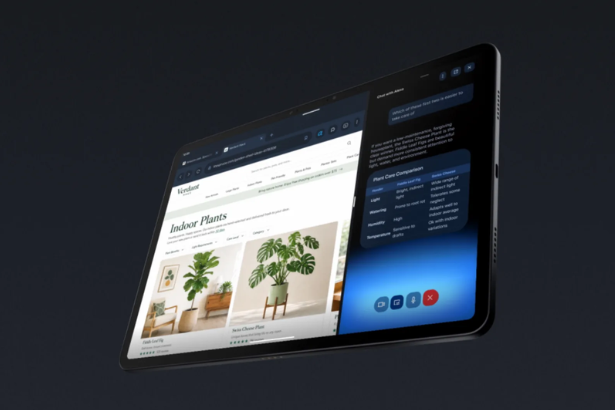
Alexa+ is not simply another app preinstalled on the new tablets. Amazon says the assistant is built into the experience, allowing users to access it by voice or through an on-screen control.
One of the more notable features is On-Screen Intelligence. With the feature enabled, users can ask Alexa questions about information displayed on the tablet. For example, someone comparing hiking trails could ask for help evaluating options, or someone looking at a schedule could ask the assistant to help add events to a calendar.
Amazon says screen intelligence is optional and off by default. Users can choose whether to enable it and can disable it through settings. A visible indicator is shown when Alexa is active.
This design makes the tablet a more active AI interface. Instead of switching between apps to search for information, users can ask the assistant to interpret context and help with a task. The usefulness of that approach will depend on the accuracy of Alexa’s responses, the quality of its integrations and how consistently it handles real-world requests.
4. Kindle gets a dedicated reading experience
Amazon is also using the launch to connect its Kindle experience more closely with tablets.
When users open the Kindle app, the company says the tablet can enter a distraction-free reading mode that silences notifications, reduces blue light and extends battery life. Amazon claims the reading experience can last up to 20 hours on a charge, depending on the model and conditions.
The feature is particularly relevant to customers who want one device for books, video, browsing and general tasks. It also helps Amazon differentiate the tablets through its existing content ecosystem rather than relying on hardware specifications alone.
The top model adds a Nanomatte display option intended to reduce reflections. That could make reading more comfortable in bright environments, though customers should evaluate the screen in person if glare reduction is a major buying consideration.
5. Google Play changes the competitive picture
Full Google Play Store access may be the most strategically important change in the lineup.
A broader app catalogue reduces the friction that previously made Fire tablets less appealing to some users. It also makes the devices easier to consider for people who depend on Google’s productivity and communication services.
However, app availability alone does not guarantee a premium tablet experience. Performance, software updates, multitasking, accessory support and app optimization will still determine whether Amazon can win users away from established alternatives.
Amazon says the new tablets will begin shipping in the United States, Mexico and Canada on October 14, 2026, with European availability beginning October 19. Availability varies by model and market, so buyers should check Amazon’s local product listings for regional pricing and delivery details.
Expert Insights or Analysis
Amazon’s tablet launch is about three strategic bets: a more open software ecosystem, a stronger role for AI and a move toward higher-value hardware.
First, app access removes a major barrier. Buyers who previously avoided Fire tablets because of the limited app ecosystem now have a more familiar Android experience. This may broaden Amazon’s appeal beyond people who primarily use Prime Video, Kindle and other Amazon services.
Second, Alexa+ could make the devices feel different from conventional Android tablets. Most tablets offer access to AI applications, but Amazon is attempting to integrate its assistant directly into the interface. If the assistant can reliably understand screen context, organize tasks and control smart-home devices, that integration could be more useful than a standalone chatbot. It remains a proposition that needs to be tested in daily use.
Third, premium pricing raises the bar. Amazon’s low-cost reputation has been a major advantage, but higher prices put its tablets in a category where customers expect strong displays, smooth performance, dependable software support and high-quality accessories. A premium design needs to deliver more than a polished exterior.
Fourth, the business model extends beyond hardware sales. Amazon has an established ecosystem of Prime subscriptions, Kindle content, streaming services, shopping and smart-home devices. Tablets can bring those services together and potentially strengthen customer engagement. That is a strategic opportunity, although it does not prove that every buyer will spend more within Amazon’s ecosystem.
The crucial test will be whether the new devices feel like well-rounded Android tablets that happen to integrate Alexa, rather than Amazon service portals with more expensive hardware.
Broader Implications
The Amazon Alexa tablets show how the tablet category is changing as AI assistants become part of mainstream consumer devices.
For years, tablet makers competed on screen size, performance, battery life and price. Those factors still matter, but AI features are increasingly being positioned as a way to simplify everyday tasks. Amazon’s approach is to place Alexa+ at the center of a device used for reading, watching, shopping, planning and controlling connected-home products.
That creates an opportunity for Amazon to strengthen its ecosystem. It also introduces questions about privacy and trust. A feature that can interpret on-screen information needs clear controls, understandable indicators and reliable settings. Amazon says On-Screen Intelligence is opt-in and can be disabled, but users should still review the available controls before enabling contextual assistance.
The move also puts pressure on competing tablet makers. Apple, Samsung and other Android manufacturers have their own hardware, software and AI strategies. Amazon’s combination of Alexa+, Google Play access and existing services gives it a different starting point, but it must demonstrate that the experience is cohesive and reliable.
For The Tech Marketer, this story connects naturally to a future explainer on how generative AI is changing consumer devices. This is an internal-link suggestion; replace it with a relevant published article URL before publishing.
Related History or Comparable Technologies
Amazon’s tablet history helps explain why this launch matters.
The original Kindle Fire helped popularize inexpensive tablets built around media consumption and digital content. Later Fire models continued that strategy, offering relatively low-cost hardware with an interface closely tied to Amazon’s services.
The new Alexa Tablet family changes that positioning. Instead of competing primarily on price, Amazon is emphasizing materials, display technology, productivity accessories and access to a larger Android app ecosystem.
The comparison with Apple’s iPad is unavoidable. Apple has built a strong tablet business around hardware quality, software integration, accessories and a large application ecosystem. Samsung competes through a range of Android devices, with higher-end models offering advanced displays and multitasking features.
Amazon does not need to replicate either company’s approach exactly. Its potential advantage is the combination of Alexa+, Prime Video, Kindle, Audible, Amazon Music, shopping and smart-home controls. If those services work smoothly alongside third-party apps, the tablets could appeal to users who want a single device for everyday digital tasks.
The risk is that Amazon’s premium models may face stronger scrutiny than its inexpensive Fire tablets. At higher prices, customers are more likely to compare performance, long-term support and productivity features directly with established competitors.
What Happens Next
Several developments will determine whether the new tablets can establish themselves in the market.
- Real-world performance reviews: Independent testing will help establish whether the displays, processors, battery life and multitasking match Amazon’s claims.
- Alexa+ reliability: The assistant’s ability to interpret screen context, follow instructions and handle multi-step tasks will be central to the product’s appeal.
- Software and security support: Buyers will want clarity on Android updates, security patches and how long the devices will remain supported.
- Developer and app compatibility: Google Play access broadens the available catalogue, but the quality of individual apps and their tablet layouts will still matter.
- Pricing and customer response: The new prices could attract customers who want a more capable Amazon device, but they could also push value-focused shoppers toward older Fire tablets or competing budget models.
- Regional availability: The initial rollout covers selected markets. Availability and pricing in other countries will need to be confirmed through local Amazon announcements.
The launch is a strategic reset, but the long-term outcome will depend on execution. The hardware must be competitive, Alexa+ must be useful and the software experience must deliver on the promise of a more open tablet.
Conclusion
Amazon’s new Alexa tablets represent a meaningful break from the company’s traditional budget-tablet strategy. By combining Android, Google Play access, premium materials and built-in Alexa+, Amazon is trying to make its devices more useful for work and everyday life while keeping its own services at the center.
The biggest change may not be the aluminum construction or the larger displays. It is the attempt to remove the app limitations of Fire tablets while giving users a more contextual AI assistant.
That is a compelling direction, but it is not a guaranteed success. Amazon will need to prove that Alexa+ works reliably, that the hardware justifies the higher prices and that customers value its ecosystem enough to choose these tablets over established alternatives.
For now, the launch signals a more ambitious Amazon in the tablet market. Reviews, software support and real-world AI performance will determine whether that ambition turns into a lasting competitor.
FAQ
1. What are the new Amazon Alexa tablets?
Amazon has announced three main models: the Alexa Tablet 12 Pro, Alexa Tablet 11 and Alexa Tablet 8. They run Android, include Google Play Store access and feature Alexa+ integration.
2. How much do Amazon Alexa tablets cost?
The announced US starting prices are $229.99 for the Alexa Tablet 8, $329.99 for the Alexa Tablet 11 and $499.99 for the Alexa Tablet 12 Pro. The Pro’s Nanomatte configuration starts at $549.99. Prices and availability can vary by market.
3. Do the new Amazon tablets support Google Play?
Yes. Amazon says the new lineup runs Android and includes full Google Play Store access, allowing customers to install apps such as YouTube, Gmail, Google Docs and Netflix.
4. What is Alexa+ on the new tablets?
Alexa+ is Amazon’s generative AI assistant, integrated into the tablet experience. It can answer questions, help with tasks and control compatible smart-home devices. An optional On-Screen Intelligence feature lets users ask questions about visible content.
5. Are the new Alexa tablets replacing Fire tablets?
Amazon is introducing the Alexa Tablets as a new product line with new hardware and software. The launch marks a strategic shift from the older Fire tablet approach. Buyers should check Amazon’s current support and product announcements for the status of existing Fire models.
6. When will the new Amazon Alexa tablets be available?
Amazon says the devices will begin shipping in the United States, Mexico and Canada on October 14, 2026. The initial European rollout is scheduled to begin October 19. Check the official product page for updates and regional availability.
7. Are Amazon Alexa tablets suitable for productivity?
The 12 Pro is the model most clearly aimed at productivity, with optional keyboard and pen accessories and support for multitasking. Whether it can replace a laptop depends on the apps you use, your workflow and the performance of its software.
Sources & References
- “Introducing all-new Amazon Alexa Tablets: powerful tablets with Alexa+ built in”, Amazon.
https://www.aboutamazon.com/news/devices/new-amazon-alexa-tablets-alexa-plus - “Why Amazon is launching more tablets”, Fortune.
https://fortune.com/2026/10/09/why-amazon-is-launching-more-tablets/ - “Amazon Alexa tablet release”, CNBC.
https://www.cnbc.com/2026/10/08/amazon-alexa-tablet-release.html - “Amazon unveils new Alexa tablets with Alexa+ and Google Play Store access”, TechCrunch.
https://techcrunch.com/2026/10/08/amazon-unveils-new-alexa-tablets-with-alexa-and-google-play-store-access/ - “Amazon Snuffs Out the Fire and Rebrands Its Slates as Alexa Tablets”, WIRED.
https://www.wired.com/story/amazon-alexa-tablets-2026/