US semiconductor manufacturing is back in focus as Taiwan Semiconductor Manufacturing Company, better known as TSMC, explores additional investment opportunities in Texas, according to an Associated Press report. The development comes as demand for advanced processors grows alongside investment in artificial intelligence infrastructure, data centers and high-performance computing.
The possibility of further investment is significant because semiconductor manufacturing is expensive, technically demanding and difficult to scale quickly. A new fabrication plant requires specialized equipment, reliable electricity and water supplies, experienced engineers, trained technicians and a network of suppliers capable of supporting highly precise production.
For the United States, attracting more chip manufacturing is about more than adding factory capacity. It is also about strengthening domestic supply chains, reducing exposure to disruptions overseas and ensuring that the country can support the next generation of AI computing.
However, exploring an investment opportunity is not the same as approving a project. Until TSMC confirms specific plans, including the location, scale, timetable and investment amount, any additional Texas expansion should be treated as a possibility rather than a finalized commitment.
Background and Context: Why US Semiconductor Manufacturing Matters
Semiconductors are essential components in computers, smartphones, vehicles, industrial equipment, communications networks and data centers. The rapid adoption of generative AI has made advanced chips especially important because training and operating large AI models requires enormous amounts of computing power.
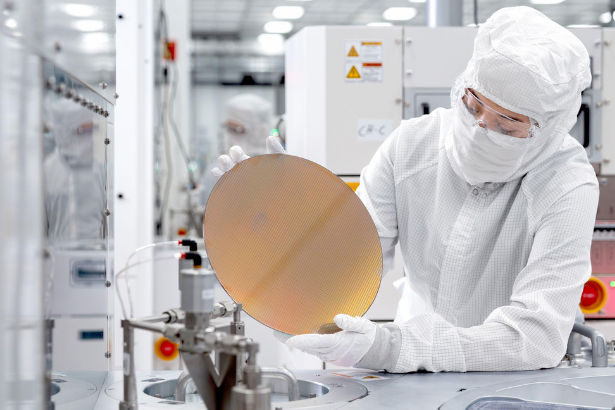
These chips are not easy to manufacture. Advanced fabrication plants, commonly called fabs, use sophisticated equipment and tightly controlled production environments to create microscopic circuit patterns on silicon wafers. Even small process variations can affect performance, reliability and production yields.
For decades, semiconductor production has been concentrated in a relatively small number of major manufacturing hubs. Taiwan plays a particularly important role in advanced chip fabrication, while the United States remains a major center for semiconductor design, software, research and chip-related innovation.
That division creates both economic opportunities and strategic vulnerabilities. US technology companies can design leading processors, but manufacturing those chips depends on specialized facilities, equipment and expertise that cannot be replicated overnight.
Expanding US semiconductor manufacturing is therefore a long-term industrial effort. It involves building factories, developing local suppliers, training workers and establishing the operational experience needed to produce chips at commercial scale.
Latest Update: TSMC’s Potential Texas Expansion
What has been reported?
The Associated Press reported that TSMC is exploring additional US investment opportunities in Texas amid growing demand for AI chips. This places the company’s potential expansion within a broader effort to increase domestic semiconductor manufacturing capacity.
The distinction between exploring and committing is important. A company can evaluate a region, examine infrastructure and workforce availability, and consider potential investment scenarios without having approved a new factory.
The specific details that matter next are whether TSMC confirms a project, identifies a site, announces an investment amount, establishes a construction schedule or outlines the types of chips it would manufacture.
Until those details are confirmed, the potential expansion should not be described as a completed investment decision.
Why Texas is attracting attention
Texas has a substantial industrial and technology ecosystem, including semiconductor-related businesses, engineering talent, research institutions and established manufacturing operations. The state also has a large industrial base that can support suppliers, contractors and other businesses connected to major factory projects.
A semiconductor fab can generate activity well beyond its own site. Construction requires specialized contractors, while ongoing operations depend on equipment maintenance, materials, transportation, utilities and highly trained personnel.
However, a favorable business environment does not automatically make a location suitable for advanced chip manufacturing. A fab also needs dependable power, significant water resources, specialized infrastructure and access to an experienced workforce.
Any potential Texas expansion would need to be assessed against those operational requirements, along with project economics and TSMC’s long-term manufacturing strategy.
Why AI chip demand is driving investment
AI computing has increased demand for advanced processors and the high-performance systems built around them. Cloud providers, AI developers and technology companies are investing in data centers designed to train and run increasingly capable models.
These systems require more than individual chips. They also depend on memory, advanced packaging, networking equipment, cooling infrastructure and reliable power. Manufacturing capacity is therefore one part of a larger technology supply chain.
For semiconductor manufacturers, sustained AI demand can create an incentive to add capacity. But new fabs require substantial upfront investment and years of planning, construction, equipment installation and production qualification.
Companies must balance expectations for future demand against the risk of adding capacity that may take time to become profitable. That makes long-term customer commitments, manufacturing efficiency and realistic demand forecasts important parts of any expansion decision.
Expert Insights and Analysis: The Challenges of Building More Chip Capacity
Potential investment in Texas highlights several practical challenges that will shape the future of US semiconductor manufacturing.
1. Building a fab requires enormous capital
Semiconductor factories are among the most capital-intensive facilities in modern manufacturing. The cost includes land, construction, cleanrooms, advanced production equipment, utilities and specialized systems for managing contamination.
A factory also needs to reach consistent production yields before it can operate efficiently at scale. Installing equipment is only one milestone. Engineers must calibrate processes, qualify production and ensure that the chips meet customer specifications.
This means new capacity cannot be switched on as quickly as a conventional warehouse or assembly line. Even after a project is announced, it can take years to move from planning to meaningful production.
2. Skilled workers are essential
Advanced semiconductor manufacturing requires engineers, process specialists, equipment technicians, materials experts and workers trained in cleanroom procedures.
Expanding domestic capacity therefore requires investment in education and workforce development as well as physical infrastructure. Companies need to recruit experienced employees while also building training pathways for new entrants.
Competition for skilled workers can become a bottleneck when several manufacturers expand in the same region. Partnerships with universities, technical colleges and workforce-development organizations can help, but training takes time.
3. Supply chains must grow around the factory
A semiconductor fab depends on a complex network of suppliers that provide specialized chemicals, gases, silicon wafers, precision components, maintenance services and manufacturing equipment.
A factory may be located in the United States while still relying on materials and equipment sourced internationally. Domestic production can strengthen supply-chain resilience, but it does not automatically eliminate dependence on overseas suppliers.
For this reason, the impact of a Texas expansion would depend not only on the fab itself, but also on how much of the surrounding supplier ecosystem develops alongside it.
4. Utilities and infrastructure can constrain expansion
Advanced semiconductor plants require highly reliable electricity and carefully managed water supplies. Power interruptions can disrupt sensitive production processes, while water systems must meet stringent quality and reliability requirements.
Local infrastructure planning is therefore central to any large semiconductor project. Governments, utilities and manufacturers may need to coordinate upgrades and long-term capacity planning before a facility begins operating.
The ability to provide dependable utilities at a competitive cost can influence both the timing and economics of an investment.
Broader Implications: What More US Chip Manufacturing Could Mean
Additional domestic semiconductor capacity could have implications for technology companies, industrial suppliers, workers and policymakers.
For AI developers and cloud providers, a more geographically diversified manufacturing base could offer another source of supply over time. The actual benefit would depend on the chips produced, customer qualifications, production volumes and how those products fit into existing supply chains.
For manufacturers, a major fab investment can attract suppliers, engineering services, construction firms and logistics providers. It can also create demand for specialized maintenance, equipment support and technical training.
For the United States, expanding domestic production supports a broader effort to strengthen the industrial base behind critical technologies. But manufacturing resilience depends on more than the location of a factory. Equipment, materials, packaging, skilled labor and transportation all influence the ability to maintain production during disruptions.
The economic benefits also need to be weighed against the cost of incentives, infrastructure investment and workforce development. Public support can help attract capital, but policymakers must consider whether projects deliver durable manufacturing capacity and long-term economic value.
For readers following the wider industrial technology shift, The Tech Marketer could link this story to an internal explainer on AI infrastructure investment and advanced manufacturing, connecting chip production with data center expansion and supply-chain resilience.
Related History: America’s Effort to Rebuild Domestic Chip Capacity
US semiconductor policy has increasingly focused on encouraging more domestic production and reducing vulnerabilities in strategically important supply chains.
The CHIPS and Science Act, signed into law in 2022, established federal incentives and research support intended to strengthen semiconductor manufacturing and innovation in the United States. It helped create a policy framework for attracting new investments, although individual projects still face challenges involving construction costs, labor, equipment and execution.
The broader reshoring effort is not a simple return to a fully domestic supply chain. Semiconductor production remains globally interconnected. Design tools, manufacturing equipment, materials, packaging services and customers may span multiple countries.
The more realistic objective is diversification: increasing domestic capacity where it offers strategic or commercial value while maintaining access to global expertise and suppliers.
TSMC’s existing US manufacturing investments and any future expansion proposals should be evaluated within that context. The key question is whether additional capacity can be delivered efficiently and integrated into the global semiconductor ecosystem.
What Happens Next: Five Developments to Watch
Several milestones will determine whether the reported Texas exploration becomes a concrete manufacturing project.
- Official confirmation from TSMC: A formal announcement would clarify whether the company has moved beyond exploring investment opportunities.
- Location and project scope: Details about the site, fabrication technology, production capacity and intended customers would help establish the project’s strategic importance.
- Investment and construction timetable: Confirmed spending commitments and a schedule would indicate the scale of the project and how long it may take to deliver capacity.
- Workforce and supplier plans: Hiring targets, training partnerships and supplier commitments would show how much of the local manufacturing ecosystem could benefit.
- AI demand and customer commitments: Continued demand for advanced chips could support new investment, while changes in spending or technology requirements could affect project economics.
The most useful indicators will be formal company announcements, regulatory filings and confirmed construction or hiring milestones, rather than speculation about what a potential investment might eventually include.
Conclusion: US Semiconductor Manufacturing Is a Long-Term Investment
TSMC’s reported exploration of additional Texas investment opportunities highlights the growing importance of domestic semiconductor manufacturing as AI demand expands.
More US production could strengthen supply-chain resilience, create demand for skilled workers and support a wider industrial ecosystem. But the path from exploration to operating capacity is complex. It requires substantial capital, reliable infrastructure, trained workers, supplier networks and confidence that future demand will justify the investment.
For now, the Texas opportunity should be treated as a development to watch rather than a finalized project. The next stage will depend on what TSMC formally confirms and whether the economics and infrastructure support additional manufacturing capacity.
The wider lesson is that strengthening America’s semiconductor position involves more than building factories. It requires sustained investment in people, infrastructure, research and the supply chains that make advanced chip production possible.
FAQ
1. What is happening with US semiconductor manufacturing?
US semiconductor manufacturing is receiving renewed attention as demand for AI chips grows and companies explore ways to expand domestic production. The Associated Press reported that TSMC is exploring additional US investment opportunities in Texas.
2. Is TSMC officially building a new semiconductor factory in Texas?
The reported exploration of investment opportunities does not by itself confirm a new factory. A formal company announcement specifying the site, investment, schedule and production plans would be needed to establish those details.
3. Why is TSMC important to the US semiconductor industry?
TSMC is a major contract semiconductor manufacturer that produces chips designed by other companies. Its manufacturing capabilities are important to global electronics, advanced computing and AI hardware supply chains.
4. Why is AI increasing demand for semiconductor manufacturing?
AI training and inference require substantial computing power. Advanced processors, memory and related semiconductor components help provide that capacity, encouraging technology companies to invest in infrastructure and chip supply.
5. What are the biggest challenges in expanding US chip production?
Key challenges include high capital costs, lengthy construction and qualification timelines, shortages of specialized workers, infrastructure requirements and dependence on global suppliers for equipment and materials.
6. How could a Texas semiconductor expansion benefit the local economy?
If a project proceeds, it could create construction and technical jobs and generate demand for suppliers, utilities, logistics providers and engineering services. The actual benefits would depend on the project’s size, timetable and local sourcing.
7. Will more US chip manufacturing eliminate dependence on overseas suppliers?
Not entirely. Semiconductor production relies on internationally connected networks of equipment makers, material suppliers, packaging providers and customers. Domestic expansion can diversify supply, but it does not automatically make the entire supply chain self-sufficient.
Sources & References
- Associated Press: Report on TSMC Exploring Additional US Investment Opportunities in Texas, Associated Press. Verify the article’s exact wording and publication date before publishing.
- TSMC: Official Company Website, Taiwan Semiconductor Manufacturing Company.
- CHIPS for America, National Institute of Standards and Technology.
- US Department of Commerce: CHIPS for America, official US semiconductor manufacturing and research program information.
- Semiconductor Industry Association, industry information and semiconductor market research.