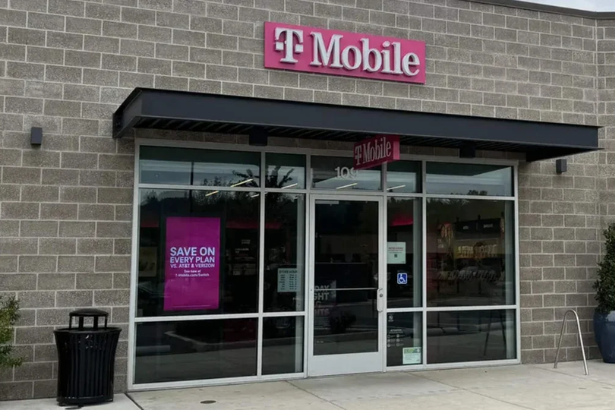
America’s second-largest wireless carrier is making significant changes to promotions and legacy plans, prompting mixed reactions from customers and signaling another shift in the increasingly competitive U.S. telecom market.
Introduction
T-Mobile US is making headlines after announcing changes to several customer programs, including tighter limits on popular switching incentives and automatic migrations for some older wireless plans. The moves come as the carrier continues refining its pricing strategy while encouraging customers to adopt newer premium plans.
The changes affect both prospective customers looking to switch carriers and longtime subscribers who have held onto grandfathered plans for years. While T-Mobile says the updates are designed to simplify its offerings and support network investments, critics argue they reduce flexibility and increase costs for loyal customers.
Background and Context
Since its merger with Sprint in 2020, T-Mobile US has aggressively expanded its subscriber base through competitive pricing, generous promotions, and perks such as free streaming subscriptions and device-switching incentives.
Programs like Keep and Switch and Family Freedom helped attract customers from Verizon and AT&T by reimbursing outstanding device balances when they switched to T-Mobile.
At the same time, many customers remained on older Magenta, ONE, and Simple Choice plans that often offered lower monthly costs than newer premium options.
As inflation, infrastructure investments, and spectrum deployment costs have risen, wireless carriers have increasingly focused on boosting average revenue per user (ARPU), leading to more frequent adjustments in pricing and promotional programs.
Latest Update
T-Mobile Restricts Popular Switching Promotions
According to TheStreet, T-Mobile has introduced new limits to its Keep and Switch and Family Freedom programs.
Key changes include:
- Reduced eligibility for some switching offers.
- Additional restrictions on qualifying devices.
- Updated requirements for customers transferring from competing carriers.
- More targeted promotional availability rather than broad nationwide offers.
The company says the changes are intended to align promotional spending with current market conditions while continuing to attract high-value customers.
Legacy Plans Automatically Transition
Separately, CNET reports that some customers with older T-Mobile wireless plans will automatically transition to newer plan structures unless they opt out within the specified timeframe.
Affected subscribers have received notifications outlining:
- Updated monthly pricing.
- New plan features.
- Available opt-out options where applicable.
- Effective dates for the transition.
While newer plans often include additional data benefits and enhanced network features, some customers may pay higher monthly rates.
End of a Popular Perk
According to AOL, T-Mobile is also discontinuing a longtime customer benefit that many subscribers valued. The change has generated criticism among customers who viewed the perk as one of the carrier’s key competitive advantages.
Together, these announcements represent one of T-Mobile’s most significant customer policy updates in recent months.
Why T-Mobile Is Making These Changes
Several business factors are likely driving the company’s strategy.
Rising Network Investment
T-Mobile continues expanding its nationwide 5G Ultra Capacity network while integrating additional spectrum assets.
Maintaining and upgrading wireless infrastructure requires billions of dollars in annual capital expenditures.
Revenue Growth
Like other major telecom providers, T-Mobile seeks to increase recurring revenue by encouraging customers to adopt premium plans with higher monthly pricing.
Legacy plans often generate lower revenue despite consuming similar network resources.
Promotional Efficiency
Large switching incentives helped fuel rapid subscriber growth after the Sprint merger.
Now that T-Mobile has become one of the nation’s largest wireless providers, analysts say management is shifting toward profitability rather than aggressive customer acquisition.
Expert Analysis
The changes illustrate how the U.S. wireless market has matured.
Over the past decade, carriers competed primarily through:
- Unlimited data.
- Free devices.
- Streaming subscriptions.
- Switching incentives.
- Price guarantees.
Today, competition increasingly focuses on premium features, bundled services, and long-term customer value.
Industry analysts believe T-Mobile is entering a new phase where maintaining profitability may take priority over offering the market’s most aggressive promotions.
For investors, this strategy could improve financial performance.
For customers, however, fewer promotional opportunities may reduce flexibility and increase switching costs.
Broader Implications
Consumers
Customers considering switching carriers may find fewer incentives than were available in previous years.
Those currently on legacy plans should carefully review notifications before automatic changes take effect.
Wireless Industry
Competitors such as Verizon and AT&T may respond with new promotions if T-Mobile’s changes create opportunities to attract dissatisfied subscribers.
Digital Services
Many premium wireless plans now bundle streaming, cloud storage, cybersecurity, and international roaming, reflecting the broader transformation of telecom companies into digital service providers.
Internal Link Suggestion:
TheTechMarketer.com → 5G Technology and Mobile Networks
Related History
T-Mobile built its “Un-carrier” reputation by eliminating contracts, reducing roaming fees, and introducing customer-friendly innovations that challenged industry norms.
Many of those initiatives forced competitors to adopt similar pricing models.
However, as the wireless market has matured, T-Mobile has gradually shifted from disruptive pricing toward optimizing long-term profitability.
The latest policy updates reflect that evolution.
What Happens Next
Customers should watch for:
- Additional plan migration notices.
- New promotional announcements later this year.
- Potential responses from Verizon and AT&T.
- Further adjustments to loyalty benefits.
- Expanded 5G service offerings tied to premium plans.
Analysts also expect carriers to continue bundling wireless service with home internet, streaming platforms, and AI-powered customer support tools.
Conclusion
The latest changes at T-Mobile US mark another milestone in the company’s evolution from industry disruptor to established telecom leader.
While tighter promotions and legacy plan transitions may improve profitability and support future network investments, they also underscore the balancing act between rewarding loyal customers and meeting financial goals.
For subscribers, the best course of action is to review account notifications carefully, compare available plan options, and evaluate whether existing benefits continue to meet their needs.
Frequently Asked Questions
What changes is T-Mobile making?
T-Mobile is tightening eligibility for certain switching promotions, automatically transitioning some legacy plans, and ending a popular customer perk.
Which T-Mobile plans are affected?
Some older or grandfathered plans are being migrated to newer offerings. Customers affected should receive direct notifications from T-Mobile.
Can customers keep their old T-Mobile plans?
In some cases, customers may be able to opt out before automatic changes take effect. Eligibility depends on the specific plan.
Why is T-Mobile changing its promotions?
The company says it is updating promotional programs to align with business priorities, network investments, and evolving customer demand.
Should I switch to a newer T-Mobile plan?
That depends on your current pricing, included benefits, and data usage. Customers should compare features before making a decision.
Sources & References
- TheStreet — T-Mobile Puts New Limits on Keep and Switch and Family Freedom Offers
- CNET — Holding Onto an Old T-Mobile Plan? It’s Automatically Changing in a Few Days
- AOL — T-Mobile Axes Beloved Perk, Forcing Higher Payments for Some Customers