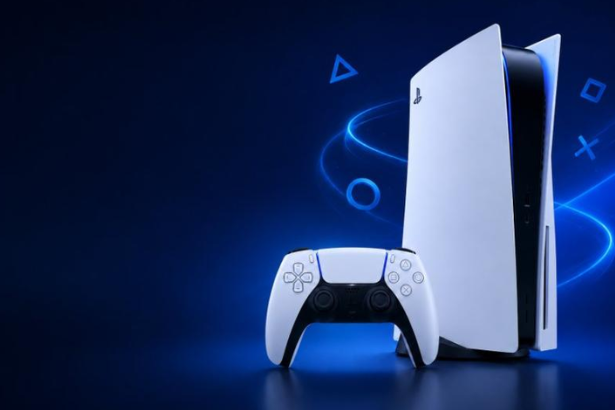
Sony’s growing focus on digital game distribution is triggering criticism from players, lawmakers, and consumer advocates who fear the future of game ownership is increasingly controlled by publishers instead of consumers.
Introduction
The Sony digital only transition is becoming one of the gaming industry’s most controversial developments. As Sony continues emphasizing digital purchases through the PlayStation Store while releasing more hardware without disc drives, concerns are growing over whether physical games are slowly disappearing from the PlayStation ecosystem.
The debate intensified this week following renewed criticism from industry analysts, consumer groups, and lawmakers in Mexico, where legislators announced plans to pursue antitrust action over Sony’s digital marketplace. At the same time, gamers across social media continue pushing back against what many see as an erosion of ownership rights.
Background and Context
The gaming industry has steadily shifted toward digital distribution over the past decade.
Sony accelerated that transition with:
- PlayStation 5 Digital Edition
- Optional Disc Drive for the PS5 Slim
- PlayStation Portal ecosystem
- Increasing emphasis on PlayStation Store sales
- Subscription services such as PlayStation Plus
While digital downloads offer convenience and instant access, they also concentrate purchasing power within Sony’s own marketplace.
Unlike physical discs, digital purchases generally cannot be resold, traded, or permanently preserved if licensing agreements change.
Latest News Breakdown
The latest wave of criticism began after Fortune published an analysis arguing that Sony’s strategy could ultimately weaken the PlayStation ecosystem by reducing consumer choice and limiting long-term ownership.
Meanwhile, Mexican lawmakers confirmed plans to submit an antitrust complaint against Sony and PlayStation, alleging that the company’s digital marketplace policies restrict competition and disadvantage consumers by encouraging exclusive purchases through the PlayStation Store.
Separately, NBC News highlighted growing resistance from gaming communities determined to preserve physical media, describing the movement as about more than nostalgia. Many players argue that physical discs provide consumer protections that digital licenses simply cannot match.
Together, these developments have transformed what was once a business strategy into a broader debate about digital rights, competition, and the future of game preservation.
Why the Sony Digital Only Transition Matters
The discussion extends well beyond replacing discs with downloads.
Ownership vs Licensing
When consumers purchase physical games, they own a tangible product that can typically be:
- Resold
- Lent to friends
- Collected
- Preserved
Digital purchases, however, are usually licenses governed by platform terms of service.
If licensing agreements expire or storefronts eventually close, access to purchased content may become uncertain.
Preservation of Gaming History
Video game historians warn that an all-digital future could make preserving older titles significantly more difficult.
Without physical copies, future generations may lose access to games that become unavailable digitally.
Consumer Choice
Many gamers simply want the freedom to decide how they purchase games.
A healthy marketplace often includes both:
- Physical retail
- Digital downloads
Critics argue that reducing physical options limits competition and ultimately increases consumer dependence on a single digital storefront.
Expert Analysis
Sony is far from alone in pursuing digital distribution.
Microsoft has expanded Xbox Game Pass.
Nintendo continues increasing eShop sales.
PC gaming has been almost entirely digital for years through platforms such as Steam.
However, Sony’s approach attracts particular scrutiny because PlayStation remains one of the world’s largest console ecosystems.
Industry analysts note several financial incentives behind digital sales:
- Higher profit margins
- Lower manufacturing costs
- No retail distribution expenses
- Greater pricing control
- Increased recurring revenue through subscriptions
For investors, digital ecosystems generate more predictable income.
For consumers, however, they often reduce flexibility after purchase.
Broader Implications
Digital Ownership
The PlayStation debate reflects larger questions affecting music, movies, ebooks, and software.
Consumers increasingly pay for access rather than permanent ownership.
Competition
The proposed Mexican antitrust complaint could add regulatory pressure as governments worldwide examine digital marketplaces operated by major technology companies.
If regulators conclude platform operators unfairly limit competition, future rules could reshape digital storefronts across the gaming industry.
Industry Trends
Sony’s strategy could influence:
- Microsoft
- Nintendo
- Valve
- Epic Games
- Future console manufacturers
The outcome may determine whether physical media remains part of gaming for another generation.
Internal Link Suggestion:
TheTechMarketer.com → The Future of Digital Ownership in Gaming
Related History
Gaming has experienced multiple transitions:
- Cartridge to optical discs
- Physical discs to downloads
- Single purchases to subscriptions
- Local gaming to cloud gaming
Each shift has improved convenience while introducing new debates over ownership and consumer rights.
The current controversy may become one of the industry’s defining moments as publishers balance profitability with player expectations.
What Happens Next
Several developments will shape the conversation over the coming months:
- Potential antitrust proceedings in Mexico.
- Continued consumer advocacy for physical media.
- Sony’s future hardware announcements.
- Sales performance of digital-only PlayStation consoles.
- Possible regulatory scrutiny in additional markets.
Sony has not announced plans to eliminate physical games entirely, but its long-term strategy clearly favors expanding digital distribution.
Whether consumers embrace that future remains one of the biggest questions facing the gaming industry.
Conclusion
The Sony digital only transition is about far more than removing disc drives.
It represents a broader shift in how consumers buy, own, and preserve digital entertainment.
For Sony, digital distribution offers higher margins and greater ecosystem control.
For many gamers, however, physical media remains an essential safeguard for ownership, competition, and long-term preservation.
As regulators begin paying closer attention and consumer activism grows, the debate over digital ownership is likely to become one of the defining technology stories of the decade.
Frequently Asked Questions
What is Sony’s digital only transition?
It refers to Sony’s increasing emphasis on digital game purchases, digital-only PlayStation hardware, and the PlayStation Store ecosystem.
Is Sony eliminating physical PlayStation games?
Sony has not announced the end of physical games, but recent hardware and business strategies indicate a stronger focus on digital distribution.
Why are gamers opposing digital-only PlayStation games?
Many players argue that physical games provide true ownership, resale rights, and long-term preservation that digital licenses cannot guarantee.
What is the Mexican antitrust complaint about?
Lawmakers reportedly plan to challenge Sony’s PlayStation Store practices, arguing they may reduce competition and limit consumer choice.
Can digital PlayStation games disappear?
Digital purchases generally remain available, but access depends on licensing agreements, account status, and continued platform support.
Sources & References
- Fortune — “Sony essentially destroys its own defense”: How its disc-free PS5 plan fuels antitrust concerns.
- LevelUp — Mexican lawmakers to file antitrust complaint against PlayStation and Sony over PS Store following the potential end of physical games.
- NBC News — For gamers, the fight to “save the disc” is about more than nostalgia.