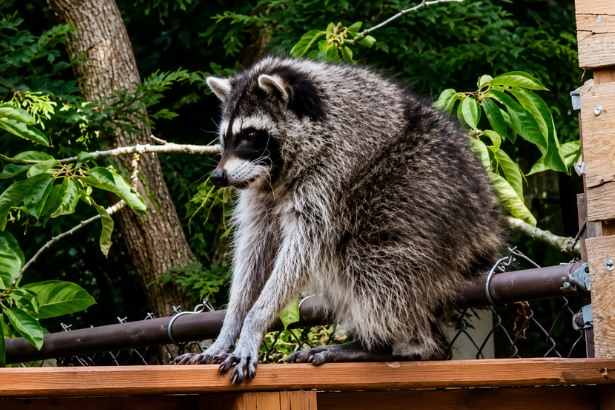
Seattle’s most famous raccoon has become the latest viral sensation, but wildlife experts say there’s more to the story than internet fame.
The Jimothy raccoon viral video has exploded across social media, transforming an ordinary urban raccoon into one of the internet’s most recognizable animal personalities. Videos showing the curious raccoon roaming Seattle neighborhoods have accumulated millions of views, inspiring memes, fan art, merchandise, and even a special tribute from the Seattle Mariners. Yet behind the viral fame lies a larger conversation about how humans interact with urban wildlife.
Background and Context
Jimothy first gained attention through videos shared by Seattle residents, who frequently spotted the raccoon exploring parks, sidewalks, and residential neighborhoods.
Unlike many viral animals that disappear after a few days, Jimothy continued appearing in videos across multiple platforms, creating an online following that grew far beyond Seattle.
The raccoon’s relaxed behavior around people helped fuel internet fascination, with many viewers describing Jimothy as the unofficial mascot of Seattle.
Latest News
The Washington Post recently explored Jimothy’s growing popularity, describing the raccoon as an example of America’s fascination with charismatic urban wildlife.
Meanwhile, WIRED urged readers not to become overly attached to Jimothy, reminding the public that despite internet fame, raccoons remain wild animals whose welfare depends on maintaining natural behaviors rather than human interaction.
The popularity reached another milestone when the Seattle Mariners embraced the phenomenon with a special “Hot Jimothy Summer” promotion, highlighting how a local wildlife story evolved into a citywide cultural event.
Why Jimothy Went Viral
Several factors contributed to Jimothy’s online success:
- Authentic videos filmed by local residents
- The raccoon’s unusually calm personality
- High engagement across TikTok, Instagram, Reddit, and X
- Meme culture amplifying visibility
- Local businesses and sports teams embracing the trend
Unlike manufactured internet content, Jimothy’s popularity grew organically through community sharing.
Expert Analysis
Wildlife experts say Jimothy’s fame demonstrates both the power and the risks of social media.
On one hand, viral animals encourage greater appreciation for urban biodiversity.
On the other, experts warn that feeding or approaching wildlife because of internet fame can alter animal behavior, increase dependence on humans, and create safety concerns for both animals and people.
Researchers encourage viewers to admire wildlife from a respectful distance while avoiding actions that could disrupt natural habitats.
Technology and Social Media Impact
The Jimothy phenomenon illustrates how modern recommendation algorithms can rapidly transform local stories into global trends.
Platforms such as TikTok, Instagram Reels, YouTube Shorts, and X reward authentic, emotionally engaging content, allowing videos featuring Jimothy to spread well beyond Seattle.
The story also demonstrates how internet communities increasingly create digital identities for animals, complete with memes, merchandise, hashtags, and fan accounts.
Broader Implications
Jimothy’s popularity raises important questions about:
- Ethical wildlife photography
- Responsible content creation
- Social media’s influence on animal behavior
- Urban conservation awareness
- Community engagement through internet culture
While viral fame can increase appreciation for wildlife, conservation organizations emphasize that internet popularity should never encourage direct interaction with wild animals.
Related History
Jimothy joins a growing list of internet-famous animals that captured worldwide attention, including:
- Long Boi, the famous duck in the United Kingdom
- Grumpy Cat
- Moo Deng the pygmy hippo
- Flaco the owl
- Peanut the squirrel
Each demonstrates how social media can elevate local wildlife into global cultural icons.
What Happens Next
Jimothy’s popularity is expected to continue as more residents share sightings online.
Wildlife organizations hope the attention also encourages conversations about protecting urban ecosystems and respecting wild animals.
For Seattle, Jimothy has already become more than a raccoon. The viral star has evolved into a symbol of the city’s unique mix of nature, community, and internet culture.
Conclusion
The Jimothy raccoon viral video is more than another fleeting social media trend. It reflects how digital platforms can transform everyday wildlife encounters into global conversations while highlighting the importance of responsible interaction with urban animals.
As Jimothy continues roaming Seattle, the internet will undoubtedly keep watching. The challenge is ensuring admiration never comes at the expense of the animal’s well-being.
Frequently Asked Questions
Who is Jimothy?
Jimothy is a raccoon living in Seattle that became famous through viral social media videos.
Why did Jimothy become viral?
Authentic neighborhood videos, community engagement, and widespread sharing across social media platforms turned Jimothy into an internet sensation.
Is Jimothy a pet?
No. Jimothy is a wild raccoon and should be treated as wildlife.
Why are wildlife experts concerned?
Experts caution that excessive attention, feeding, or approaching wild animals can negatively affect their natural behavior and safety.
Did the Seattle Mariners recognize Jimothy?
Yes. The Mariners embraced the trend with a “Hot Jimothy Summer” promotion celebrating Seattle’s internet-famous raccoon.
Sources & References
- The Washington Post – Jimothy, Seattle’s viral raccoon, belongs to a great American tradition
https://www.washingtonpost.com/opinions/2026/07/30/seattle-raccoon-jimothy-goes-viral/ - WIRED – Don’t Get Too Attached to Jimothy
https://www.wired.com/story/dont-get-too-attached-to-jimothy/ - MyNorthwest – Mariners celebrate ‘Hot Jimothy Summer’ with special night honoring Seattle’s viral raccoon
https://mynorthwest.com/local/jimothy-mariners-seattle/4261362