Introduction
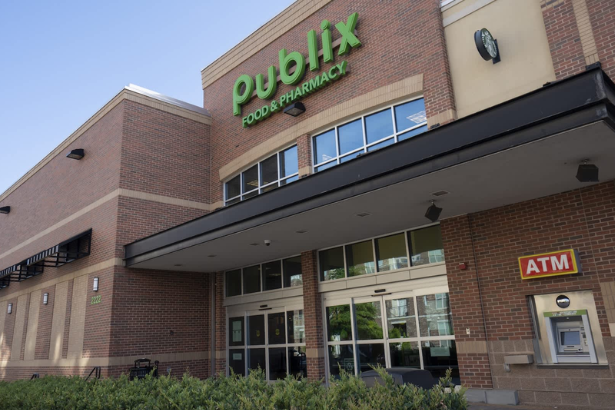
Publix is confronting a grocery market where convenience alone is no longer enough to keep shoppers coming back. As food prices remain a concern, consumers are comparing retailers, switching brands and looking for loyalty programs that provide tangible savings.
The shift is bigger than any single supermarket chain. Recent reporting from TheStreet, Grocery Dive and Supermarket News points to the same underlying change: shoppers are becoming more strategic about where they spend their grocery dollars, while retailers are turning to loyalty programs, personalization and artificial intelligence to keep them engaged.
That helps explain why Publix is suddenly attracting attention in Google Trends. The search spike reflects a broader question facing the grocery industry: how do traditional supermarkets maintain customer loyalty when shoppers have more ways than ever to compare prices?
Background and Context
For decades, grocery shopping was heavily influenced by proximity. Consumers generally had a preferred supermarket, and convenience made switching retailers inconvenient.
That dynamic has weakened.
According to TheStreet, 75% of surveyed consumers said they were stressed about grocery bills, up from 73% a year earlier. The same research found that 42% had switched to private-label products to save money, while 36% had replaced favorite brands with cheaper alternatives.
Consumers are also shopping across multiple retailers.
TheStreet reported that 44% of shoppers do not necessarily have a single go-to grocery store. Twenty-eight percent compare prices across multiple retailers, while another 28% have a preferred grocer but still compare prices before purchasing.
That is a major challenge for traditional supermarket brands.
Publix has historically benefited from a strong regional identity, customer service reputation and a recognizable shopping experience. But when customers can compare prices through apps, websites and digital shopping tools before they even enter a store, the definition of loyalty starts to change.
Latest Update: Publix and the New Grocery Loyalty Battle
The latest coverage suggests that grocery loyalty is entering a new phase.
TheStreet: Kroger, Publix, and regional grocery chains face pricing problem
TheStreet reports that traditional grocers including Publix, Kroger and Albertsons are being squeezed by lower-priced competitors such as Walmart, Aldi, Lidl and Costco.
The issue is not necessarily that shoppers have stopped spending. Instead, shoppers are becoming more selective about where and how they spend.
Kroger CEO Gregory Foran acknowledged the pressure during the company’s first-quarter earnings call, saying the retailer needed to become more competitive, consistent and easier for customers to understand. TheStreet’s reporting suggests that the same fundamental problem extends beyond Kroger to other mainstream supermarket operators.
For Publix, that creates an interesting strategic problem.
The company does not have to become the cheapest supermarket in every market. But it needs to give shoppers a clear reason to choose it when another retailer offers a lower price.
Loyalty programs are becoming more important
Grocery Dive’s analysis shows that retailers are responding by rebuilding loyalty programs around actual consumer value.
Grocery Dive: Pardon the Disruption, Is grocery’s loyalty boom swaying price-sensitive shoppers?
The publication reports that grocery retailers are expanding digital coupons, customized pricing, members-only events, tiered programs and automatic rewards redemption.
The goal is increasingly straightforward: give shoppers a reason to return.
But Grocery Dive also points out a potential problem. Many retailers are offering similar features, particularly digital coupons and personalized promotions. If every supermarket offers essentially the same loyalty experience, the technology itself stops being a differentiator.
That matters for Publix.
A loyalty program can produce discounts, collect customer data and encourage repeat purchases. But the strongest programs can do something more valuable: reinforce why the retailer is different.
AI is changing what shoppers expect
Artificial intelligence adds another layer to the competition.
Supermarket News: Inflation, AI and the fight for consumer loyalty
Supermarket News reports on an Algolia survey of 1,000 U.S. adults examining how inflation is affecting grocery behavior and how consumers view AI-assisted shopping.
The results suggest that shoppers are increasingly interested in AI features that can make grocery shopping cheaper and easier.
About 48% of consumers surveyed said they would be more likely to shop with a grocer that successfully implemented AI features. The figure rose to 56% among parents.
The most attractive features included:
- AI recommendations based on previous purchases
- Real-time inventory visibility
- AI tools that turn handwritten grocery lists into digital shopping carts
- Automatic coupon discovery
- Faster product comparisons
This is where grocery loyalty starts to overlap with retail technology.
Expert Insights and Analysis
The most important development is not simply that grocery shoppers want lower prices. It is that price discovery has become easier.
A shopper who once compared two stores by memory can now compare prices through a smartphone. Digital coupons can alter the effective price. Loyalty accounts can unlock additional discounts. Online inventories can influence where someone shops before they leave home.
That makes grocery loyalty increasingly conditional.
A customer may still prefer Publix, but preference can lose out if the savings gap becomes large enough.
TheStreet cited GlobalData Managing Director Neil Saunders, who argued that traditional grocers suffer from a lack of differentiation. If one mainstream supermarket looks interchangeable with another, shoppers have little reason to remain loyal when prices vary.
That is particularly important for Publix because its strongest competitive advantages are not purely technological.
Its brand identity, store experience, prepared foods, private-label products and customer service can all contribute to differentiation. The challenge is translating those advantages into a value proposition that remains convincing when consumers are under financial pressure.
The answer is unlikely to be simply “more coupons.”
Instead, retailers may need to build loyalty around a combination of price, personalization, convenience and identity.
Broader Implications
The Publix trend is really a window into a much larger transformation in American retail.
Traditional supermarkets once competed primarily through location, assortment and weekly promotions. Now they are competing through data, mobile applications, personalization, digital rewards, search technology and AI.
That creates a new kind of supermarket arms race.
The winning retailer may not be the one with the lowest price on every product. It could be the retailer that makes customers feel they are consistently receiving the best overall value.
For Publix, that could mean making its digital experience as compelling as its physical stores.
For competitors, the same lesson applies.
A loyalty program that merely stores coupons is becoming less distinctive. A smarter system could anticipate what a household needs, identify lower-cost alternatives, highlight relevant promotions and reduce the friction of building a weekly basket.
That creates an opportunity for technology companies as well as retailers.
For more analysis on how technology is reshaping consumer behavior, see the The Tech Marketer internal coverage suggestion: How AI Is Changing the Future of Retail Loyalty Programs.
Related History and Comparable Technologies
The modern grocery loyalty program has evolved considerably.
Early programs were largely about identification. A loyalty card allowed a supermarket to associate purchases with a customer and provide targeted discounts.
The next generation introduced digital coupons and personalized promotions.
Now retailers are moving toward systems that can react in real time.
AI can potentially analyze shopping history, inventory, pricing and consumer preferences simultaneously. Instead of asking customers to search through dozens of offers, the system could surface the promotions most relevant to their household.
The technology resembles personalization systems already common in e-commerce.
Amazon, streaming services and digital advertising platforms have spent years training consumers to expect recommendations based on previous behavior. Grocery retailers are increasingly applying the same concept to a category where purchases happen frequently and household preferences can be highly predictable.
The challenge is trust.
Consumers may appreciate personalization when it saves money and time. They may become less enthusiastic when personalization feels like surveillance or simply encourages them to buy more.
That distinction could determine which grocery loyalty systems actually succeed.
What Happens Next
The grocery industry is likely to become even more competitive as shoppers continue to seek value.
Three developments are worth watching.
1. Loyalty programs will become more personalized.
Generic coupons are unlikely to disappear, but retailers have a strong incentive to make promotions more relevant to individual households.
2. AI will move closer to the shopping cart.
The most useful applications will probably focus on practical tasks such as finding deals, comparing products, checking inventory and creating shopping lists.
3. Grocery differentiation will matter more.
If every retailer offers digital coupons and personalized discounts, those features will become table stakes.
The next competitive advantage will be the overall experience surrounding them.
For Publix, that could be an important opportunity. A strong store identity combined with useful digital technology can create something harder for competitors to copy than a simple price promotion.
Conclusion
The sudden interest in Publix reflects more than curiosity about one supermarket chain.
It captures a fundamental change in grocery shopping.
Consumers are under pressure from food prices, but they are also equipped with better tools for comparing retailers and finding deals. At the same time, supermarkets are responding with increasingly sophisticated loyalty programs and AI-powered shopping features.
The result is a market where loyalty can no longer be taken for granted.
Publix and its traditional grocery competitors do not necessarily need to become the cheapest stores in America. They do need to make their value obvious, their technology useful and their customer experience distinctive.
In the next phase of grocery retail, the most valuable customer may not be the person who is loyal to one store.
It may be the person who has a reason to stay.
FAQ
1. Why is Publix trending?
Publix is trending amid renewed discussion about grocery pricing, consumer loyalty and the pressure facing traditional supermarket chains. Recent industry coverage highlights how shoppers are increasingly comparing prices and switching retailers.
2. Is Publix becoming more expensive than other grocery stores?
The available reporting does not establish that Publix is universally more expensive. Instead, it shows that consumers are increasingly comparing prices among Publix, Kroger, Walmart, Aldi, Costco and other retailers.
3. Why are grocery loyalty programs becoming more important?
Inflation and price sensitivity are encouraging shoppers to look for savings. Loyalty programs can provide digital coupons, personalized offers, rewards and other incentives that make customers more likely to return.
4. How is AI changing grocery shopping?
AI can help shoppers find coupons, compare products, build shopping lists, receive recommendations and check inventory. Supermarket News reported that 48% of surveyed consumers would be more likely to shop with a grocer that successfully implemented AI features.
5. Will grocery loyalty programs become more personalized?
That is a strong possibility. Retailers are already expanding customized pricing, personalized promotions and AI-driven recommendations. The challenge will be making those features genuinely useful rather than simply adding more digital offers.
Sources & References
- “Kroger, Publix, and regional grocery chains face pricing problem,” TheStreet, September 5, 2026. Read the full report
- “Pardon the Disruption: Is grocery’s loyalty boom swaying price-sensitive shoppers?” Grocery Dive, September 3, 2026. Read the full analysis
- “Inflation, AI and the fight for consumer loyalty,” Supermarket News, September 4, 2026. Read the full analysis