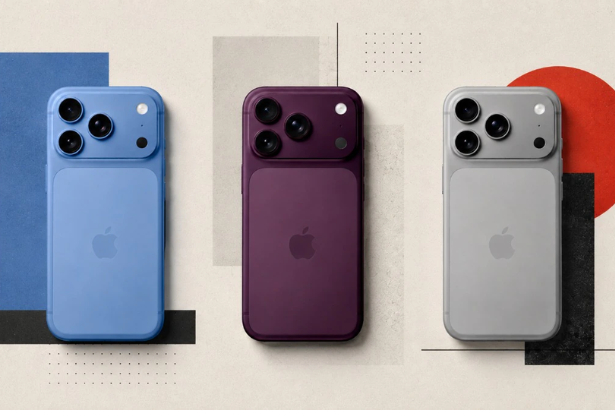
The next iPhone could cost more as memory prices squeeze Apple’s hardware margins, with a $100 increase potentially putting the iPhone 18 Pro at $1,199.
An iPhone price increase is moving closer to reality as Apple faces the same memory and chip supply pressures that have already pushed up prices across parts of its hardware lineup.
According to Bloomberg’s Mark Gurman, cited by MacRumors, Apple is preparing to raise iPhone prices after watching competitors including Samsung and Google respond to higher component costs. A $100 increase would put the iPhone 18 Pro at an estimated starting price of $1,199, compared with $1,099 for the current iPhone 17 Pro.
The potential change comes at a sensitive moment. Apple’s next-generation iPhone lineup is expected in September, while the company is already dealing with sharply higher memory costs.
The result could be a familiar smartphone story with a new twist: more expensive hardware at a time when consumers are already paying more for computers, tablets and other electronics.
Background and Context
Apple has already raised prices on several products this year.
MacRumors reports that Macs and iPads were among the products affected by Apple’s broader price increases two months ago, with those categories rising by about 23% on average.
The iPhone has so far avoided the same treatment.
That may be about to change.
The underlying problem is the cost of memory and other components. During Apple’s fiscal third-quarter earnings discussion, CEO Tim Cook said memory costs had continued increasing from quarter to quarter, adding pressure to the company’s hardware economics.
The issue extends beyond Apple.
Smartphone manufacturers including Samsung, Oppo, Vivo, Realme and OnePlus have also raised prices on selected models as memory and chipset costs climb.
That creates a difficult environment for the entire consumer electronics industry.
Memory manufacturers are dealing with enormous demand from AI infrastructure while smartphone makers need DRAM and NAND for consumer devices.
The pressure eventually reaches the checkout page.
Latest Update: Apple Prepares for an iPhone Price Increase
The latest report comes from MacRumors, which says Apple is preparing to raise iPhone prices based on reporting from Bloomberg’s Mark Gurman. MacRumors report on Apple’s potential iPhone price increase
Gurman’s assessment is that an increase has become increasingly difficult for Apple to avoid because the iPhone is exposed to the same memory and chip supply-chain problems affecting the company’s other hardware.
Samsung and Google have reportedly increased prices on their latest smartphones by approximately $100.
If Apple followed that approach, the iPhone 18 Pro would start at about $1,199, roughly 9% above the current $1,099 starting price of the iPhone 17 Pro.
That figure is not an official Apple price.
The company has not announced final iPhone 18 pricing, and the exact increase remains uncertain.
But the $1,199 figure provides a useful benchmark for what consumers could face.
Why $1,199 Matters
A move from $1,099 to $1,199 would be significant, but it would not be the most aggressive increase Apple could make.
Gurman reportedly described a $100 increase as relatively modest given the severity of the memory crunch. That implies Apple could absorb part of the additional component cost through lower margins rather than transferring the entire increase to customers.
That strategy would fit the company’s broader approach.
Apple has enormous pricing power, but the iPhone is still a consumer product.
Push prices too far and the company risks slowing upgrades.
Keep prices too low and rising component costs eat into margins.
The challenge is finding the middle.
The Memory Problem Behind the iPhone Price Increase
The most important part of this story is not the rumored $100 increase.
It is memory.
TrendForce estimates that the bill of materials for the 256GB iPhone 18 Pro could be about 38% higher than the equivalent iPhone 17 Pro, with memory accounting for a dramatically larger share of component costs.
According to that analysis, memory represented about 10% of the comparable iPhone Pro’s component cost a year earlier.
By the third quarter of 2026, TrendForce estimates that share could reach approximately 34%.
It could exceed 40% in the first half of 2027.
That is a remarkable shift.
Memory is becoming a much larger part of the economics of a premium smartphone.
And the reason is closely connected to the AI boom.
AI Is Changing the Economics of Smartphones
AI data centers consume enormous quantities of high-performance memory.
That demand competes indirectly with consumer electronics manufacturers for production capacity.
The result is a supply chain in which smartphone makers are paying more for components that were previously less dominant in their overall bill of materials.
That creates an uncomfortable situation for companies such as Apple.
The iPhone is a high-volume product, so even a relatively small increase in component costs can translate into billions of dollars of additional expenses.
Apple can respond in several ways:
- Raise retail prices.
- Reduce its hardware margins.
- Negotiate harder with suppliers.
- Change component configurations.
- Shift costs between different iPhone models.
- Encourage customers toward higher-margin products and services.
The most likely answer is a combination.
Apple’s Margins Are Part of the Equation
Apple has already warned investors about margin pressure from rising component costs.
That makes the potential iPhone price increase particularly interesting.
The company does not necessarily need to pass the entire increase to customers.
It can absorb some of the cost.
But absorbing everything would put more pressure on profitability.
The iPhone remains the center of Apple’s hardware business, so management has to balance volume, pricing and margins carefully.
A $100 increase could represent a compromise.
Consumers pay somewhat more.
Apple absorbs part of the cost.
The supply chain receives some relief.
And the company protects its premium positioning.
Ross Gerber Says Now May Be a Good Time to Buy an iPhone 17
There is another angle to the story.
Investor Ross Gerber recently suggested that consumers considering an iPhone 17 may want to buy before the next-generation lineup arrives.
In a post on X, Gerber said Apple Store employees told him sales were as strong as ever despite higher prices elsewhere in the company’s hardware lineup. He also noted that the current iPhone 17 price had not yet increased and suggested that consumers looking for an iPhone 17 might find the timing favorable.
Yahoo Finance report on Ross Gerber’s iPhone 17 comments
The current U.S. pricing cited in the report is:
| Model | Starting Price |
|---|---|
| iPhone 17 | $799 |
| iPhone 17 Pro | $1,099 |
| iPhone 17 Pro Max | $1,199 |
Those prices are important because they establish the baseline for any upcoming increase.
If the iPhone 18 Pro begins at $1,199, the previous Pro price effectively becomes the new entry point for Apple’s next-generation premium model.
The iPhone 18 Pro Could Face the Biggest Pressure
The premium models are particularly exposed to rising component costs.
A TrendForce analysis cited by MacRumors estimates that the 256GB iPhone 18 Pro could cost approximately 38% more to build than its predecessor based on component costs.
That does not mean Apple’s retail price will rise 38%.
Bill of materials is only one part of the economics of a smartphone.
Apple also has manufacturing, distribution, software, marketing, retail and other expenses.
But a nearly 40% increase in component costs creates a powerful incentive to adjust pricing.
It also explains why a $100 retail increase could actually be relatively conservative.
Apple’s Earlier Price Moves Offer a Clue
The potential iPhone increase would not be happening in isolation.
Apple has already increased prices across several product categories.
MacRumors reported that Mac and iPad prices rose substantially earlier this year, while Apple kept the iPhone unchanged.
That sequence may have been deliberate.
The iPhone is Apple’s most strategically important consumer product.
Raising prices on less central categories first gives the company an opportunity to observe how consumers respond.
Now Apple may be approaching the point where the iPhone cannot remain insulated from the broader cost shock.
Expert Insights and Analysis
The Real Question Is Not Whether Prices Rise
The more interesting question is how much.
A $100 increase would be relatively manageable for Apple’s premium customer base.
A $200 or $300 increase would be a different story.
Earlier analyst estimates have suggested that the iPhone 18 Pro could face increases ranging from roughly $125 to several hundred dollars, depending on the assumptions used for component costs and Apple’s margin strategy.
Apple has several reasons to avoid an extreme increase.
First, consumers already face higher smartphone prices.
Second, Samsung and Google provide direct premium alternatives.
Third, Apple has a massive installed base that it wants to keep upgrading.
Fourth, the company earns substantial revenue from services after the initial hardware sale.
That last point is easy to overlook.
Apple can view an iPhone purchase as the beginning of a longer customer relationship rather than a one-time hardware transaction.
That gives the company more flexibility than many hardware manufacturers.
Apple Could Push Customers Toward Financing
The potential price increase also makes Apple’s upgrade and subscription programs more strategically important.
MacRumors notes that Apple’s new Upgrade subscription program could soften the impact of a higher sticker price by allowing consumers to spread the cost over monthly payments.
That changes the psychology of pricing.
A $1,199 phone looks expensive when displayed as a single number.
A monthly payment can feel considerably more manageable.
For Apple, that could make a higher retail price less damaging to demand.
Broader Implications
The AI Boom Is Reaching the Smartphone Store
For years, the AI boom seemed largely disconnected from consumer electronics.
That is changing.
The same infrastructure powering AI services is consuming the memory capacity and semiconductor resources needed by phones, PCs and other devices.
The result is a supply-chain feedback loop.
More AI infrastructure means greater demand for memory.
Greater memory demand means higher component costs.
Higher component costs mean manufacturers have to decide whether to reduce margins or raise consumer prices.
The potential iPhone price increase is therefore part of a much bigger technology story.
Premium Smartphones May Become Even More Premium
If component inflation persists, smartphone companies could increasingly divide their products into clear tiers.
Premium customers may absorb higher prices.
Budget buyers may see slower specifications, less storage or longer product cycles.
That could accelerate a trend already visible across consumer technology.
The cheapest hardware becomes harder to manufacture profitably.
The premium segment becomes more important.
And companies with strong brands gain more pricing power.
Apple’s Pricing Strategy Could Influence the Entire Market
Apple does not operate in isolation.
When it raises prices, competitors watch.
When Samsung raises prices, Apple watches.
That is why the current market matters.
If several premium smartphone manufacturers move prices higher at roughly the same time, consumers have fewer alternatives for escaping higher hardware costs.
For more coverage of Apple, smartphones and the economics of emerging technology, readers can explore The Tech Marketer.
Related History and Comparable Technologies
The smartphone industry has experienced component-driven price changes before.
Display shortages, semiconductor shortages and supply-chain disruptions during the pandemic all demonstrated how quickly hardware economics can change.
But the current memory situation is unusual because it is tied directly to one of the industry’s biggest growth engines: AI infrastructure.
The comparison with PCs is particularly useful.
Apple has already raised prices on Macs and iPads as memory costs increased.
The iPhone is simply the next major product where the economics are becoming harder to ignore.
Other smartphone manufacturers are already responding.
That makes the current situation less like a single-company pricing decision and more like an industry-wide adjustment.
What Happens Next
The next major milestone is Apple’s expected September iPhone launch.
That is when consumers should learn the actual retail prices for the new generation.
Until then, the $1,199 iPhone 18 Pro figure should be treated as a reported possibility, not confirmed pricing.
Several outcomes remain possible.
Scenario 1: $100 Increase
The iPhone 18 Pro starts at $1,199.
This would align with the roughly $100 increases reported for competing premium smartphones and could represent Apple’s attempt to split the cost increase between consumers and its margins.
Scenario 2: Larger Increase
Apple could raise prices by more than $100 if memory costs continue climbing or if other component costs add pressure.
That would create greater sticker shock but could protect profitability.
Scenario 3: Apple Absorbs More of the Cost
Apple could keep the starting price closer to the current level and accept lower margins.
This would protect demand but leave the company more exposed to component inflation.
Scenario 4: Pricing Varies by Model
Apple could keep the entry-level iPhone relatively stable while applying larger increases to Pro and Pro Max models.
That would preserve an accessible starting price while capturing additional revenue from consumers seeking premium configurations.
The final strategy will reveal how confident Apple is in its pricing power.
Why “MacRumors” Is Trending on Google
The supplied Google Trends screenshot shows a sharp spike in searches for “macrumors” during the latest part of the 24-hour period.
The trend’s news results connect the surge directly to Apple’s potential pricing story.
The first result is MacRumors’ August 24 report that Apple is preparing to increase iPhone prices. The other visible results discuss Apple’s stock performance and investor commentary about whether consumers should buy the current iPhone generation before the next launch.
The trend therefore reflects a broader wave of interest in Apple’s upcoming hardware pricing rather than evidence of a confirmed price announcement.
The key distinction is important:
Apple has not officially announced the iPhone 18’s final price in the sources reviewed for this article.
The $1,199 figure is an estimate based on reported industry expectations and a potential $100 increase.
Conclusion
The potential iPhone price increase is becoming one of the biggest questions surrounding Apple’s next smartphone launch.
The immediate trigger is the rising cost of memory and other components. TrendForce estimates that the 256GB iPhone 18 Pro’s bill of materials could rise about 38% from its predecessor, while Apple’s own comments have confirmed that memory costs are putting pressure on hardware margins.
A reported $100 increase would put the iPhone 18 Pro at approximately $1,199.
That is not confirmed pricing.
But it is increasingly plausible.
For consumers, the decision may come down to timing. Those who need a phone now could find the current iPhone 17 generation attractive, particularly if prices do rise with the next launch. Ross Gerber has already argued that the current pricing window could be favorable for buyers.
For Apple, the calculation is much bigger.
The company must decide how much of the global memory crunch to absorb, how much to pass on to customers and how much pricing power its brand can ultimately support.
The answer could shape not only the iPhone 18 lineup, but the pricing of premium smartphones across the industry.
FAQ
Is Apple increasing iPhone prices?
Apple is reportedly preparing for an iPhone price increase, according to Bloomberg’s Mark Gurman as reported by MacRumors. However, Apple has not officially announced final iPhone 18 pricing in the sources reviewed here.
How much could the iPhone 18 Pro cost?
A $100 increase from the current $1,099 iPhone 17 Pro starting price would put the iPhone 18 Pro at approximately $1,199. This is a reported estimate, not an official Apple price.
Why is Apple considering an iPhone price increase?
The main pressure comes from sharply higher memory and chip costs. TrendForce estimates that the bill of materials for the 256GB iPhone 18 Pro could rise about 38% compared with the previous generation.
Could Apple absorb the higher costs instead?
Yes. Apple could accept lower hardware margins to limit the price increase passed to customers. Reports indicate that the company is already facing margin pressure from higher memory costs.
Is the iPhone 17 price increasing?
The sources reviewed say the iPhone 17’s U.S. pricing has not yet increased. The current iPhone 17 starts at $799, while the iPhone 17 Pro starts at $1,099.
Should consumers buy an iPhone 17 now?
Investor Ross Gerber has suggested that consumers considering an iPhone 17 may want to buy before the next-generation models arrive because the current iPhone has not yet received the rumored increase. That is an opinion, not a guarantee that prices will rise.
How are memory prices affecting smartphones?
Higher memory costs are increasing component expenses for smartphone manufacturers. Several major Android brands have already raised prices on selected devices as memory and chipset costs increase.
Will the iPhone 18 definitely cost $1,199?
No. $1,199 is a potential starting price based on a reported $100 increase. Apple has not confirmed that price in the sources reviewed.
Sources & References
- MacRumors: “Apple Preparing to Increase iPhone Prices”
- Yahoo Finance: “Ross Gerber Says ‘Now Is a Good Time’ to Buy iPhone 17”
- MacRumors: “iPhone 18 Pro Costing Apple 38% More to Make”
- MacRumors: “Tim Cook: Apple ‘Reluctantly Raised Prices’ Due to ‘100-Year Flood on Memory Pricing’”
- Times of India: “Apple may raise iPhone prices as memory costs rise”