

Introduction
The proposed Iowa steel plant is one of the biggest new U.S. manufacturing investments announced this week. Mesabi Metallics says it plans to invest $15 billion in a new steel complex in Iowa, alongside roughly $3 billion being invested to complete its iron ore mine and pellet plant in Minnesota. Together, the company describes the project as an approximately $18 billion integrated American steel operation.
The Iowa facility is planned as a large electric arc furnace steelmaking complex. Mesabi says the project will initially produce approximately 7.5 million tons of steel annually, with potential expansion to about 10 million tons. Steel production is expected to begin around 2030.
The significance goes beyond the size of the investment. The proposed operation is designed to connect a Minnesota iron ore mine directly with steel production in Iowa, creating a mine-to-mill supply chain within the United States.
Background and Context
Steel production depends on a long chain of raw materials, transportation infrastructure, energy and manufacturing capacity.
The Mesabi Metallics proposal connects several of those pieces.
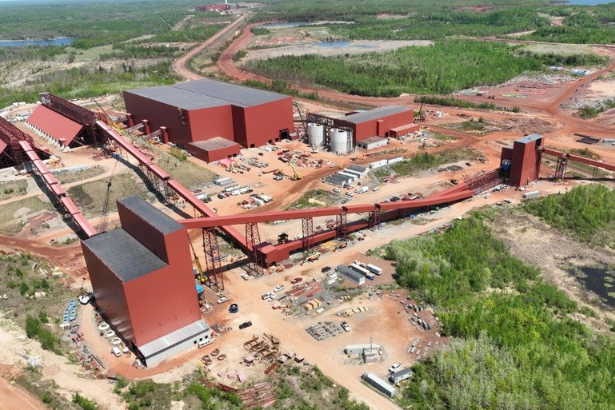
The company’s Minnesota operation is located on the Mesabi Iron Range and is designed to produce high-grade iron ore pellets. The Iowa facility would then use iron ore from Minnesota, alongside recycled scrap steel, as feedstock for electric arc furnace steelmaking.
Mesabi Metallics describes the project as a fully integrated operation in which material would be mined in Minnesota, transported to Iowa and converted into steel for American manufacturers.
The company’s announcement says the combined investment represents the largest single investment in a steel complex in U.S. history. That characterization is a company claim about the project’s investment scale, rather than an independently established ranking.
The location also has an important logistics component.
The planned eastern Iowa site provides access to the Mississippi River, while the company’s plans call for Minnesota iron ore to move toward the Iowa steel complex through the regional transportation network.
That creates a manufacturing chain linking mining, rail and river transportation, steelmaking and downstream industrial customers.
Latest Update or News Breakdown
A $15 billion Iowa steel complex
Mesabi Metallics announced the Iowa project on September 28, 2026, describing it as a $15 billion investment in a new steelmaking complex.
The announcement was made at the White House alongside company executives and government officials.
Mesabi Metallics: $18 Billion Minnesota-Iowa Steel Investment says the overall $18 billion investment includes approximately $15 billion for the Iowa facility and about $3 billion for completion of the Minnesota mine and pellet plant.
Reuters separately reported that the proposed plant would initially have annual production capacity of 7.5 million tons, with later additions potentially raising capacity to approximately 10 million tons per year.
Reuters: Trump unveils $15 billion planned Iowa steel project
The mine-to-mill connection
One of the most important aspects of the project is that the steel complex is not being developed as an isolated factory.
Mesabi Metallics plans to supply the Iowa plant with iron ore from its Minnesota operation.
The company says its Minnesota mine and pellet plant represent the first new U.S. iron ore mine and pellet plant to begin operating in 50 years. EXIM Bank says the operation is expected to produce up to 7 million tons per year of high-grade direct-reduction-grade iron ore pellets at full capacity.
The connection between the two facilities could give the company greater control over an important part of its steelmaking supply chain.
Instead of purchasing all of its iron-bearing feedstock from outside suppliers, the company intends to connect its own mine with its own steelmaking operation.
That is the central industrial idea behind the project.
Electric arc furnaces are central to the design
The proposed Iowa facility is expected to use electric arc furnace, or EAF, technology.
EAFs use electricity to melt steel feedstocks, including scrap steel and suitable iron products.
Mesabi Metallics says the Iowa complex will use Minnesota iron ore alongside recycled scrap steel in its EAF steelmaking process.
The technology is already widely used in U.S. steelmaking and can provide manufacturers with flexibility in the types of metallic inputs they use.
For Mesabi Metallics, the planned combination of Minnesota iron ore and recycled scrap would create a different model from a traditional blast-furnace-based operation.
Production could reach 10 million tons
The first phase is planned for approximately 7.5 million tons of steel per year.
Future development could increase that figure to around 10 million tons annually.
For context, the proposed capacity is large enough to make the project significant to the U.S. steel market even before any potential expansion.
The facility is currently expected to begin steel production in 2030.
That timeline also means the project’s immediate economic impact will come primarily from construction, engineering, equipment procurement and supporting infrastructure rather than steel production itself.
Expert Insights or Analysis
The most interesting part of the Iowa steel plant story is not simply the $15 billion price tag.
It is the attempt to build a connected domestic industrial chain.
Steel production depends on reliable access to iron-bearing materials. By linking the Iowa steel complex with a Minnesota mine, Mesabi Metallics is attempting to integrate upstream mining with downstream steel production.
That could provide several potential advantages.
More control over raw materials
Steelmakers are exposed to fluctuations in raw-material prices and availability.
An integrated mine-to-mill structure gives a producer more direct control over one part of that equation.
EXIM Bank says the Minnesota operation will produce direct-reduction-grade iron ore pellets, a material used as feedstock in modern steelmaking. The bank says much of this type of material is currently imported into the United States.
A new domestic production chain
Mesabi Metallics describes the project as a supply chain in which iron ore is mined in Minnesota and transformed into steel in Iowa.
That could connect mining jobs, transportation companies, construction contractors, steelworkers, equipment suppliers and downstream manufacturers across multiple Midwestern states.
The company estimates that the broader project will create more than 8,000 permanent and construction jobs, while its Iowa-specific plans call for more than 6,000 construction jobs and approximately 1,750 permanent positions once the plant is operating.
These are company projections, so actual employment will depend on construction progress, investment execution and eventual plant operations.
Why logistics matters
Moving millions of tons of iron ore from Minnesota to Iowa requires a dependable transportation network.
That makes rail and river infrastructure an important part of the project’s economics.
The eastern Iowa location provides access to the Mississippi River, while Mesabi’s plan involves moving Minnesota ore toward the steel complex.
The project therefore has implications for more than steelmaking.
It could generate additional demand for:
- Rail freight
- Barging
- Industrial warehousing
- Heavy equipment
- Construction materials
- Maintenance services
- Energy infrastructure
- Industrial logistics
- Engineering and automation services
Broader Implications
The Iowa steel plant could become an important case study in how U.S. manufacturing companies are rebuilding integrated industrial supply chains.
Automotive manufacturing
Steel is a fundamental input for vehicle manufacturing.
A large domestic steelmaking operation could potentially supply automotive manufacturers with additional U.S.-produced material.
The project itself identifies automotive manufacturing as one of the industries it expects its steel to support.
Infrastructure
Bridges, transmission infrastructure, industrial facilities and other major construction projects require large quantities of steel.
Mesabi Metallics says its planned output could serve infrastructure, energy, grid modernization and other industrial applications.
Defense and shipbuilding
Steel is also an important material for defense-related manufacturing and shipbuilding.
Mesabi lists national defense and shipbuilding among the potential markets for steel from the Iowa complex.
The exact customers and supply agreements for the proposed plant have not been publicly established in the sources reviewed for this article.
Midwest manufacturing
The project could also have a regional effect.
Minnesota supplies the iron ore.
Iowa provides the planned steelmaking location.
Railroads and river transportation connect the two.
Downstream manufacturers could then use the steel in additional industrial processes.
That creates the potential for a wider Midwest manufacturing ecosystem around the project.
Internal link suggestion: How U.S. Manufacturing Is Rebuilding Domestic Supply Chains
Related History or Comparable Technologies
The U.S. steel industry has undergone major technological and structural changes over several decades.
Traditional integrated steel mills generally relied heavily on blast furnaces and large-scale processing systems that convert iron ore into molten iron before producing steel.
Electric arc furnaces operate differently.
They use electricity to melt metallic feedstocks, including steel scrap and certain iron products.
The planned Iowa complex is designed around EAF technology while also incorporating iron ore from Mesabi Metallics’ Minnesota operation.
That combination is notable because it links a modern steelmaking technology with newly produced domestic iron ore.
The project also reflects a broader trend toward vertical integration.
Instead of treating mining, raw-material processing and steelmaking as separate businesses, the proposed operation connects them through a single corporate structure.
The objective is to create a more integrated path from raw material to finished industrial product.
What Happens Next
The biggest question now is execution.
A project of this scale requires substantial engineering, financing, permitting, construction and infrastructure development before steel production can begin.
Mesabi Metallics says steel production is expected to start in 2030.
Several milestones will be worth watching over the next few years.
Construction
The development of the Iowa site will be one of the earliest visible indicators of progress.
The company expects construction to generate more than 6,000 jobs.
Minnesota mine production
The Iowa project depends on the upstream Minnesota operation.
EXIM Bank says the Minnesota mine and pellet plant are expected to produce up to 7 million tons per year of high-grade iron ore pellets at full capacity.
Transportation infrastructure
Moving material between Minnesota and Iowa will require reliable rail and related logistics infrastructure.
The project’s mine-to-mill structure therefore makes transportation performance a critical part of its eventual economics.
Steelmaking capacity
The first phase is planned for 7.5 million tons of annual steel production, with potential expansion to approximately 10 million tons.
Whether the facility reaches its planned capacity will depend on construction, commissioning and market conditions.
Downstream customers
Another major milestone will be identifying the manufacturers that ultimately purchase the steel.
Automotive, infrastructure, energy, defense and other industrial customers could become important markets, but the sources reviewed do not establish a definitive customer list.
Conclusion
The proposed Iowa steel plant is much more than a new factory.
The $15 billion Iowa project is designed as the downstream component of an approximately $18 billion Minnesota-Iowa investment, connecting a Minnesota iron ore operation with an electric arc furnace steelmaking complex in eastern Iowa.
The planned facility is expected to begin with approximately 7.5 million tons of annual steel capacity and could eventually reach about 10 million tons. Construction is expected to create thousands of jobs, while the completed operation is projected to employ roughly 1,750 people.
The project also puts logistics at the center of modern manufacturing. Iron ore needs to move from Minnesota to Iowa, steel needs to reach customers, and rail and river infrastructure will connect the different stages of the supply chain.
The next several years will determine whether the ambitious plans translate into a functioning large-scale steel operation.
For the U.S. manufacturing sector, the project offers a closely watched example of how mining, transportation, energy, automation and steelmaking can be combined into one domestic industrial network.
FAQ
1. What is the Iowa steel plant project?
The Iowa steel plant is a planned $15 billion steelmaking complex from Mesabi Metallics in eastern Iowa. It is part of an approximately $18 billion investment connecting the company’s Minnesota iron ore operation with steel production in Iowa.
2. Where will the Iowa steel plant be located?
The planned facility will be built in eastern Iowa’s Lee County, according to Iowa officials and the project’s announcements.
3. How much steel will the Iowa plant produce?
The first phase is planned to produce approximately 7.5 million tons of steel annually, with potential future expansion to around 10 million tons per year.
4. When will the Iowa steel plant begin production?
Steel production is currently expected to begin around 2030.
5. Where will the plant get its iron ore?
Mesabi Metallics plans to supply the Iowa steel complex with iron ore from its mine on Minnesota’s Mesabi Iron Range.
6. Will the Iowa steel plant use electric arc furnaces?
Yes. Mesabi Metallics says the planned Iowa complex will use electric arc furnace technology, processing Minnesota iron ore alongside recycled scrap steel.
7. How many jobs could the project create?
Mesabi Metallics expects the Iowa construction phase to create more than 6,000 construction jobs and the completed facility to employ approximately 1,750 people. These are company projections.
8. Why is the project important for U.S. manufacturing?
The project is designed to connect domestic iron ore mining with domestic steel production, potentially creating a more integrated U.S. supply chain for industries such as automotive, infrastructure, energy and other industrial sectors.
Sources & References
- Mesabi Metallics: Mesabi Metallics Investing $18 Billion to Create a Fully Integrated American Steel Company
- Reuters: Trump unveils $15 billion planned Iowa steel project
- Mesabi Metallics: Iowa Project
- EXIM Bank: It All Starts With Mining More in America
- Iowa Public Radio: Trump Announces $15B Steel Plant Coming to Eastern Iowa
- Iowa Governor: Nation’s Largest-Ever Steel Manufacturing Investment Coming to Iowa