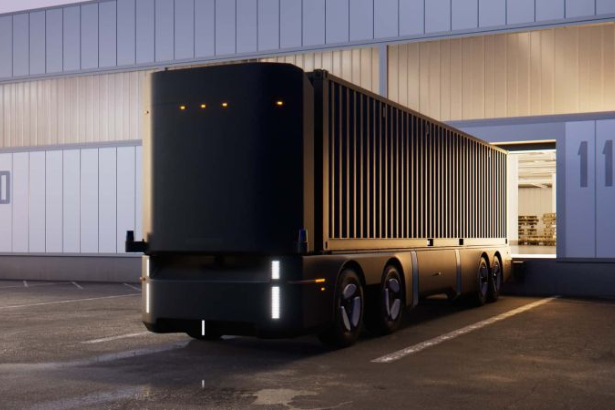
Humble Hauler freight is making waves in the autonomous logistics space, having emerged from stealth with a substantial $24 million in funding. This bold move by Humble Robotics, led by CEO Eyal Cohen, marks a pivotal moment for the industry, offering a fully autonomous, cabless electric hauler designed specifically for freight movement. The company aims to revolutionize how goods are transported between docks, leveraging fixed routes and advanced technology to optimize efficiency.
Humble Hauler Freight: The Future of Logistics
The introduction of Humble Hauler freight signifies a significant step forward in logistics innovation. Unlike traditional freight vehicles, this autonomous hauler operates without a cab, focusing on environments like container terminals and warehouses. This design not only reduces the overall vehicle footprint but also enhances safety by limiting human interaction in potentially hazardous environments. The Humble Hauler’s unique flat platform architecture enables it to transport various cargo bodies, making it a versatile solution for logistics companies aiming to streamline their operations.
Eyal Cohen, who has a storied history in the autonomous vehicle sector, underscores the strategic focus of Humble Robotics. “We are dedicated to creating a solution that optimizes dock-to-dock freight movement,” Cohen explains, drawing on his experiences with industry pioneers Otto and Pronto. His vision is clear: develop technology that not only meets current demands but anticipates future needs in autonomous freight transportation.
With the logistics sector constantly pressured to deliver faster and more efficiently, the Humble Hauler could be a shift. The vehicle’s ability to operate on fixed routes removes many of the unpredictable elements of freight transport, paving the way for more reliable schedules and reduced downtime. As logistics companies increasingly turn to technology to solve complex challenges, Humble Robotics’ offerings are poised to lead the way.
The Technology Behind Humble Hauler Freight
The Humble Hauler freight system integrates advanced sensor technologies to navigate its environment effectively. Utilizing a combination of cameras, radar, and LiDAR, the vehicle can perceive its surroundings with precision. This sensor suite is critical in environments such as docks and terminals, where obstacles and tight spaces are common. By leveraging this technology, Humble Robotics ensures that their vehicles can operate in these challenging settings without human intervention.
Moreover, the vehicle’s electric powertrain underscores the company’s commitment to sustainability. As industries globally shift towards greener practices, Humble Robotics aligns with this trend by reducing emissions associated with freight transportation. The move to electric vehicles in logistics not only supports environmental goals but also promises cost savings in the long run through reduced fuel consumption and maintenance.
Another key aspect of the Humble Hauler’s design is its adaptability. The flat platform can accommodate a variety of cargo types, making it a versatile asset for companies dealing with diverse shipping needs. This flexibility allows businesses to optimize their fleet usage by deploying the same vehicle for different types of freight, further enhancing operational efficiency.
Market Demand for Autonomous Freight Solutions
The demand for autonomous freight solutions like Humble Hauler freight is on the rise, driven by several factors. Increasing e-commerce activity has put pressure on logistics networks to enhance speed and efficiency. Autonomous vehicles offer a viable solution by providing consistent, around-the-clock operations that traditional human-driven vehicles cannot match. Companies looking to sustain competitiveness in this rapidly evolving market are exploring autonomous options as a strategic imperative.
Furthermore, the labor market dynamics are contributing to this shift. With a persistent shortage of truck drivers, especially in regions like the United States, adopting autonomous vehicles can alleviate staffing challenges. This technological approach not only augments current labor resources but also opens up new operational possibilities.
Humble Robotics is tapping into a burgeoning market that sees the adoption of technology as a necessary evolution. As the company continues to refine its offerings, we can expect further integration of AI and machine learning to optimize routing, enhance safety, and deliver data-driven insights for logistics operators.
Challenges and Considerations in Autonomous Freight
While the promise of Humble Hauler freight is substantial, the path to widespread deployment is not without challenges. Regulatory hurdles present a significant barrier, as different regions have varying standards and policies governing autonomous vehicles. Navigating this regulatory landscape requires strategic partnerships and a deep understanding of local laws.
Safety remains a paramount concern as well. Ensuring that autonomous systems can handle unexpected events with the same reliability as a human driver is critical. Humble Robotics has invested heavily in testing and validation to meet these safety standards. However, gaining public trust will require an ongoing commitment to transparency and education about the technology.
Finally, the integration of autonomous vehicles into existing logistics networks poses its own set of hurdles. Companies must adapt their infrastructure and operations to accommodate these new systems. This transition involves upfront investment and potential disruptions, although the long-term benefits are expected to outweigh initial costs.
Humble Robotics’ Path Forward
Humble Robotics’ emergence in the autonomous vehicle market is strategically timed. With a solid foundation in place, the company’s future hinges on scaling up its production capabilities and expanding its market presence. By focusing on strategic partnerships, Humble Robotics aims to accelerate adoption and capitalize on the growing demand for autonomous freight solutions.
The company’s leadership, spearheaded by Eyal Cohen, plays a crucial role in navigating this competitive landscape. His experience with autonomous technology firms positions him to steer Humble Robotics towards success. As the company continues to develop and deploy its Humble Hauler, it will be critical to maintain momentum and adapt to emerging trends in logistics and technology.
Looking ahead, Humble Robotics is poised to explore international markets, where autonomous logistics solutions are equally sought after. By leveraging its advanced technology and operational expertise, the company can extend its reach and influence in the global logistics industry. This forward-thinking approach ensures that Humble Robotics remains at the forefront of innovation in autonomous freight.
Broader Implications
The advancements made by Humble Robotics have broader implications for the logistics industry. As companies like Humble lead the charge, the shift towards autonomous freight solutions could redefine competitive dynamics within the sector. This potential for transformation highlights the importance of emerging technologies in shaping the future of logistics operations.
The implications extend beyond logistics. The technology underlying Humble Hauler freight has the potential to influence adjacent sectors such as warehousing, port operations, and even urban planning. The seamless integration of autonomous vehicles into these environments can significantly enhance efficiency and productivity.
For more insights on how technology is influencing industries across the board, explore our articles at The Tech Marketer. Here, we look at the latest developments that are reshaping how businesses operate and compete in a rapidly evolving marketplace.
Latest Updates
TechCrunch reports that Humble Robotics recently emerged from stealth with significant funding, signifying renewed interest in autonomous vehicle technology. This development highlights the growing investment in autonomous freight as a critical component of modern logistics.
According to IAA TRANSPORTATION, the Humble Hauler’s innovative design—lacking a traditional cab—makes it a standout player in the autonomous vehicle space. Its deployment is targeted at environments where traditional vehicles face operational challenges.
Insights from McKinsey & Company underline the broader industry trends, noting significant advancements in autonomous vehicle technology, including widespread adoption in the form of robo-taxis and autonomous trucks, which are shaping the future of mobility on a global scale.
FAQ
What is Humble Hauler freight?
Humble Hauler freight refers to a fully autonomous, cabless electric hauler developed by Humble Robotics for efficient dock-to-dock freight transport. This vehicle is designed to operate in environments like container terminals and warehouses, offering a modern solution for logistics challenges.
How does Humble Hauler freight work?
The Humble Hauler freight system uses advanced sensor technologies, including cameras, radar, and LiDAR, to navigate its environment autonomously. Its flat platform design allows for transporting various cargo types, making it adaptable and efficient for logistics operations.
What are the benefits of using Humble Hauler freight?
Benefits of Humble Hauler freight include improved safety, reduced operational costs, and enhanced reliability in freight transport. By operating autonomously on fixed routes, the system minimizes human error and optimizes logistics efficiency, meeting the growing demands of the industry.
Who is behind Humble Hauler freight?
The Humble Hauler freight was developed by Humble Robotics, led by CEO Eyal Cohen. Cohen has extensive experience in the autonomous vehicle sector, having previously worked with industry leaders Otto and Pronto. His vision drives the company’s innovation in autonomous logistics solutions.
What challenges does Humble Hauler freight face?
Humble Hauler freight faces challenges such as navigating regulatory landscapes, ensuring safety, and integrating with existing logistics infrastructure. Addressing these obstacles is crucial for widespread adoption and operational success.
Sources and References
TechCrunch: Autonomous Vehicle Hype Is Back, and Humble Robotics Is Bringing It to Freights
IAA TRANSPORTATION: US Startup Humble Robotics Develops Autonomous Electric Truck Without a Cab