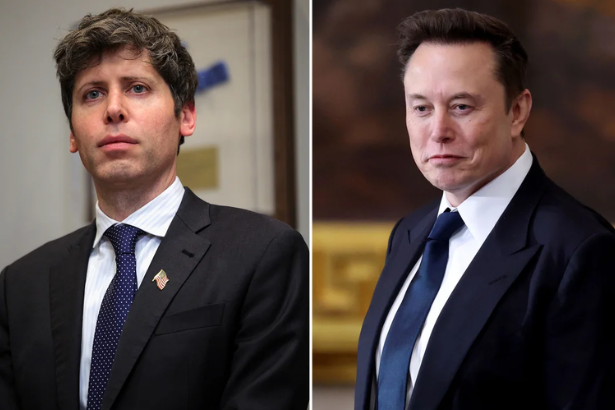
The Elon Musk OpenAI lawsuit dismissed 2026 verdict arrived on May 18 — and it arrived fast. A federal jury in Oakland, California took less than two hours to unanimously dismiss all claims in Musk’s lawsuit against Sam Altman, Greg Brockman, and OpenAI. The jury found that Musk’s claims were filed outside the three-year statute of limitations, and Judge Yvonne Gonzalez Rogers immediately adopted the advisory jury’s verdict. The court never ruled on whether Altman actually broke a founding promise to keep OpenAI structured as a nonprofit. The merits of that allegation were rendered legally moot before a single piece of evidence on the substance was weighed. Musk has vowed to appeal.
The Verdict: Statute of Limitations, Not the Merits
The most important thing to understand about the Elon Musk OpenAI lawsuit dismissed 2026 verdict is what it did not decide. The jury concluded that Musk had three years to file his lawsuit but failed to do so within the required timeframe. The court did not rule on whether the promise existed or was violated — the timing issue rendered the substantive claims legally moot before any evidence on the merits was weighed.
That distinction matters enormously for how both sides can characterize the outcome. OpenAI can say the lawsuit was dismissed. Musk can say the merits were never tested. Both statements are technically accurate. The jury did not find that Altman kept his promises. It found that Musk waited too long to sue over them. Whether those are the same thing is exactly the question Musk’s lawyers will bring to the appeals court.
Judge Gonzalez Rogers told the jury there was “a substantial amount of evidence to support the jury’s finding, which is why I was prepared to dismiss on the spot.” She adopted the advisory jury’s verdict immediately upon its return.
The Case: What Musk Was Alleging
The Elon Musk OpenAI lawsuit dismissed 2026 trial had its roots in the founding of OpenAI in 2015. Musk co-founded the organization and contributed $38 million in its early years through an intermediary. His 2024 lawsuit accused Altman and Brockman of breaking a foundational promise to keep OpenAI structured as a nonprofit dedicated to the public benefit — and of shifting the organization into moneymaking mode behind his back.
Musk wanted control of OpenAI, but the others disagreed and he left the board in 2018. OpenAI established a for-profit arm in 2017 to raise money and attract researchers competitive with commercial AI labs. The 2017 internal emails from Greg Brockman — in which he privately acknowledged they were not committed to the nonprofit structure — were among the most discussed pieces of evidence in the pre-trial period. Those emails were never weighed by the jury because the trial ended on procedural grounds before reaching them.
Musk had sought to oust Altman from his leadership position and sought damages for the alleged breach of charitable trust. He also named Microsoft as a co-defendant for its multi-billion-dollar investment in OpenAI, though one Microsoft claim had been dismissed before trial.
OpenAI’s Argument: A Competitive Weapon, Not a Good Faith Suit
OpenAI’s legal strategy throughout the trial was to reframe Musk’s charitable mission argument as a cynical competitive weapon deployed by the founder of xAI — a direct ChatGPT competitor.
“It’s too late now to gin up something to harm a competitor,” said OpenAI’s lead lawyer William Savitt during his opening arguments. OpenAI had warned investors to expect “deliberately outlandish” claims from Musk during the trial, framing the entire litigation as a bad-faith effort by a market rival to impose legal costs and reputational damage on the company it was losing ground to commercially.
The competitive motive argument is factually grounded. Musk founded xAI in 2023, whose Grok model competes directly with OpenAI’s ChatGPT. The financial incentive behind the litigation was a consistent theme that OpenAI’s lawyers leaned on throughout, and the jury’s rapid two-hour deliberation suggests they found the statute of limitations argument straightforward enough not to require extended debate.
Musk’s Response: “Stealing a Charity”
Elon Musk’s response to the verdict came on X — his own platform — within hours of the jury’s return. “Regarding the OpenAI case, the judge and jury never actually ruled on the merits of the case, just on a calendar technicality,” Musk wrote. “There is no question to anyone following the case in detail that Altman and Brockman did in fact enrich themselves by stealing a charity. The only question is WHEN they did it!”
That framing — characterizing a statute of limitations dismissal as a “calendar technicality” that avoided the real question — is the legal argument Musk’s team will need to build into a viable appeal. For the appeal to succeed, Musk’s lawyers would need to convince the Ninth Circuit that the lower court incorrectly calculated when the statute of limitations clock started running — specifically that Musk could not reasonably have known about the alleged breach until later than the court concluded he did. That is not an impossible argument, but it is a narrow one.
The Counter-Suit: OpenAI Is Still Coming for Musk
The Elon Musk OpenAI lawsuit dismissed 2026 verdict resolves only one direction of the legal conflict. Shortly after Musk filed his original suit, OpenAI counter-sued him, accusing Musk of waging a bad-faith legal campaign as a competitive weapon. That counter-suit remains active. The jury’s verdict on May 18 disposed of Musk’s claims — it did not touch OpenAI’s claims against Musk, which will proceed separately.
The counter-suit contains its own significant allegations — specifically that Musk’s litigation was designed to damage OpenAI’s fundraising, partnerships, and recruitment rather than to vindicate any genuine legal right. If that case proceeds to trial, Musk would be the defendant rather than the plaintiff, and the evidentiary focus would shift from what OpenAI promised to what Musk intended when he filed the original lawsuit.
The xAI Trade Secrets Suit: Also Dismissed
The May 18 verdict was not the only legal setback Musk suffered in the AI courtroom wars this week. A separate lawsuit filed by xAI against OpenAI — alleging that OpenAI orchestrated a scheme to poach eight xAI employees in 2025 to steal trade secrets and source code — was dismissed by U.S. District Judge Rita Lin, who stated that xAI failed to prove any misconduct by OpenAI.
OpenAI’s Chief Strategy Officer Jason Kwon responded on X: “This entire frivolous claim is just an extension of his ‘0% chance of success’ dig when he left OpenAI. The fact that we don’t care about his trade secrets doesn’t register.” Two separate courts dismissing two separate Musk-vs-OpenAI lawsuits in the same week is a legal record that is difficult to characterize as anything other than a comprehensive defeat across both fronts of the litigation campaign.
What the Dismissal Means for OpenAI’s IPO
The Elon Musk OpenAI lawsuit dismissed 2026 verdict removes the last major litigation cloud over OpenAI’s planned public offering. OpenAI is approaching a $730 billion pre-funding valuation and has targeted a public market debut before the end of 2026, according to reporting ahead of the verdict.
An active, high-profile trial alleging that OpenAI’s CEO stole a charity would have been a significant disclosure burden and reputational risk in any IPO prospectus. The dismissal — particularly one that came after trial opened and was resolved without touching the merits — provides a cleaner legal history than a settlement or a hung jury would have. The counter-suit against Musk remains a disclosure item, but its posture (OpenAI as plaintiff rather than defendant) is far less damaging to investor confidence.
Broader Implications: The Musk-Altman War and What Comes Next
The Elon Musk OpenAI lawsuit dismissed 2026 verdict is a decisive tactical defeat for Musk in the legal dimension of his conflict with OpenAI and Sam Altman — but the broader war continues. xAI and ChatGPT remain direct competitors. Musk continues to publicly characterize OpenAI as a compromised institution. OpenAI’s counter-suit will eventually require Musk to defend his own intentions in a courtroom. And the Ninth Circuit appeal, if Musk’s team files it as promised, will give the merits question one more airing at the appellate level.
The most significant long-term consequence of the verdict may be what it signals about the viability of using charity law to challenge AI company governance decisions. Multiple state attorneys general — including California’s — are pursuing their own investigations into OpenAI’s for-profit conversion. Those investigations are independent of Musk’s lawsuit and proceed regardless of the Oakland verdict. For more on the biggest stories in AI, law, and technology, visit The Tech Marketer.
Latest Updates
The Elon Musk OpenAI lawsuit was dismissed May 18, 2026. Here is where to follow the full coverage:
- The Verge has the full podcast analysis of why the Elon Musk Sam Altman OpenAI suit loss was ultimately pointless — covering the statute of limitations outcome, the counter-suit implications, and what the verdict means for both companies going forward. Read more at The Verge
- NPR has the complete trial verdict report including Judge Gonzalez Rogers’ immediate adoption of the advisory jury’s verdict, Musk’s full X post response, Altman and Brockman’s arrival at the courthouse, and the OpenAI founding history context. Read more at NPR
- Time has the full analysis of how the failed OpenAI lawsuit underscores xAI’s broader struggles — including the two-hour deliberation, William Savitt’s competitive weapon framing, and the context of OpenAI’s $730 billion valuation approaching IPO. Read more at Time
FAQ: Elon Musk OpenAI Lawsuit Dismissed 2026
1. Why was Elon Musk’s OpenAI lawsuit dismissed? A federal jury in Oakland dismissed all claims in Elon Musk’s lawsuit against OpenAI and Sam Altman on May 18, 2026, on statute of limitations grounds — finding that Musk had three years to file his claims but failed to do so within the required timeframe. The jury took less than two hours to reach a unanimous verdict. Judge Yvonne Gonzalez Rogers immediately adopted the advisory jury’s finding.
2. Did the jury rule on whether OpenAI broke its nonprofit promise? No. The court never ruled on whether Altman and Brockman broke a foundational promise to keep OpenAI structured as a nonprofit. The statute of limitations finding rendered the substantive claims legally moot before any evidence on the merits was weighed. Musk characterized this as a “calendar technicality” in his X post response and vowed to appeal.
3. What was Elon Musk’s lawsuit against OpenAI about? Musk co-founded OpenAI in 2015 and contributed $38 million in its early years. His 2024 lawsuit accused Sam Altman and Greg Brockman of breaking a foundational promise to keep OpenAI as a nonprofit dedicated to the public benefit. He alleged they shifted the organization into a for-profit structure behind his back and unjustly enriched themselves. He sought to oust Altman from leadership and claimed damages for breach of charitable trust.
4. Is Elon Musk done fighting OpenAI in court? No. Musk has vowed to appeal the May 18 verdict to the Ninth Circuit. Additionally, OpenAI’s counter-suit against Musk — accusing him of waging a bad-faith legal campaign as a competitive weapon — remains active and will proceed separately. A separate xAI lawsuit against OpenAI over trade secrets was also dismissed the same week by a different judge.
5. What does the dismissal mean for OpenAI’s IPO? OpenAI is approaching a $730 billion pre-funding valuation and has targeted a public market debut before the end of 2026. The lawsuit’s dismissal removes the last major active litigation cloud over the company’s IPO timeline. The counter-suit against Musk remains a disclosure item but positions OpenAI as plaintiff rather than defendant, which is significantly less damaging to investor confidence.