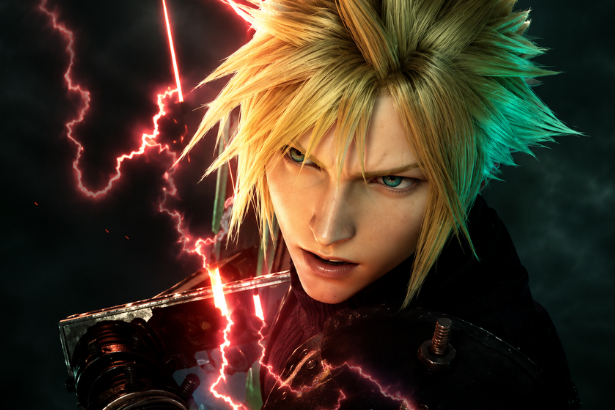
Final Fantasy Resonance was revealed at the Nintendo Direct on June 9, 2026, and it carries a distinction that no other game in the franchise has held: it is the first Final Fantasy title to use the HD-2D art style, the modern-retro visual technique that Square Enix has used for Dragon Quest III, Dragon Quest I & II, Octopath Traveler, and Triangle Strategy. The game launches October 22, 2026 on PlayStation 5, Nintendo Switch, Nintendo Switch 2, Xbox Series X/S, and PC. It is based on the story of the first arc of Final Fantasy Brave Exvius, the long-running mobile RPG that was shuttered in 2025, and features appearances from iconic Final Fantasy characters including Cloud Strife and Tidus.
What Is Final Fantasy Resonance?
Final Fantasy Resonance is the first HD-2D Final Fantasy game, and it’s not a remake like the recent Dragon Quest ones, but rather a new(ish) series entry based on the first story arc of mobile game Final Fantasy Brave Exvius.
Square Enix described the game in its press release as a full-fledged console RPG experience built from the foundation of the Brave Exvius mobile game. “Far from just a direct port, it has been refined and extensively rebuilt as a full-fledged console-quality RPG experience,” Square Enix wrote.
The publisher promises that Resonance will be a celebration of both the classic and modern eras of Final Fantasy, featuring all the series hallmarks. Expect turn-based combat with a contemporary twist, airships, plenty of chocobos, and appearances from the likes of Cloud Strife and Final Fantasy X’s Tidus.
Why This Is a Historic Moment: The First HD-2D Final Fantasy
Square Enix has spent the last few years giving all sorts of games the lavish HD-2D treatment, from classic titles reimagined to brand new franchises. But for whatever reason it’s only now getting round to Final Fantasy.
The HD-2D engine, which combines detailed pixel art sprites with polygonal environments, depth-of-field effects, and cinematic lighting, was introduced with Octopath Traveler in 2018 and has become one of the most beloved art styles in modern JRPG development. Dragon Quest III HD-2D Remake validated it for classic franchise revivals. Dragon Quest I & II confirmed it could carry multiple entries simultaneously.
Final Fantasy Resonance is the first HD-2D Final Fantasy game. That distinction has been conspicuous for years, given how naturally the engine suits Square Enix’s flagship series. Every HD-2D announcement since Octopath Traveler has prompted speculation about whether a Final Fantasy entry would follow. The answer, confirmed June 9, is that it finally has.
The Brave Exvius Connection: Where the Story Comes From
The relationship between Final Fantasy Resonance and Final Fantasy Brave Exvius is the most nuanced aspect of the announcement.
Resonance is not quite a port of the mobile game, but that’s the foundation it’s built on. It’s an adaptation of the story and world from the first arc of Brave Exvius, a Final Fantasy-themed mobile game that was shuttered last year. It brought players on a typical Final Fantasy adventure complete with chocobos and airships, and included appearances from characters like Cloud, Tidus, and other iconic heroes from the series’ history.
Brave Exvius ran from 2015 to 2025, building an enormous story across multiple arcs. The first arc introduced the original characters Rain, Lasswell, and Fina alongside a supporting cast that became beloved by the mobile game’s community. Square Enix is using that story and world as the foundation for Resonance, meaning players who spent years with the mobile game will recognize the story while newcomers will encounter it as an original standalone RPG.
The “refined and extensively rebuilt” language from Square Enix’s press release is doing important work. Mobile RPGs, including Brave Exvius, are designed around session-based gameplay, gacha monetization, and stamina systems that are fundamentally incompatible with a premium console experience. The rebuilt version will need to restructure pacing, progression, and difficulty for a player who is paying once and expecting a complete experience.
Cloud, Tidus, and Chocobos: The Guest Characters Confirmed
One of Brave Exvius’s primary appeal factors was its roster of guest characters from Final Fantasy’s history, drawn from across the entire mainline series and spin-offs. That feature is carried over to Resonance.
The game features appearances from the likes of Cloud Strife and Final Fantasy X’s Tidus. The Brave Exvius mobile game’s guest character roster extended to Final Fantasy VII’s Cloud, VIII’s Squall, IX’s Zidane, X’s Tidus, XIII’s Lightning, and characters from nearly every numbered entry, alongside major Final Fantasy Tactics, Crisis Core, and other spin-off characters.
The extent to which the Resonance guest roster matches the full Brave Exvius character library has not been confirmed. Square Enix’s press release confirms Cloud and Tidus as the named examples, which implies significant guest character content rather than a stripped-down selection.
October 22 Release Date: What Platforms Is It On?
Final Fantasy Resonance launches on October 22, 2026, for PlayStation 5, PC, Switch, Switch 2 and Xbox Series X/S.
The simultaneous multiplatform release is notable given that the announcement happened inside a Nintendo Direct. Square Enix’s partnership with Nintendo on this announcement reflects the company’s recognition that the Nintendo Direct’s reach, particularly its Switch 2 audience, provides the most effective launch platform for an HD-2D RPG.
While it was specifically announced in a Nintendo Direct, when Final Fantasy Resonance comes out on October 22, it will also be available for PS5, Xbox Series X/S, and PC.
October 22 puts the game one week before the typical end-of-October RPG crowding and two weeks before the November holiday season begins. It is a well-chosen window that gives Resonance breathing room from competitive releases while still capturing the pre-holiday shopping momentum.
Turn-Based Combat With a Contemporary Twist: What to Expect
The combat system described in the press release balances franchise nostalgia with modern expectations.
Square Enix promises turn-based combat with a contemporary twist. The original Brave Exvius used a traditional Active Dimension Battle system inspired by classic Final Fantasy titles, with a twist around “espers” and elemental affinities. The console reconstruction is expected to adapt those systems for a more fluid, real-time turn management style similar to what Octopath Traveler and Live A Live brought to the HD-2D engine.
The IGN preview that Game Informer linked to, which represents the only hands-on coverage of the game available as of announcement day, is expected to detail exactly how the combat systems have been rebuilt for the console experience.
How Final Fantasy Resonance Compares to Octopath Traveler
The question every HD-2D RPG fan will ask is how Resonance fits into the ecosystem of HD-2D games Square Enix has built.
That shiny HD pixel art is really the big draw here, though, and if you’ve been hoping for Final Fantasy’s answer to the Octopath Traveler series, this might just be it.
Octopath Traveler and Octopath Traveler II are the benchmarks for HD-2D RPGs that are not direct remakes. Both games use the engine for original stories with new characters rather than reinterpreting existing franchise IP. Final Fantasy Resonance occupies a different position: it is Final Fantasy IP, featuring iconic characters and the series’ visual language, applied to the HD-2D treatment for the first time.
The competitive question is whether the Final Fantasy brand, combined with guest characters like Cloud and Tidus, delivers an experience that feels premium enough to justify the full console RPG price point compared to mobile alternatives that offered similar content for free with microtransactions.
What Final Fantasy Resonance Means for the Series
The Resonance announcement is a meaningful data point for the direction of the broader Final Fantasy franchise in 2026.
Square Enix is simultaneously developing Final Fantasy VII Revelation, the third entry in the Final Fantasy VII Remake trilogy, and Final Fantasy Resonance, two very different products addressing very different audiences. Revelation is a cinematic action RPG with a massive budget and a decade of fan anticipation. Resonance is a premium HD-2D RPG built from a mobile foundation, targeting a more classically-minded JRPG audience.
The diversification reflects Square Enix’s recognition that “Final Fantasy” means different things to different generations of fans. A player who fell in love with FF through Final Fantasy VI or IX will respond very differently to an HD-2D pixel art RPG than a player who first encountered the series through Final Fantasy VII Remake. Both products are Final Fantasy. Both serve legitimate audiences. The franchise is large enough to carry them simultaneously.
Latest Updates
Final Fantasy Resonance was announced at the Nintendo Direct on June 9, 2026. Game Informer confirmed the October 22 launch date, the Brave Exvius story foundation, the multiplatform release including PS5, Xbox Series X/S, Switch, Switch 2, and PC, and the confirmed appearance of Cloud and Tidus as guest characters. Engadget confirmed that Final Fantasy Resonance is the first HD-2D Final Fantasy game and that Square Enix describes it as “refined and extensively rebuilt” from the mobile source material. Square Enix’s official press release confirmed the full announcement language and emphasized the celebration of both classic and modern eras of the franchise.
Full sources: Square Enix Press Hub | Game Informer | Engadget
Broader Implications
Final Fantasy Resonance’s announcement closes a gap that HD-2D fans have been noting for eight years. Square Enix had the engine, the franchise, and the audience for a Final Fantasy HD-2D game from the moment Octopath Traveler proved the concept. The delay in bringing the engine to Final Fantasy appears to have been a combination of timing, available source material, and the technical challenge of rebuilding a mobile RPG for premium console standards.
The Brave Exvius foundation is both the game’s greatest asset and its biggest risk. The mobile game has a passionate existing community who will bring their attachment to the original story and characters to the console version. But Brave Exvius also carries a decade of mobile-game associations that the “rebuilt” press release language is explicitly trying to distance the console version from.
October 22 will be the day the market answers the question: is there a Final Fantasy audience that wants HD-2D as much as it wants the Remake series? The answer will shape Square Enix’s HD-2D pipeline for years.
For more gaming coverage and Final Fantasy news, visit The Tech Marketer.
Frequently Asked Questions
1. What is Final Fantasy Resonance? Final Fantasy Resonance is the first Final Fantasy game to use Square Enix’s HD-2D art style, which combines detailed pixel art with 3D environments and cinematic lighting. It is based on the story of the first arc of Final Fantasy Brave Exvius, a mobile RPG shuttered in 2025, rebuilt as a full console RPG experience. It launches October 22, 2026 on PS5, Switch, Switch 2, Xbox Series X/S, and PC.
2. When does Final Fantasy Resonance release and what platforms? Final Fantasy Resonance releases October 22, 2026 on PlayStation 5, Nintendo Switch, Nintendo Switch 2, Xbox Series X/S, and PC. Despite being announced in a Nintendo Direct, it is a full multiplatform release available simultaneously on all current-generation platforms.
3. What is the connection between Final Fantasy Resonance and Final Fantasy Brave Exvius? Final Fantasy Resonance is built on the story and world of the first arc of Final Fantasy Brave Exvius, a mobile RPG that ran from 2015 to 2025. Square Enix describes it as “far from just a direct port,” stating it has been “refined and extensively rebuilt as a full-fledged console-quality RPG experience.” It features the original Brave Exvius characters Rain, Lasswell, and Fina alongside guest characters from the broader Final Fantasy series.
4. What Final Fantasy characters appear in Final Fantasy Resonance? Confirmed guest characters include Cloud Strife from Final Fantasy VII and Tidus from Final Fantasy X. The original Brave Exvius mobile game featured an extensive roster of guest characters from nearly every numbered Final Fantasy entry and major spin-offs. The full Resonance guest character roster has not been officially confirmed beyond those two examples.
5. Is Final Fantasy Resonance the same as Final Fantasy Brave Exvius? No. Final Fantasy Resonance uses Brave Exvius’s first story arc as its foundation but is not a direct port. Square Enix rebuilt it as a premium console RPG with HD-2D art, full turn-based combat designed for console play, and a structure appropriate for a paid standalone experience rather than a mobile free-to-play game with stamina systems and gacha monetization.