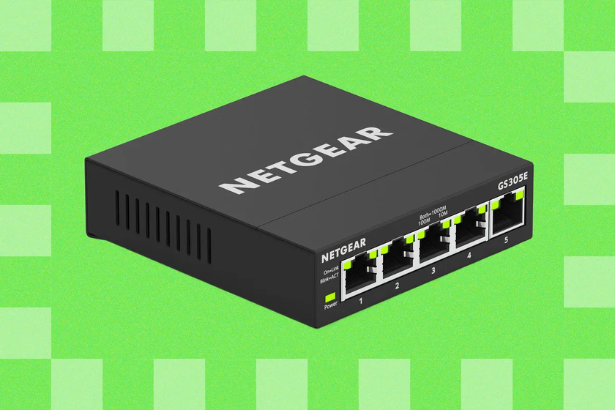
The best ethernet switches in 2026 span a wider range of speeds, port counts, and management features than any previous year, driven by the mainstream arrival of 2.5 Gigabit hardware, the explosion of Wi-Fi 6E access points that need wired backhaul, and the growing number of households running NAS devices, IP cameras, and smart home hubs that benefit from dedicated wired connections. Whether you are running a simple entertainment center setup, a full home office, or a complex smart home network, the right ethernet switch transforms a tangled mess of unreliable wireless connections into a fast, stable, and genuinely reliable home network backbone. This guide covers the best options across five categories: best overall, best for home networks, best for home offices, best for Power over Ethernet, and best for future-proofing with 2.5G speeds.
How to Choose the Right Ethernet Switch
Before reaching for a specific model, three decisions frame every ethernet switch purchase: how many ports you need, what speed you need, and whether you need management features.
Port count is the most straightforward. Count every device you plan to connect via ethernet, including gaming consoles, smart TVs, desktop PCs, NAS devices, access points, and streaming boxes, then add two or three extra ports for future expansion. For most families with a single entertainment center or small desk setup, a 5-port switch is sufficient. An 8-port switch is the sweet spot for most homes, handling the full range of wired devices without leaving ports unused. Sixteen or 24 ports suit extensive smart homes, home offices with multiple workstations, or anyone running a home media server alongside other wired infrastructure.
Speed is the second decision. Gigabit ethernet at 1,000 Mbps is still the right answer for the vast majority of home users. It handles 4K streaming, online gaming, video calls, and general internet use without any practical limitation. The only reasons to step up to 2.5 Gigabit are if you are regularly transferring very large files to a NAS, connecting a Wi-Fi 6E access point that supports 2.5G backhaul, or you want to future-proof for a multi-gigabit internet plan. Standard gigabit switches cost meaningfully less than 2.5G alternatives, and unless one of those specific use cases applies, the gigabit speed advantage is imperceptible in daily use.
Management is the third decision. Unmanaged switches are plug-and-play: connect the cables and the switch works, with no configuration required and no software to install. They are right for most home and home office setups. Managed or smart switches add features including VLAN segmentation, QoS traffic prioritization, port mirroring, and loop prevention, which matter in business environments or complex home networks where different types of traffic need to be isolated or prioritized.
Best Overall: TP-Link TL-SG108 8-Port Gigabit Unmanaged Switch
The TP-Link TL-SG108 has been the benchmark unmanaged gigabit switch for home use for several years, and it remains the best overall pick in 2026 because it does everything a home network switch needs to do without a single unnecessary complication. Eight gigabit ports, completely silent fanless operation, a compact metal chassis that fits on a desk or mounts to a wall, and a price point that makes it the easy answer when someone asks what ethernet switch to buy.
The TL-SG108 runs eight gigabit ports in a chassis small enough to sit behind a monitor or beside a router without drawing attention. It operates silently because it has no fan, making it suitable for bedroom setups, living rooms, and home offices where noise matters. Setup is literally plug cables in and it works: no app, no account, no configuration. The switch supports auto-negotiation across all ports, meaning it works with any ethernet device regardless of what speed that device supports, and it includes energy-efficient ethernet compliance that reduces power consumption when ports are idle.
Best for Simple Home Networks: NETGEAR GS105 5-Port Gigabit Switch
For a single entertainment center, desk, or home office corner with fewer than five devices to connect, the NETGEAR GS105 is the most reliable and most widely recommended compact switch in its category. Five gigabit ports, plug-and-play operation with zero configuration, quiet fanless design, and NETGEAR’s lifetime limited hardware warranty with next-business-day replacement make this a genuinely zero-maintenance addition to any setup.
The GS105 is backed by NETGEAR’s lifetime limited hardware warranty and includes 24/7 chat support, which is unusual for a device in this price range and reflects the company’s confidence in the hardware’s durability. User reviews consistently describe its build quality in terms that are rare for consumer networking equipment, with the metal chassis providing a density and solidity that makes cheaper plastic-bodied alternatives feel fragile by comparison. For anyone who wants to expand an entertainment center’s connectivity, add wired ports to a room where a router cannot reach, or simply get five reliable gigabit connections without spending significant money or time on setup, the GS105 is the correct answer.
Best for Home Offices: TP-Link TL-SG108PE V3 8-Port Managed PoE Switch
The TP-Link TL-SG108PE V3 is the best home office switch for anyone who wants managed features, PoE capability, and a web-based management interface that is actually approachable without a networking background. Eight gigabit ports in a metal chassis, support for VLAN segmentation, QoS traffic prioritization, port mirroring, cable diagnostics, loop prevention, and Link Aggregation, all managed through a clean web interface that does not require dedicated software installation.
The PoE capability on four of the eight ports allows the switch to power devices including IP cameras, wireless access points, VoIP phones, and other PoE-compatible hardware directly through the ethernet cable, eliminating the need for separate power adapters. For a home office setup that includes a wireless access point for a working-from-home setup, a network-attached storage device, and a security camera or two, the TL-SG108PE V3 handles all of it from a single switch with room to spare. The 3-year warranty and free TP-Link support round out a device that represents genuinely professional-grade network control at home office pricing.
Best for PoE Power: NETGEAR GS308EPP 8-Port PoE Switch
For setups with heavy PoE requirements, whether that is multiple high-power wireless access points for a whole-home Wi-Fi deployment or a collection of IP cameras throughout a property, the NETGEAR GS308EPP is the right choice. Its primary distinction is its PoE power budget, which is substantially higher than most competing 8-port PoE switches, allowing it to power demanding devices simultaneously without hitting the budget ceiling that causes cheaper PoE switches to reduce power delivery mid-session.
The GS308EPP is a smart managed switch, meaning it offers web-based management including VLAN, QoS, and port prioritization, while remaining approachable for home office users who are not professional network administrators. NETGEAR’s Insight cloud management platform is also compatible, allowing remote monitoring and configuration from a mobile app for users who want to manage their network without being physically present at the switch. The combination of high PoE budget, smart management features, and NETGEAR’s reliability track record makes this the strongest choice for power-hungry home installations.
Best for Future-Proofing: BrosTrend 8-Port 2.5G Ethernet Switch
The BrosTrend 8-Port 2.5Gb switch is the best choice for users who want to step beyond gigabit speeds without paying the premium that branded 2.5G switches from TP-Link or NETGEAR command. Eight 2.5 Gigabit ports deliver 2.5 times the bandwidth of standard gigabit switches, which matters specifically for NAS file transfers, Wi-Fi 6E access point backhaul, and any high-bandwidth application that benefits from moving data faster than 1,000 Mbps.
The practical difference between 1G and 2.5G is invisible for internet traffic in most homes, since even the fastest residential internet plans do not yet reach 2.5 Gbps in real-world throughput. Where 2.5G makes a genuine, measurable difference is on the local network: transferring a 50GB video project from a workstation to a NAS over 2.5G ethernet takes roughly 40% of the time it would take over standard gigabit, a difference that adds up quickly for anyone who works with large files regularly. The BrosTrend is an unmanaged switch, meaning it is plug-and-play with no configuration required, making it accessible to anyone who wants faster local network speeds without the complexity of managed switch administration.
The D-Link Slim Switch for Space-Constrained Setups
For installations where space is the primary constraint, the D-Link Slim Switch offers a wall-mountable, genuinely compact form factor that the standard desktop switches from TP-Link and NETGEAR cannot match. Its thin, lightweight chassis is designed specifically to mount in locations where a standard switch body would not fit cleanly, including narrow shelves, behind monitors, or in media cabinets with limited depth. Performance is standard gigabit across all ports, and the switch operates without fans for silent operation.
Latest Updates
WIRED published its comprehensive best ethernet switches guide for 2026, covering home, office, and specialized use cases across multiple form factors and speed tiers. Comms Express confirmed the top-performing NETGEAR switch lineup for 2026, including the GS308EPP’s PoE power budget advantage and the GS105’s lifetime warranty positioning. StrongMocha’s 2026 home office ethernet switch review confirmed the BrosTrend 8-Port 2.5Gb switch as the leading value-for-money option in the 2.5G category and the TP-Link TL-SG105 as the most reliable silent-operation gigabit switch for quiet home office environments.
Sources: WIRED | Comms Express / NETGEAR | StrongMocha
Broader Implications
The ethernet switch market in 2026 is in the middle of a transition that mirrors what happened to Wi-Fi hardware several years ago: the technology that was once considered future-proofing, in this case 2.5 Gigabit ethernet, is now affordable enough to appear in mainstream consumer switches without a significant price premium over standard gigabit hardware. For most buyers today, a gigabit switch remains the practical and cost-effective choice. But the gap between gigabit and 2.5G pricing has narrowed enough that anyone planning a network for a new home or undertaking a significant home office upgrade should at minimum evaluate whether 2.5G makes sense for their specific use case before defaulting to gigabit. For more consumer tech reviews and buying guides, visit thetechmarketer.com.
3. FREQUENTLY ASKED QUESTIONS
- What is the best ethernet switch for a home network in 2026?
The TP-Link TL-SG108 8-Port Gigabit Unmanaged Switch is the best overall ethernet switch for home networks in 2026. It offers eight gigabit ports, completely silent fanless operation, a compact metal chassis for desktop or wall mounting, and plug-and-play setup with no configuration required, all at a price point that makes it the default recommendation for most home networking needs.
- Do I need a managed or unmanaged ethernet switch for my home?
Most homes need an unmanaged switch. Unmanaged switches are plug-and-play with no configuration required and handle all standard home networking tasks including gaming, streaming, NAS access, and smart home devices. Managed or smart switches add features like VLAN segmentation and QoS traffic prioritization, which are primarily useful in business environments or complex home networks where different types of traffic need to be isolated or prioritized.
- Should I buy a gigabit or 2.5 Gigabit ethernet switch in 2026?
A gigabit switch is the right choice for most home users in 2026. It handles 4K streaming, gaming, video calls, and general internet use without any practical limitation. Step up to 2.5 Gigabit if you regularly transfer large files to a NAS, connect a Wi-Fi 6E access point that supports 2.5G backhaul, or have a multi-gigabit internet plan. The BrosTrend 8-Port 2.5Gb switch is the best value option in that category.
- What is a PoE ethernet switch and do I need one?
A PoE ethernet switch delivers power through the ethernet cable to connected devices, eliminating the need for separate power adapters. You need a PoE switch if you are connecting IP cameras, wireless access points, VoIP phones, or other PoE-compatible devices. The TP-Link TL-SG108PE V3 is the best home office PoE switch for most buyers, while the NETGEAR GS308EPP offers a higher PoE power budget for heavy multi-device setups.
- How many ports do I need on an ethernet switch?
Count every device you plan to connect via ethernet and add two or three extra ports for future expansion. A 5-port switch works for a single entertainment center or small desk setup. An 8-port switch is the sweet spot for most homes. Sixteen or 24 ports suit extensive smart homes, multi-workstation home offices, or media server setups.
4. SOURCES AND REFERENCES
- WIRED: Best Ethernet Switches 2026
- Comms Express: The 10 Best NETGEAR Switches for 2026
- StrongMocha: 4 Best Ethernet Switches for Home Office in 2026