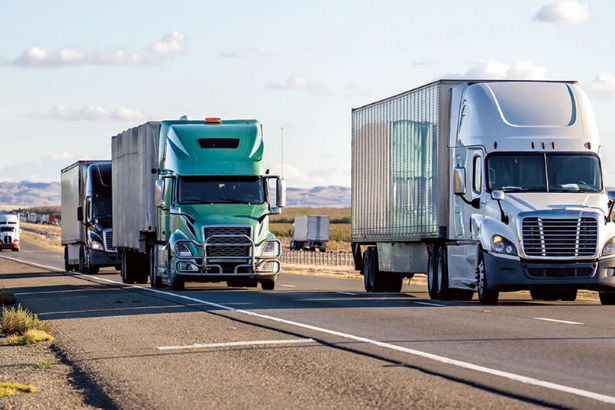
The 2027 truckload market outlook points to a challenging environment for U.S. shippers. Freight rates may moderate after the sharp increases seen in 2026, but a return to the unusually low prices of the previous freight cycle looks less likely. Tight trucking capacity, driver availability, aging equipment and higher carrier expenses are creating a stronger floor under transportation costs.
That is the central message from Arrive Logistics’ October market discussion and its 2027 Truckload Freight Forecast. The company expects spot rates to ease from their projected peak around the turn of the year, then stabilize at levels above the lows of the previous cycle. Contract rates are expected to hold up more firmly as the market adjusts.

Arrive Logistics
+1
For businesses moving goods across the United States, this is more than a question of whether rates rise or fall. It is about preparing for a market where pricing can change quickly, seasonal disruptions may have a greater impact, and relying on last year’s transportation budget could prove costly.
Background and Context: How the Truckload Market Reached This Point
Truckload freight moves a wide range of goods across the country, from retail inventory and food products to industrial materials and construction supplies. The market is shaped by two fundamental forces: freight demand and available trucking capacity.
When there are plenty of trucks available relative to the number of loads, shippers generally have more negotiating power. When capacity tightens, carriers can become more selective about the freight they accept, and transportation rates tend to rise.
The recent market cycle has been difficult for carriers. Years of weak pricing squeezed margins, making it harder for some fleets to maintain equipment, attract drivers and invest in growth. Meanwhile, operating expenses continued to climb.
Arrive’s analysis highlights the consequences: fewer available drivers, an aging tractor fleet and elevated operating costs are limiting the market’s ability to respond quickly when demand increases. Even if freight volumes remain relatively soft, reduced capacity can prevent rates from falling as far as they might have in earlier cycles.
Arrive Logistics
+1
This helps explain the difference between a conventional freight downturn and the current environment. Lower demand does not automatically translate into substantially cheaper shipping when the supply side of the market is already constrained.
Latest Update: What the 2027 Truckload Market Outlook Reveals
Arrive Logistics’ October 15 discussion brought together freight-market perspectives from Lee Klaskow, a Bloomberg Intelligence senior freight transportation and logistics analyst, and David Spencer, Arrive’s vice president of market intelligence. Their discussion focused on the balance between capacity, demand and transportation pricing as the industry moves into 2027.
Arrive Logistics
1. Freight rates may cool without returning to previous lows
Arrive’s forecast describes the current cycle as a rate correction rather than a collapse. Spot rates are projected to peak around January 2027, then ease modestly during the first quarter. The company expects rates to stabilize above the low points of the previous cycle.
That distinction matters for freight buyers. A decline in year-over-year rate growth does not necessarily mean transportation is becoming cheaper in absolute terms. If rates climbed sharply during 2026, a much smaller increase, or even a flat year-over-year comparison, can still leave shippers paying considerably more than they did during the market’s previous low.
Arrive’s forecast also suggests that the risks are uneven: rates could rise more than expected if demand improves unexpectedly or capacity tightens further.
Arrive Logistics
2. Driver availability remains a critical constraint
Trucking capacity depends on more than the number of registered vehicles. Carriers need qualified drivers, and regulatory enforcement can affect how many drivers are available to operate commercially.
Arrive’s October discussion points to enforcement-related driver exits as one of the factors shaping supply. The effect may persist because drivers who leave the industry do not necessarily return as soon as rates improve. Recruitment, qualification and retention take time.
Arrive Logistics
+1
For shippers, the implication is straightforward: a market that appears calm today may have less spare capacity than it seems. A sudden increase in freight volumes, severe weather or a seasonal shipping surge could therefore have an outsized effect on rates and service.
3. Carrier operating costs are putting a floor under prices
Carriers must cover wages, fuel, insurance, equipment, maintenance and financing. When these costs rise while freight prices remain depressed, fleets may delay purchases, reduce operations or exit the market.
Arrive’s forecast identifies driver wages, insurance expenses and aging equipment as important reasons the available capacity base may not expand quickly. Its analysis also notes that the average tractor fleet is aging, making replacement investment increasingly important.
Arrive Logistics
+1
This creates a difficult balancing act. Carriers need rates that support sustainable operations, while shippers need predictable transportation costs. If prices remain too low for carriers to reinvest, the industry may struggle to rebuild capacity even when demand begins to improve.
4. Demand remains uncertain
The outlook is not being driven by an obvious surge in freight demand. Arrive describes demand as comparatively soft, with several competing forces affecting shipment volumes.
Manufacturing activity and data-center construction have supported certain freight flows. On the other hand, higher borrowing costs, weak housing activity, uncertain consumer spending and changes in import timing may weigh on other parts of the market. Arrive also points to the possibility that freight brought forward ahead of expected disruptions could leave a quieter period later.
Arrive Logistics
+1
This makes forecasting harder. A modest improvement in demand could put significant pressure on a constrained trucking network. A sharper slowdown, meanwhile, could reduce pricing pressure even if capacity remains tight.
5. Fuel costs deserve a separate budget review
Diesel is a major expense for trucking companies, but fuel volatility affects both sides of the freight transaction. Carriers can face an immediate cash-flow squeeze when prices rise, while shippers may see the impact through fuel surcharges and all-in transportation costs.
Arrive’s October market update warns that elevated diesel prices could continue to influence freight economics into 2027. It also notes that fuel expenses can be particularly difficult for smaller carriers to absorb when there is a delay between paying for fuel and receiving payment for completed loads.
Arrive Logistics
Shippers should therefore avoid treating fuel as a minor adjustment to a linehaul forecast. It may need its own scenario analysis, especially for long-haul routes and networks with limited flexibility.
Expert Insights: What Shippers Should Take From the Forecast
The most useful takeaway from the 2027 truckload market outlook is that the market’s direction and its actual price level are two different things.
A forecast that shows slower rate growth may sound reassuring. But if the underlying rate base remains elevated, a shipper’s transportation budget can still face significant pressure.
Arrive’s published forecast points to three practical lessons.
First, plan for a higher rate floor. A budget built around a rapid return to previous-cycle lows may leave too little room for realistic carrier pricing.
Second, treat capacity as a strategic resource. Carriers that consistently provide dependable equipment, communication and service can be especially valuable when the market tightens. The lowest quoted rate is not always the lowest total cost if missed pickups, late deliveries or rejected tenders disrupt operations.
Third, build flexibility into forecasts. A base case is useful, but freight planning should also account for stronger demand, further capacity exits, weather disruption and higher fuel costs. Arrive’s forecast explicitly identifies additional demand or supply disruption as risks that could push rates above its central projection.
Arrive Logistics
These are market-planning implications, not guarantees. Actual rates will depend on lane, equipment type, shipment timing, contract terms and how supply and demand evolve.
Broader Implications: How Businesses Can Prepare for 2027
The next phase of the trucking market will affect more than freight procurement teams. Transportation costs influence inventory decisions, product margins, delivery promises and customer satisfaction.
For manufacturers, higher truckload costs can add pressure to the cost of moving raw materials and finished goods. Retailers may face tougher decisions about replenishment schedules and inventory positioning. Food and other temperature-sensitive shippers must also account for equipment availability and the consequences of delays.
Here are five steps businesses can take now.
1. Rework transportation budgets
Build a base forecast using current contract rates and expected shipment volumes. Then test higher-cost scenarios involving diesel spikes, tighter capacity or unexpected demand.
2. Review contracts before renewal season
Identify when key agreements expire, which lanes are most exposed to rate changes, and whether current contracts provide enough flexibility for volume fluctuations.
3. Identify vulnerable shipping lanes
Not all lanes behave the same way. Routes with limited carrier options, seasonal imbalances or strict delivery requirements may need additional attention.
4. Improve routing guide performance
When contracted carriers reject loads, shippers may need to purchase transportation on the spot market. Better forecasting, realistic lead times and regular carrier communication can help reduce avoidable routing guide failures.
5. Evaluate service alongside price
A dependable carrier relationship can help reduce operational surprises. Compare providers on more than quoted rates: consider tender acceptance, on-time performance, claims, communication and capacity commitments.
For related coverage, consider an internal article on freight cost management and logistics planning. Replace this suggested destination with the most relevant existing article URL on The Tech Marketer before publishing.
Related History: How This Cycle Differs From Earlier Freight Downturns
Truckload markets have historically moved through cycles. Periods of high demand and tight capacity encourage carriers to add trucks. When capacity eventually exceeds demand, rates weaken and less efficient operators may leave the market.
The current outlook differs in one important respect: the capacity that disappeared during a prolonged period of difficult economics may not return quickly.
Buying trucks requires capital. Hiring and retaining qualified drivers takes time. Insurance and maintenance costs also affect whether adding equipment makes financial sense. As a result, improved pricing does not immediately translate into a larger active fleet.
Arrive’s forecast describes the market as having a new, higher rate floor, with capacity constraints supporting prices even if demand remains relatively subdued.
Arrive Logistics
+1
That does not mean rates can only rise. A meaningful slowdown in freight demand could still put downward pressure on prices. The key difference is that the available capacity may offer less protection against sudden demand increases than it did during periods of oversupply.
What Happens Next? Key Signals to Watch in 2027
Shippers should follow several indicators rather than relying on a single freight-rate headline.
- Spot rates: Watch whether rates ease after the expected turn-of-year peak and where they settle during the first quarter.
- Contract rates: Track renewal offers and bid results to understand how carrier pricing is changing across specific lanes.
- Driver availability and regulation: Changes in enforcement or driver supply could affect capacity and carrier participation.
- Fuel prices: Rising diesel costs can affect both carrier finances and shipper budgets.
- Manufacturing and consumer demand: Changes in industrial output, retail spending and imports can alter freight volumes.
- Weather and seasonal shipping: Winter conditions, food-related reefer demand and holiday activity can create local or temporary capacity shortages.
Arrive’s 2027 Truckload Freight Forecast provides a more detailed view of projected rate trends and the factors that could shift the outlook. Its October 2026 Freight Market Update adds recent context on fuel, capacity and demand.
Arrive Logistics
+1
The forecast should be treated as a planning tool, not a guarantee. Actual outcomes will depend on economic conditions, route-specific capacity and events that cannot be predicted precisely.
Conclusion
The 2027 truckload market outlook suggests that freight rates may cool from their recent increases without returning to the low levels seen during the previous cycle. Constrained capacity, driver availability, aging equipment and elevated operating costs are likely to remain important factors.
For shippers, the smartest response is to prepare for several possible outcomes. Revisit budgets, understand exposure by lane, strengthen carrier relationships and monitor the indicators that influence transportation costs.
A softer rate-growth forecast is not necessarily a signal that freight will become cheap again. In a market with limited spare capacity, a relatively small change in demand can have a meaningful impact on pricing.
Businesses that combine realistic budgets with flexible transportation plans will be better positioned to manage the uncertainty ahead.
Frequently Asked Questions
1. What is the 2027 truckload market outlook?
Arrive Logistics expects truckload rates to remain above the previous cycle’s lows. Spot rates are projected to peak around the turn of the year, ease modestly in the first quarter and then stabilize, although demand or capacity disruptions could push rates higher.
2. Will truckload freight rates fall in 2027?
Rates may ease from their projected peak, but that does not necessarily mean a return to historically low levels. The outcome will depend on capacity, demand, fuel costs and other market conditions.
3. What factors could push trucking rates higher?
Tighter driver availability, carrier exits, rising operating costs, fuel-price increases, severe weather and stronger-than-expected freight demand could all put upward pressure on rates.
4. How should shippers prepare their 2027 freight budgets?
Shippers should review contract renewals, model multiple rate scenarios, assess fuel exposure and identify routes with limited carrier options. Budgets should account for both the expected outcome and potential disruptions.
5. Why does driver availability matter to freight pricing?
Truckload capacity depends on qualified drivers as well as vehicles. If fewer drivers are available, carriers may have less equipment ready to haul freight, making the market more sensitive to increases in shipment demand.
6. What is the difference between spot rates and contract rates?
Spot rates generally apply to individual shipments arranged in the open market. Contract rates are negotiated for an agreed period or freight program. They can move differently because contracts often adjust more slowly than spot-market prices.
7. Why do fuel prices matter to shippers?
Diesel affects carrier operating costs and is often reflected in fuel surcharges. Large or sudden changes can make transportation budgets less predictable and may create cash-flow challenges for carriers.
8. Where can businesses follow U.S. truckload market updates?
Businesses can follow Arrive Logistics’ freight market insights, the DAT freight market resources, and transportation industry publications for updates on rates, capacity and demand.
Sources & References
- Arrive Logistics: Where the Truckload Market Is Heading in 2027, October 15, 2026.
- Arrive Logistics: 2027 Truckload Freight Forecast.
- Arrive Logistics: October 2026 Freight Market Update.
- Truck News: Arrive Logistics forecasts higher freight rate floor through 2027, October 8, 2026.
- DAT: Freight market resources