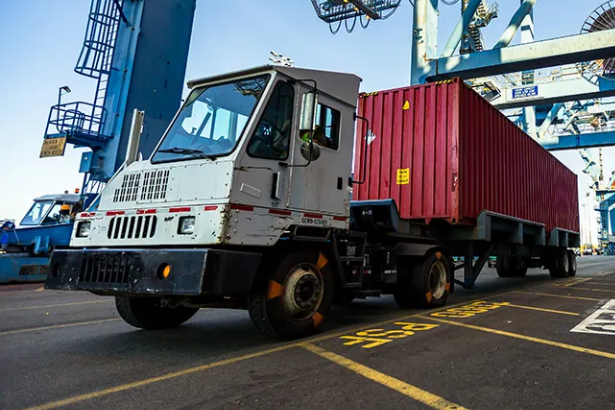
The Port of Savannah plays an important role in America’s international trade network. Every day, imported containers arrive carrying products destined for retailers, manufacturers, distributors and businesses across the country.
But getting a container off a ship is only the beginning.
Once a container is available for pickup, importers must coordinate trucking, terminal appointments, chassis availability, documentation, warehouse receiving and final transportation. Every stage requires planning, and delays at one point can create additional costs throughout the supply chain.
This is where Savannah drayage becomes essential.
For importers moving cargo through Garden City Terminal, a nearby warehouse in Pooler, Georgia, can provide an efficient location for receiving, unloading, inspecting and preparing shipments for their next destination.
Understanding how this process works can help businesses reduce transportation costs, avoid unnecessary container charges and maintain better control over their imported inventory.
In this guide, we explain the journey from Garden City Terminal to a Pooler warehouse, including the transportation process, common challenges and practical considerations for importers.
3. Understanding the Port of Savannah and Garden City Terminal
Savannah’s port continues rapid growth while potential trade wars loom
The Port of Savannah is one of the most important container gateways in the southeastern United States.
Operated by the Georgia Ports Authority, the port connects American businesses with international manufacturing and distribution markets.
Its Garden City Terminal handles containerized cargo arriving from major global shipping routes.
Importers use the terminal to bring in a wide range of products, including:
- Consumer electronics.
- Furniture and household goods.
- Industrial machinery.
- Automotive components.
- Textiles and apparel.
- Building materials.
- Packaged consumer products.
- Retail merchandise.
Once a container is discharged from a vessel, it enters the terminal’s cargo-handling and release process.
However, it cannot simply be collected immediately.
The importer, customs broker, shipping line and trucking provider may all need to complete specific steps before the container can leave the terminal.
Why Garden City Terminal matters to importers
Garden City Terminal provides access to major inland transportation networks.
Its location makes it an important distribution point for businesses serving Georgia and other southeastern markets.
For importers, proximity to a suitable warehouse can make a meaningful difference.
Instead of transporting a container directly to a distant distribution center, a company may arrange a short drayage movement to a nearby warehouse.
The warehouse can then unload and prepare the cargo for onward transportation.
This creates greater flexibility when managing inventory and delivery schedules.
4. What Is Savannah Drayage?
Benefits of Intermodal Transportation: Lower Costs and Smarter Shipping
Drayage is the transportation of shipping containers over relatively short distances, usually between ports, rail terminals, warehouses and distribution facilities.
In Savannah, drayage commonly involves moving containers from Garden City Terminal to a nearby warehouse, such as a facility in Pooler.
A typical movement may involve:
- Receiving the container release information.
- Confirming that the container is available for pickup.
- Arranging a truck and compatible chassis.
- Scheduling or confirming terminal access.
- Collecting the container.
- Transporting it to the receiving warehouse.
- Completing the delivery and unloading process.
Drayage is a critical connection between ocean transportation and inland logistics.
Without it, imported cargo cannot efficiently move from the port into the domestic distribution network.
Drayage versus long-haul trucking
These services perform different functions.
| Drayage | Long-haul trucking |
|---|---|
| Short-distance container transportation | Longer-distance freight transportation |
| Connects ports and nearby facilities | Connects warehouses and distant markets |
| Often involves shipping containers and chassis | May use dry vans, reefers and other trailers |
| Focuses on port and terminal coordination | Focuses on interstate freight movement |
| Can involve terminal appointments and port fees | Involves highway routing and delivery scheduling |
A shipment may require both services.
For example, a container arriving in Savannah may first move to a Pooler warehouse through drayage. After unloading, the merchandise may travel to another state using domestic truckload or less-than-truckload transportation.
5. Step-by-Step: Moving a Container From Garden City Terminal to Pooler
Georgia Ports Initiative Supports Motor Carriers — Savannah Traffic Club
Port of Savannah | Cargo Drayage, Transport & Logistics | Averitt
101 Morgan Lakes Blvd, Pooler, GA 31322 – Industrial for Lease | LoopNet
8
The movement from the port to a warehouse involves several coordinated activities.
Let’s examine each stage.
Step 1: Confirm the container is released
Before dispatching a truck, the logistics provider needs to confirm that the container is eligible for pickup.
This generally involves checking:
- Shipping line release.
- Customs clearance status.
- Terminal availability.
- Container identification.
- Pickup reference information.
- Any outstanding charges or holds.
A container may be physically available at the terminal but still not be released for transportation.
For example, customs may have placed a hold on the shipment, or the shipping line may not have completed its release process.
Dispatching a truck before these issues are resolved can waste time and create additional costs.
Step 2: Arrange a drayage truck and chassis
Once the container is ready, the drayage provider arranges the appropriate equipment.
A chassis is the wheeled frame used to transport a shipping container by road.
The equipment must match the container’s specifications.
Important considerations include:
- Container length.
- Container weight.
- Chassis compatibility.
- Road weight restrictions.
- Special handling requirements.
- Driver and equipment availability.
A standard 20-foot or 40-foot container may require different planning depending on its weight and cargo characteristics.
Step 3: Coordinate terminal access and pickup
The driver proceeds to Garden City Terminal according to the pickup arrangements.
The terminal process may involve:
- Gate identification.
- Appointment requirements, where applicable.
- Container number verification.
- Equipment interchange documentation.
- Inspection of the container and chassis.
The driver must ensure that the correct container is collected.
Any mismatch between the dispatch information and terminal records can delay the movement.
Step 4: Transport the container to Pooler
Lineage | Solving 5 Common Import and Export Challenges
After completing terminal pickup, the driver transports the container to the receiving warehouse.
Pooler is a strategically positioned logistics location near Savannah.
Its proximity to the port makes it useful for importers who want to unload cargo without immediately arranging long-distance transportation.
The exact distance and transit time depend on the warehouse address, route, traffic, terminal conditions and delivery schedule.
A short physical journey does not necessarily mean a simple operation.
Port congestion, gate queues, chassis availability and delivery appointments can influence the overall turnaround time.
Step 5: Check the container into the warehouse
When the container reaches the warehouse, the receiving team verifies the shipment.
Typical checks include:
- Container number.
- Seal number.
- Bill of lading or delivery references.
- Purchase order information.
- Receiving appointment.
- Container condition.
- Visible signs of damage.
Recording the condition of the container before unloading is important.
If damage, broken seals or discrepancies are identified, they should be documented and escalated according to the shipment’s procedures.
Step 6: Unload and inspect the cargo
The next stage is commonly known as devanning.
Devanning means unloading cargo from a shipping container.
Warehouse employees remove the products and organize them for inventory handling or onward distribution.
Depending on the shipment, the process may include:
- Counting cartons.
- Checking product quantities.
- Inspecting packaging.
- Identifying damaged merchandise.
- Separating different purchase orders.
- Palletizing loose cartons.
- Applying warehouse labels.
- Recording inventory information.
Accurate receiving is essential.
If the quantity received does not match the shipping documentation, the discrepancy should be investigated before the inventory is released for further distribution.
Step 7: Store, consolidate or prepare the shipment for delivery
After unloading, the warehouse can organize the merchandise according to the importer’s requirements.
Possible activities include:
- Short-term storage.
- Long-term inventory storage.
- Pallet consolidation.
- Order preparation.
- Cross-docking.
- Labeling.
- Repackaging.
- Outbound shipment preparation.
The appropriate approach depends on the product, inventory requirements and final destination.
A shipment intended for immediate distribution may move directly to outbound staging.
Another shipment may remain in storage until the importer receives customer orders.
Step 8: Return the empty container
Once the container has been unloaded, the empty equipment usually needs to be returned to the designated location within the shipping line’s requirements.
This step is easy to overlook.
The trucking provider must confirm:
- The designated empty return location.
- Empty return acceptance.
- Applicable appointment requirements.
- Return deadlines.
- Equipment interchange documentation.
Failing to coordinate the empty return can lead to additional detention charges.
6. Why Use a Pooler Warehouse Instead of Shipping Directly From the Port?
1024 S.H. Morgan Pky Pooler, GA 31322 – Industrial Property for Lease on Showcase.com
One of the biggest decisions importers face is whether to transport a container directly from the port to its final destination or move it to a nearby warehouse first.
A Pooler warehouse can provide several operational advantages.
1. Reduce unnecessary container holding time
Shipping containers are subject to free-time arrangements established by shipping lines and terminals.
If importers cannot arrange immediate unloading or final delivery, containers may remain in the port or at another location longer than expected.
A nearby warehouse provides another option for moving the cargo out of the terminal.
However, warehouse receiving capacity and container unloading schedules must be coordinated carefully.
2. Separate international shipping from domestic distribution
International shipping and domestic freight transportation involve different operational requirements.
A warehouse creates a convenient point where imported merchandise can be unloaded, inspected and prepared for domestic distribution.
For example, an importer receiving several containers of retail merchandise may unload them at a Pooler facility and distribute individual pallets to multiple customers.
This can be more flexible than sending each container directly to a different destination.
3. Improve inventory visibility
Warehousing can give importers better visibility into their products.
Once merchandise is unloaded and recorded, companies can identify:
- Available inventory.
- Damaged products.
- Missing quantities.
- Products awaiting distribution.
- Orders ready for dispatch.
This information helps businesses make better purchasing and replenishment decisions.
4. Support shipment consolidation
Importers sometimes receive multiple containers containing merchandise destined for the same customers or distribution regions.
A warehouse can consolidate the products into fewer outbound shipments.
This may improve truck utilization and simplify transportation planning.
5. Provide more flexible delivery scheduling
Direct port-to-customer deliveries can create scheduling challenges.
The receiving customer may not have sufficient unloading capacity or may only accept freight during specific appointment windows.
A warehouse can provide temporary storage until the final delivery appointment is available.
This is particularly useful for importers dealing with fluctuating customer demand.
7. Understanding Demurrage and Detention Charges
Cut Costs, Not Sales – PGL’s LCL Logistics for E-commerce in Puerto Rico
Two of the most important costs importers need to understand are demurrage and detention.
Although these terms are sometimes used interchangeably, they generally refer to different situations.
What is demurrage?
Demurrage is a charge that may apply when a container remains inside a marine terminal beyond the permitted free-time period.
The exact rules and charges depend on the shipping line, terminal arrangements and applicable tariff.
For example, an importer may have a container discharged from a vessel but fail to arrange pickup within the allowed period.
Additional charges may then accumulate.
What is detention?
Detention generally refers to charges associated with keeping shipping-line equipment outside the terminal beyond the permitted free time.
For example, an importer may collect a container but take too long to unload it and return the empty equipment.
The shipping line may impose detention charges.
Demurrage vs detention
| Cost | Where the container is | Typical reason |
|---|---|---|
| Demurrage | Inside the terminal | Container not collected within free time |
| Detention | Outside the terminal | Container or equipment not returned within free time |
How importers can reduce these charges
Businesses can take several practical steps:
- Monitor vessel arrival and discharge information.
- Confirm customs clearance early.
- Check shipping-line release status.
- Arrange drayage capacity before the container becomes available.
- Coordinate warehouse receiving appointments.
- Confirm unloading schedules.
- Track empty-container return deadlines.
- Keep proof of pickup and return.
The most important principle is simple: container movement, warehouse availability and documentation should be coordinated before the container arrives.
8. Customs Clearance and Bonded Warehousing
Customs clearance is another critical part of international freight operations.
A container cannot automatically leave the terminal just because a truck and warehouse are available.
The importer must satisfy applicable US Customs and Border Protection requirements.
What happens during customs clearance?
Depending on the shipment, the process can involve:
- Import documentation.
- Customs entry filing.
- Classification of imported goods.
- Valuation.
- Country-of-origin information.
- Duties and taxes.
- Government agency requirements.
- Cargo examination or inspection.
Importers often work with licensed customs brokers to coordinate these activities.
A customs broker can help prepare and submit entry documentation, communicate with customs authorities and address documentation issues.
However, the importer remains responsible for meeting its legal import obligations.
What is a bonded warehouse?
A bonded warehouse is a facility authorized by US Customs and Border Protection to store imported merchandise under customs supervision.
Under applicable rules, qualifying imported goods may be stored without immediate payment of duties until they are withdrawn for consumption or otherwise handled under permitted procedures.
This can help businesses manage cash flow and inventory timing.
However, not every warehouse is bonded.
Importers must verify the facility’s authorization and ensure the merchandise qualifies for the intended customs procedure.
Why bonded warehousing can matter
For businesses importing large volumes of merchandise, bonded storage may offer flexibility.
Potential advantages include:
- Deferring eligible duty payments.
- Managing inventory before domestic entry.
- Supporting certain re-export operations.
- Improving cash-flow planning.
- Providing additional customs control.
Bonded warehousing also involves specific documentation, security and inventory-accounting requirements.
It should not be treated as an automatic benefit of ordinary warehouse storage.
9. Warehouse Capabilities Importers Should Evaluate
Not every warehouse is suitable for every type of imported cargo.
Before selecting a warehouse in Pooler or elsewhere around Savannah, importers should assess the facility’s operational capabilities.
| Warehouse capability | Why it matters |
|---|---|
| Container unloading | Supports efficient devanning |
| Palletizing | Prepares cargo for storage and transportation |
| Inventory management | Improves stock visibility |
| Short-term storage | Supports temporary inventory holding |
| Long-term storage | Accommodates distribution planning |
| Cross-docking | Moves cargo quickly between inbound and outbound transportation |
| Labeling and repackaging | Supports customer and retailer requirements |
| Food-grade handling | May be necessary for certain food products |
| Hazmat handling | Requires appropriate authorization, training and controls |
| Customs-bonded storage | Supports eligible customs procedures |
Food-grade warehousing
Some imported products require specific storage conditions.
Food-grade facilities may need appropriate sanitation, pest-control procedures, temperature controls and documented handling practices.
Importers should verify that the warehouse meets the requirements applicable to their particular products.
Hazardous materials
Hazardous materials require additional planning.
Storage and handling requirements depend on the material classification, quantity, packaging and applicable federal, state and local regulations.
A warehouse should only accept these materials when it has the required permissions, infrastructure and trained personnel.
General merchandise storage
For ordinary consumer products, warehouse services may include pallet storage, carton handling, order preparation and outbound distribution.
The right facility depends on the importer’s inventory profile and customer requirements.
10. Common Savannah Drayage Mistakes Importers Should Avoid
Port Of Savannah Unveils Newly Completed Mason Mega Rail Station
Even a relatively short drayage movement can become expensive when coordination breaks down.
Here are some common mistakes businesses should avoid.
Mistake 1: Booking a truck before confirming cargo release
A truck arriving before the container is available can create wasted dispatch costs.
Always verify the necessary release and clearance information first.
Mistake 2: Ignoring chassis availability
Drayage operations depend on suitable transportation equipment.
A shortage of compatible chassis can delay pickups.
Equipment arrangements should be confirmed before dispatch.
Mistake 3: Failing to coordinate warehouse appointments
A container arriving at a warehouse without an available receiving slot can create unnecessary waiting time.
The drayage provider and warehouse should communicate before pickup.
Mistake 4: Underestimating unloading time
Not every container can be unloaded at the same speed.
Cargo volume, packaging, labor availability and receiving procedures can influence unloading time.
Importers should avoid assuming that every container will be processed within an identical window.
Mistake 5: Forgetting empty-container return requirements
Empty returns need to be coordinated with the shipping line’s instructions.
The wrong return location or a missed deadline can lead to additional charges.
Mistake 6: Incomplete shipment documentation
Missing or incorrect documents can delay customs clearance, warehouse receiving and inventory processing.
Documentation should be reviewed before the container arrives.
Mistake 7: Choosing a warehouse based only on price
A low storage rate does not necessarily translate into a low total logistics cost.
Importers should evaluate the complete service package, including:
- Drayage charges.
- Receiving fees.
- Unloading costs.
- Storage rates.
- Handling charges.
- Outbound transportation.
- Additional service fees.
The best solution is the one that meets the shipment’s operational requirements at a competitive total cost.
11. How to Choose the Right Savannah Drayage and Warehousing Partner
Selecting a logistics provider is an important decision for importers.
A reliable provider should understand the practical requirements of port transportation, container handling and warehouse operations.
Before choosing a partner, consider the following factors.
Experience with Garden City Terminal
The provider should understand terminal procedures, pickup coordination and the documentation required for container movements.
Access to appropriate trucking equipment
Confirm whether the provider can arrange the required trucks, chassis and specialized equipment.
Warehouse location
A warehouse near Savannah’s port infrastructure can help reduce inland transportation requirements for port-related movements.
However, actual route distance and operating conditions should be checked for each facility.
Receiving and unloading capacity
Ask about:
- Daily container receiving capacity.
- Appointment availability.
- Labor resources.
- Unloading procedures.
- Inventory management.
- Outbound shipment preparation.
Shipment visibility
Importers benefit from timely updates about container status, pickup, warehouse arrival, unloading and empty return.
A provider should have a clear communication process.
Transparent pricing
Ask for a detailed quotation that separates drayage, warehouse receiving, unloading, storage and additional handling charges.
This makes it easier to compare providers accurately.
12. Frequently Asked Questions About Savannah Drayage
1. What is Savannah drayage?
Savannah drayage is the short-distance transportation of shipping containers between the Port of Savannah, nearby warehouses, rail facilities and other logistics locations.
2. What is Garden City Terminal?
Garden City Terminal is a major container facility operated by the Georgia Ports Authority at the Port of Savannah. It handles containerized import and export cargo.
3. How far is Pooler from Garden City Terminal?
The distance depends on the specific warehouse address and route. Pooler is located near Savannah and offers access to the port’s logistics network. Importers should verify the actual driving distance rather than relying on a general estimate.
4. What is the difference between drayage and trucking?
Drayage generally refers to short-distance container transportation, often involving port or rail terminal movements. Trucking is a broader term that includes local, regional and long-distance freight transportation.
5. What is devanning?
Devanning is the process of unloading cargo from a shipping container. It may include carton counting, inspection, palletizing, labeling and inventory recording.
6. What documents are needed for container pickup?
Requirements vary by shipment and terminal. They may include container identification, delivery order or release information, customs clearance confirmation, pickup references and terminal-specific documentation.
7. What causes demurrage charges?
Demurrage can occur when a container remains at a marine terminal beyond its permitted free time. The applicable charges depend on the shipping line and relevant terminal arrangements.
8. What causes detention charges?
Detention generally applies when shipping-line equipment remains outside the terminal beyond the permitted free time, such as when an empty container is returned late.
9. Can a Pooler warehouse unload imported containers?
A warehouse can perform container unloading when it has the appropriate receiving capacity, equipment, labor and services. Importers should confirm these capabilities before booking.
10. What is a bonded warehouse?
A bonded warehouse is a facility authorized by US Customs and Border Protection to store imported merchandise under customs supervision. Eligible goods may be stored without immediate payment of duties under applicable procedures.
11. Can imported cargo move from Savannah to other states?
Yes. Once the required release and transportation arrangements are completed, imported cargo can move to other US destinations using truckload, LTL, rail or other appropriate transportation services.
12. How can importers reduce Savannah drayage costs?
Importers can improve coordination between customs brokers, trucking providers and warehouses, schedule pickups promptly, confirm chassis availability, manage free-time deadlines and consolidate outbound freight where appropriate.
13. Sources and References
The following resources can be used to support and fact-check the article:
- Georgia Ports Authority: Port of Savannah and Garden City Terminal
- US Customs and Border Protection: Importing into the United States
- Federal Maritime Commission: Demurrage and Detention
- US Customs and Border Protection: Customs Bonded Warehouses
- Porter Logistics: Official Company Blog