The Solos AirGo V2 Privacy Kit 2026 is either the most self-aware product launch in consumer tech this year or the most audacious piece of damage control the smart glasses category has ever produced. At the AI Smartglasses Symposium 2026 in Hong Kong, Solos announced a physical Privacy Kit for its $300 AirGo V2 smart glasses that addresses the camera privacy concerns everyone has about wearable cameras with an unusually direct solution: a piece of hardware that makes the camera physically inoperable. The kit sells for $80 and includes a ClearView Temple arm replacement and two clip-on shields, one for regular and one for sunglasses. The company also announced the AirGo A6, a camera-free smart glasses model for users who want AI features without wearing a visible camera on their face.
What Is the Solos AirGo V2 and Why Does It Need a Privacy Kit
Before the Privacy Kit makes sense, the product it was built for needs context.
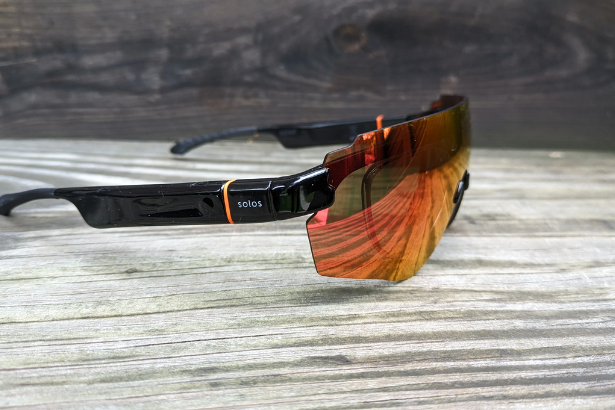
The Solos AirGo V2 launched at CES 2026 in January at a starting price of $299. It is Solos’s most advanced camera-equipped smart glasses, featuring a 16MP ultra-slim stabilized camera capable of Full HD video capture, live video stabilization, and multimodal AI through SolosChat 4.0. The wake phrase “Hey Solos” activates hands-free voice controls for photos, video, music, AI queries, and live translation. Open-ear speakers allow audio playback while maintaining environmental awareness. Battery life runs 10 to 12 hours of everyday use, with optional swappable battery temples for extended sessions.
The AirGo V2’s modular SmartHinge design lets users swap temples and the front frame piece, changing functionality or style depending on the situation. It supports prescription lenses including progressive, transition, polarized, and blue-light filtering, and customers can upload prescriptions at checkout. A dedicated charging case for the swappable battery temples is planned for August 2026 via USB-C, though pricing has not been confirmed.
The camera is the product’s defining feature and its biggest liability. Unlike Meta’s Ray-Ban smart glasses, which integrate their camera relatively discreetly into the frame, the AirGo V2’s 16MP lens is more visibly present. As public awareness of camera-equipped wearables has grown since the I-XRAY Harvard research in late 2024, consumer anxiety about walking through daily life with a recording device on someone else’s face has become the smart glasses category’s most persistent obstacle to mainstream adoption.
The Privacy Kit: A Physical Solution to a Digital Trust Problem
Solos’s answer to that anxiety is, by the standards of consumer tech product design, genuinely unusual.
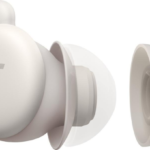
The Privacy Kit is very unusual. It is compatible with Solos’s $300 AirGo V2 smart glasses, which have a 16-megapixel camera set in the temple. Inside the kit is the ClearView Temple, which is a complete replacement arm for the AirGo V2 without any of the electronics required to make the camera operate. The transparent section of the ClearView Temple shows it is free from camera technology, making it visually verifiable to anyone looking at the wearer’s glasses.
The kit also includes a clip-on privacy shield that covers the camera completely, ensuring it not only cannot be seen but also cannot take photos or videos. A second clip-on shield designed for sunglasses accompanies the standard shield. Solos sells the full pack, which includes the ClearView Temple and both clip-on shields, for $80. The ClearView Temple alone is available separately for $50.
The logic is simple. Most smart glasses privacy solutions rely on LED recording indicators that can be ignored, disabled, or simply too small to notice. Solos’s approach removes the ambiguity entirely: a transparent temple arm with no camera electronics visible, or a physical clip that blocks the lens from functioning. There is nothing to trust or distrust. The evidence is structural.
The Obvious Counterargument: Why Would You Buy Glasses to Remove the Camera
Android Central’s review framed the core absurdity directly: “it’ll be very odd to buy a pair of camera-equipped smart glasses, only to then spend more to delete the camera functionality completely.”
That observation is accurate, and Solos is aware of it. The Privacy Kit is not designed for users who regret buying the AirGo V2. It is designed for situations: walking into a meeting where recording is sensitive, visiting a location where camera use is prohibited, or social settings where the visible presence of a camera creates discomfort for those around the wearer. The AirGo V2’s modular design enables a rapid swap between camera-capable and camera-free configurations, which is a meaningful practical capability that fully integrated camera designs like the Ray-Ban Meta cannot offer.
Android Central also noted the PR dimension directly: “selling a literal piece of plastic as an ‘innovative privacy kit’ to combat the surveillance creep of their own camera-packed smart glasses is a pretty bold PR spin.” That characterization is fair, but the product does what it claims. Whether consumers find a physical privacy solution reassuring or performative will depend on their existing level of trust in the smart glasses category.
The AirGo A6: The Camera-Free Alternative
Alongside the Privacy Kit, Solos announced the AirGo A6, a new pair of smart glasses that solves the camera problem from the opposite direction.
The AirGo A6 takes a different approach rather than chasing bigger specs. It skips the built-in camera entirely, making it a better fit for users who want AI features without constantly wearing a visible camera on their face. The AirGo A6’s frames are just 19 grams without lenses, which Solos claims makes them highly wearable all day. The frames are compatible with a full range of prescription lenses for those who require them.
The AirGo A6 is described as AI Glasses rather than camera glasses. It is compatible with SolosAI, SolosChat, and other AI assistants, delivering voice-activated AI through open-ear audio without any recording capability. Its features include hands-free SolosChat, wake-word activation, automatic power management, voice memos, live translation, messaging, calendar management, reminders, and open-ear audio for calls and music.
Solos also says the AirGo A6 runs on an open AI platform that will evolve through software updates, SDK integrations, and additional AI assistant compatibility. The 19-gram weight without lenses makes it one of the lightest smart glasses products currently available, and the complete absence of camera hardware removes the social friction that has made camera-equipped smart glasses a harder product to introduce to non-tech-enthusiast consumers.
The Global AirGo V2 Launch: Now Available Internationally
The Hong Kong event served as more than just a Privacy Kit announcement. It also marked the formal worldwide commercial launch of the AirGo V2.
Solos launched the AirGo V2 around the world at the AI Smartglasses Symposium. Previously available primarily in the United States, the global rollout now makes the $299 smart glasses accessible to international customers across Solos’s retail footprint.
The AirGo V2 also introduces SolosChat 4.0, an upgrade over the SolosChat 3.0 that launched the glasses at CES. The updated AI assistant handles video, voice, and multimodal commands for a more capable hands-free experience. Solos also previewed the AirGo SDK ecosystem at the symposium, aiming to get third-party developers building directly on the platform, a strategic shift from hardware-centric product launches toward establishing an application ecosystem that can sustain user engagement beyond the initial purchase.
How Solos Compares to Meta Ray-Ban in 2026
The competitive context for every Solos announcement is the same: Ray-Ban Meta smart glasses, which retail at $299 and have established the consumer benchmark for camera-equipped wearables.
The AirGo V2 matches the Ray-Ban Meta on starting price at $299 but offers features the Meta glasses do not: a 16MP camera versus Meta’s 12MP, live video stabilization, swappable battery temples for extended runtime, and the SmartHinge modular design that enables the Privacy Kit to function at all. The Ray-Ban Meta’s integration of its camera into the frame is more visually seamless, and Meta’s social and AI platform ecosystem is significantly more mature than Solos’s.
The Privacy Kit creates a differentiation point that Meta cannot match. Because the Ray-Ban Meta’s camera is permanently integrated into the frame, it has no physical privacy option beyond a software recording indicator. Solos’s modular design enables a structural privacy guarantee that is either a genuine competitive advantage or a product category admission that wearable cameras require trust infrastructure that software alone cannot provide, depending on how you read the market.
Latest Update: Pricing, Availability, and August Charging Case
The Solos AirGo V2 Privacy Kit 2026 and AirGo A6 are the company’s most significant announcements since the CES 2026 AirGo V2 launch, arriving at a moment when the smart glasses market is accelerating.
The Privacy Kit is available now at $80 for the full pack or $50 for the ClearView Temple alone. The AirGo V2 is available globally at $299. The AirGo A6 pricing has not been confirmed as of publication. A dedicated charging case for the AirGo V2’s swappable battery temples is planned for August 2026 via USB-C.
For the full breakdown, follow WIRED, Android Central, and Android Police.
Broader Implications: Privacy Hardware as a New Product Category
The Solos AirGo V2 Privacy Kit 2026 signals something worth paying attention to: privacy is becoming a hardware feature, not just a software setting.
The broader smart glasses industry has struggled to answer a legitimate consumer concern. Wearable cameras normalized through social repetition are a different thing from wearable cameras whose presence is architecturally verifiable. The ClearView Temple’s transparent design is a direct attempt at that second category. Whether or not the Privacy Kit becomes a commercial success, the idea that a smart glasses company has shipped a product whose primary feature is making its own camera visually absent is a marker of how seriously the category now takes trust as a purchase barrier.
Apple’s Vision Pro, Meta’s Ray-Bans, and every camera-equipped wearable that follows will face the same question in increasingly mainstream consumer contexts. Solos’s answer with the Privacy Kit is unusual, honest, and commercially risky. It is also, for the moment, unique.
For more tech and consumer electronics coverage, visit The Tech Marketer.
What Happens Next
The AirGo A6 pricing and availability have not been confirmed. The AirGo V2 charging case is expected in August 2026. Solos’s AirGo SDK ecosystem is in active third-party developer recruitment following the Hong Kong symposium. The company’s accessibility features for blind and low-vision users, previewed at CES, are expected to arrive later in 2026.
FAQ
What is the Solos AirGo V2 Privacy Kit 2026?
The Solos Privacy Kit is a $80 accessory bundle for the AirGo V2 smart glasses that physically disables the built-in 16MP camera. It includes the ClearView Temple, a complete replacement arm that contains no camera electronics and features a transparent section proving its absence, plus two clip-on privacy shields for regular and sunglasses use. The ClearView Temple is also available separately for $50.
How does the Solos Privacy Kit physically block the camera?
The Privacy Kit uses two mechanisms. The ClearView Temple replaces the standard AirGo V2 temple arm with one that contains no camera hardware at all, with a transparent window confirming the absence of electronics. The clip-on privacy shields attach over the camera location on the original temple arm, physically blocking the lens from capturing any images or video.
What is the Solos AirGo A6?
The Solos AirGo A6 is a new model of smart glasses announced at the AI Smartglasses Symposium 2026 in Hong Kong that has no built-in camera. Weighing just 19 grams without lenses, it features hands-free SolosChat AI, live translation, voice memos, calendar management, and open-ear audio while eliminating the privacy concerns associated with camera-equipped wearables. Pricing has not yet been confirmed.
How does the Solos AirGo V2 compare to Ray-Ban Meta smart glasses in 2026?
Both start at $299 and offer AI-powered smart glasses with cameras. The AirGo V2 features a higher-resolution 16MP camera versus Meta’s 12MP, live video stabilization, swappable battery temples, and a modular SmartHinge design that enables the Privacy Kit. Ray-Ban Meta has more seamless camera integration, a more mature ecosystem, and broader social platform integration. Only the AirGo V2 can offer a physical privacy solution due to its modular design.
When will the Solos AirGo V2 charging case be available?
Solos has confirmed a dedicated charging case for the AirGo V2’s swappable battery temples for August 2026, using USB-C. The case will protect the glasses during travel and recharge the swappable temples. Pricing for the charging case had not been announced as of publication.
Sources and References
- WIRED (original submission, blocked): https://www.wired.com/story/these-new-smart-glasses-from-solos-come-with-a-privacy-shield-for-the-cameras/