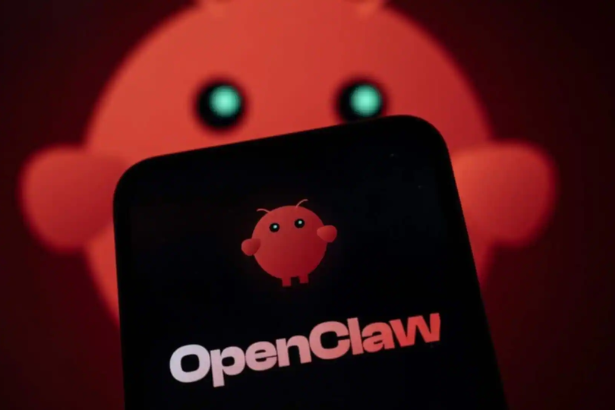
OpenClaw mobile apps have finally arrived for Android and iOS devices, marking a significant leap for this open-source AI agent. With this launch, users can now control their AI directly from their smartphones, a move that could dramatically increase user engagement and convenience. This step into the mobile domain opens a new chapter for OpenClaw, which until now had been confined to desktop environments.
OpenClaw Mobile Apps: What They Offer
The release of OpenClaw mobile apps means that the power of open-source AI is now pocket-sized. On both iOS and Android, users can now deploy their AI agents to perform tasks and interact smoothly with the digital environment around them. The apps help users by integrating functionalities such as chat, voice interactions, and automation approvals. This broadens the horizon for how AI can be applied in everyday scenarios, enhancing productivity and personal organization.
According to 9to5Mac, the apps also feature the ability to connect with a self-hosted OpenClaw Gateway. This feature is particularly relevant for users who prioritize security, as it allows them to maintain full control over their data and communications. Encryption and secure data handling are paramount in today’s tech-savvy landscape, and OpenClaw addresses these concerns head-on.
However, despite these impressive capabilities, early reviews from Android Authority reveal that users have faced some hurdles. The initial setup, especially the pairing process with the OpenClaw Gateway, has been criticized for being unintuitive. Furthermore, the interface design has received mixed responses, suggesting that while functionality is strong, user experience needs refinement.
OpenClaw’s Integration with Existing Systems
The capability of OpenClaw mobile apps to pair with existing systems is a shift, particularly for businesses looking to integrate advanced AI tools into their operations. Whether it’s automating routine tasks or facilitating complex data-driven operations, OpenClaw’s mobile presence makes these functions more accessible and portable than ever before.
Incorporating such AI tools into existing workflows isn’t just beneficial for tech enthusiasts or businesses. It offers a new level of interaction for individual users seeking to streamline their daily activities with the help of AI. The ability to approve automations directly from a smartphone means less time tethered to a desktop and more on-the-go efficiency.
This development aligns with broader trends in the tech industry that focus on mobile accessibility and user empowerment. As noted in TechCrunch, the move to mobile represents OpenClaw’s recognition of these trends, adapting to meet the needs of a mobile-first world.
Technical Challenges and User Feedback
Despite the excitement surrounding the release of OpenClaw mobile apps, it isn’t without challenges. User feedback has highlighted areas needing improvement, such as the app’s user interface and the technical difficulties some have faced during the pairing process. These issues must be addressed swiftly to prevent alienating early adopters who are often the most enthusiastic supporters.
The user interface, as mentioned by Android Authority, appears to lack the polish expected from modern applications. For OpenClaw to compete with well-established apps, refinement in design and user flow is necessary. A more intuitive design would help users maximize the app’s capabilities without feeling frustrated or confused.
Moreover, the pairing process has been cited as cumbersome by users. Simplifying this interaction is crucial for improving overall user satisfaction and retention. It is vital for OpenClaw to listen to user feedback and iterate on these aspects quickly to maintain momentum and build a loyal user base.
The Security Angle: Ensuring Data Safety
Security remains a top priority with OpenClaw mobile apps, as users are increasingly aware of data privacy issues. The option to pair with a self-hosted OpenClaw Gateway ensures that users can have peace of mind knowing their interactions are secure. This feature is a substantial advantage for OpenClaw, differentiating it from other AI agents that might not offer the same level of data security.
Users running sensitive or confidential operations will find the Gateway feature particularly appealing, as it allows for customization and control over data transmission and storage. With cybersecurity threats rising, such features are not just luxuries but necessities.
TechCrunch highlights that this approach aligns with OpenClaw’s mission to provide a secure, open-source AI agent. However, the effectiveness of these security measures will depend on their execution and the transparency of the processes involved in keeping data secure.
What This Means for AI Enthusiasts
The launch of OpenClaw mobile apps is a boon for both seasoned AI developers and newcomers alike. By making AI tools more accessible, OpenClaw is democratizing the use of artificial intelligence, allowing more people to experiment with AI-based solutions. This could lead to a surge in innovation as more individuals and small businesses gain the capability to deploy AI in real-world applications.
For developers, the mobile apps present new opportunities to create and refine AI models that can operate in diverse environments. The portability of OpenClaw’s functionality means developers can test and iterate on the go, accelerating the development process.
Moreover, for those still averse to deploying AI due to complexity concerns, the mobile app’s approachable design provides an inviting starting point. As users become familiar with the app’s capabilities, the initial apprehension towards AI could diminish significantly.
OpenClaw Mobile Apps: The Competitive Edge
The release of OpenClaw mobile apps places the company in a competitive position within the AI market. As an open-source tool, it offers something unique compared to proprietary solutions: flexibility and transparency. This is particularly attractive to developers and tech companies that value these attributes and are looking for customizable solutions.
OpenClaw’s competitive edge is further strengthened by its community-driven model. Users and developers can contribute to its growth, continually enhancing its capabilities and scope. This collaborative approach not only enriches the tool itself but also builds a community around it, fostering innovation and support.
In a market teeming with AI products, standing out requires not just good technology but also a compelling value proposition. OpenClaw’s value lies in its open-source nature, which allows for rapid adaptation to user needs and integration into existing systems, something proprietary software might struggle to offer.
Broader Implications
The implications of OpenClaw mobile apps reaching the hands of everyday users are vast. It signifies a shift in how AI is perceived and used. By providing tools that are both powerful and easy to use, OpenClaw could help demystify AI, broadening its adoption across various sectors.
This move also speaks to a larger trend of increasing mobile functionality in AI applications. As the technology matures, we can expect more companies to follow suit, prioritizing mobile integration to reach users more effectively. This could lead to a more interconnected digital ecosystem, where AI capabilities are as ubiquitous as the devices they run on.
For more insights into how AI and technology are influencing industries, check out our article on AI and SaaS in Hazmat Compliance.
Latest Updates
According to TechCrunch, the OpenClaw mobile apps are officially live on both Apple’s App Store and Google Play. This rollout marks a significant milestone for OpenClaw, allowing users across the globe to engage with their AI agents in a more versatile manner.
9to5Mac provides a closer look at the iOS version of the app, highlighting its seamless interaction capabilities with iPhones. This includes voice and chat features, making it a convenient tool for users deeply integrated into Apple’s ecosystem.
Meanwhile, Android Authority points out that while the launch is a step forward, there are critical areas for improvement, especially for user experience and design. Early adopters have voiced their concerns, which OpenClaw will need to address promptly to maintain user trust and satisfaction.
FAQ
What are OpenClaw mobile apps?
OpenClaw mobile apps are official applications available for iOS and Android that allow users to operate their OpenClaw AI agents directly from their mobile devices. These apps make it easier to manage and deploy AI functionalities on the go.
How can I use OpenClaw mobile apps on my phone?
After downloading the OpenClaw app from your device’s app store, you can set it up and pair it with a self-hosted OpenClaw Gateway for secure operations. The app supports chat, voice interactions, and automation approvals.
Are there any security features in OpenClaw mobile apps?
Yes, OpenClaw mobile apps offer strong security features, including the ability to connect with a self-hosted Gateway. This ensures a secure environment for data handling and communication, providing peace of mind for users concerned about privacy.
What issues have users reported about OpenClaw mobile apps?
Early users have reported challenges with the app’s design and the complexity of the pairing process. Feedback indicates that while functionality is strong, the user experience requires improvements for wider acceptance.
Where can I download OpenClaw mobile apps?
You can download OpenClaw mobile apps from the Apple App Store for iOS devices or Google Play for Android devices. They are available for free, facilitating a straightforward way to engage with AI technology.
Sources and References
TechCrunch, “OpenClaw is finally available on Android and iOS,” https://techcrunch.com/2026/06/30/openclaw-is-finally-available-on-android-and-ios/
9to5Mac, “OpenClaw just launched an official app for iPhone: Details here,” https://9to5mac.com/2026/06/29/openclaw-just-launched-an-official-app-for-iphone-details-here/
Android Authority, “OpenClaw Android iOS app launch,” https://www.androidauthority.com/openclaw-android-ios-app-launch-3682683/
{
“@context”: “https://schema.org”,
“@type”: “NewsArticle”,
“headline”: “OpenClaw Mobile Apps Now Available on Android and iOS”,
“datePublished”: “2026-06-30”,
“author”: {
“@type”: “Person”,
“name”: “Senior Staff Writer”
},
“publisher”: {
“@type”: “Organization”,
“name”: “The Tech Marketer”,
“url”: “https://thetechmarketer.com”
}
}