Is Kim Jong Un still alive? The question surged across Google searches on October 19 and 20, 2026, after social media posts claimed North Korea’s leader had suffered a severe brain hemorrhage, fallen into a coma and died following emergency treatment in China.
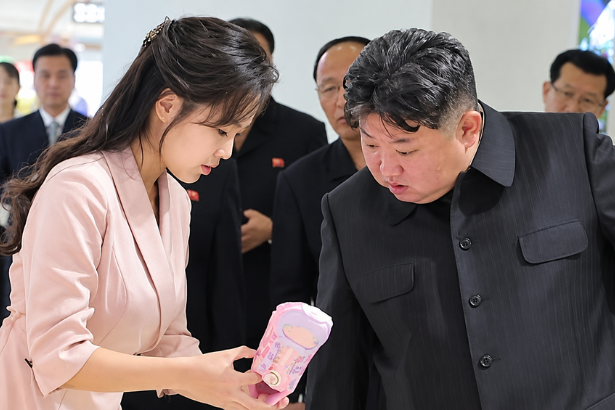
The latest reporting points in a different direction. North Korean state media released photographs showing Kim attending a public exhibition in Pyongyang on October 19, accompanied by his daughter, Kim Ju-ae. The report was published the following day, according to NK News.
The images provide recent reported evidence of a public appearance, but an important distinction remains: North Korean state media did not directly address the death rumors, and the photographs have not independently established every detail circulating online.
The claims of Kim’s death, a medical emergency in Beijing and an alleged transfer of power remain unverified. South Korean diplomatic and security officials told Yonhap News Agency they had heard nothing to support the allegations.
For now, the available evidence does not substantiate the claim that Kim Jong Un has died. The episode also highlights how quickly an unsupported claim about a highly secretive government can become an international news story.
Background and Context: Why Kim Jong Un Death Rumors Spread So Quickly
Kim Jong Un has led North Korea since succeeding his father, Kim Jong Il, in 2011. His government tightly controls domestic media, and independent access to information about the country’s senior leadership is limited.
That information gap creates a recurring problem for journalists and researchers. When Kim disappears from public view for a period, speculation about his health or political position can spread before reliable evidence becomes available.
North Korea’s state media is an important source for monitoring official appearances, announcements and leadership activities. However, its reports must be interpreted carefully because they reflect the government’s own account of events.
Foreign intelligence assessments, statements from South Korean officials, reporting from specialist North Korea publications and observable public events can provide additional context. None should automatically be treated as definitive proof of a private medical condition.
The latest rumors followed this familiar pattern. Claims circulated online alleging a fatal brain hemorrhage, a coma and emergency treatment in Beijing. But the accounts did not provide independently verifiable evidence to establish those allegations.
According to UPI’s October 20 report, the claims reportedly originated with posts by Wanjun Xie, a Chinese dissident based in the United States. The allegations were subsequently repeated by other social media accounts and media outlets.
The distinction between a claim being widely shared and being independently confirmed is central to understanding this story.
Latest Update: Is Kim Jong Un Still Alive According to the Latest Reports?
As of October 20, 2026, recent reporting describes Kim as having appeared at a public exhibition, while the allegations that he died remain unsupported by credible evidence presented in the reports reviewed.
October 19: Reported Appearance at a Clothing Exhibition
North Korean state media reported that Kim visited a garment and footwear exhibition in Pyongyang on Monday, October 19. Photographs published the following day showed him touring the exhibition with his daughter, Kim Ju-ae.
The event focused on clothing and footwear produced by North Korean manufacturers. The public appearance became particularly notable because it followed the spread of rumors alleging that Kim was seriously ill or dead.
NK News reported on the appearance, describing the online claims as unfounded and noting that they had spread through social media before receiving wider attention.
The timing provides an important factual update. Rather than confirming the online allegations, the latest publicly reported appearance points toward Kim continuing his official activities.
However, the photographs should be described accurately: they were released through North Korea’s state media, and their publication does not constitute an independent medical assessment.
October 20: UPI Reports No Evidence Supporting the Death Claims
In its October 20 report, UPI said the allegations that Kim had suffered a brain hemorrhage, entered a coma and died were not supported by evidence provided by those spreading the claims.
The report also noted that North Korean state media had published information about Kim’s exhibition visit without directly responding to the rumors.
South Korean diplomatic and security officials told Yonhap they had heard nothing to support the death claims.
These developments matter because they separate the observable news from the speculation. There is a reported public appearance, but no substantiated confirmation of the alleged medical emergency or death.
What About Claims That Kim Yo Jong Has Taken Power?
Some social media posts went beyond the death allegations, claiming that Kim’s sister, Kim Yo Jong, had assumed control of North Korea.
Those assertions also remain unverified.
Kim Yo Jong is a prominent North Korean official, but her public profile does not establish that a transfer of power has occurred. Such a major political change would require stronger evidence than anonymous or unsupported social media claims.
No credible evidence cited in the reporting reviewed establishes that Kim Yo Jong has replaced her brother as North Korea’s leader.
What the Available Evidence Shows
| Claim | What the reporting establishes |
|---|---|
| Kim Jong Un has died | Unverified; no supporting evidence was provided by those spreading the claim. |
| Kim suffered a fatal brain hemorrhage | Unverified. |
| Kim was hospitalized in Beijing | Unverified. |
| Kim’s body was secretly returned to North Korea | Unverified. |
| Kim appeared at a public exhibition | North Korean state media reported the October 19 appearance and released photographs on October 20. |
| Kim Yo Jong has taken power | Unverified. |
| South Korean officials confirmed the death | No. Officials told Yonhap they had heard nothing to support the claims. |
The central conclusion is that the death allegations have not been substantiated, while North Korean state media has reported a recent public appearance.
Expert Analysis: Why North Korea Death Rumors Require Careful Verification
1. Viral Posts Are Not Independent Confirmation
A claim can appear to have multiple sources even when every subsequent report traces back to the same original social media post.
That distinction is especially important in stories about secretive governments. Repetition may increase visibility, but it does not increase the quality of the underlying evidence.
In this case, UPI and Yonhap reported that the death allegations originated in online claims that were not accompanied by substantiating evidence. NK News also described the rumors as unfounded.
The responsible editorial approach is to report the existence of the rumors while clearly labeling them unverified.
2. North Korea’s Information Environment Complicates Verification
North Korea does not operate an open media environment comparable to that of most democracies. State media announcements therefore play an important role in documenting official activity, but they do not offer unrestricted access to the private circumstances of the country’s leadership.
A photograph of Kim at an exhibition is evidence that state media reported a public appearance. It is not, on its own, proof of his full medical condition.
Journalists must distinguish between what the image demonstrates, what officials have said and what remains unknown.
3. Leadership Rumors Can Have Geopolitical Consequences
News about the health or death of North Korea’s leader attracts international attention because of the country’s nuclear weapons program, military posture and relationships with neighboring states.
Unsubstantiated succession claims can also encourage speculation about how North Korea might respond to a leadership transition.
But the potential consequences of a claim do not make that claim true. Analysts and readers need evidence before treating reports of a leadership change as established fact.
Broader Implications: How a Kim Jong Un Search Spike Becomes a Global News Story
Google Trends Reveals Public Curiosity, Not Whether a Claim Is True
The supplied Google Trends screenshot shows a sharp rise in searches for “is kim jong un still alive,” alongside related queries about his death and health.
The graph captures attention, not verification. Google Trends displays relative search interest rather than a direct count of confirmed events or the number of people who believe a claim.
A sudden increase can reflect breaking news, confusion, attempts to verify a viral post or a surge in coverage from news outlets.
For publishers, that creates both an opportunity and a responsibility. A useful article should answer the search question immediately, explain what the evidence shows and avoid presenting speculation as a confirmed development.
Why Newsrooms Need a Clear Verification Process
The episode illustrates a common challenge for digital journalism: the pressure to publish quickly when a story begins trending.
A sound verification process should establish where the original claim came from, whether credible sources independently support it, whether official statements are available and whether new evidence contradicts the original allegation.
In this case, the recent reported exhibition appearance and the absence of supporting evidence for the death claims should be central to the article.
Publishers should also distinguish between a source reporting a rumor and a source confirming the event described by that rumor.
For additional coverage of digital media, online information and emerging technology, readers can explore The Tech Marketer.
Related History: Kim Jong Un’s Earlier Disappearance in 2020
The latest episode recalls a major wave of speculation in 2020, when Kim disappeared from public view for several weeks.
During that period, rumors about his health intensified after he missed important public events. Some reports speculated that he was critically ill or dead. Kim subsequently reappeared in North Korean state media.
That history provides context for the current story, but it does not independently establish anything about his present medical condition.
The broader pattern is instructive: limited information, an unexpected absence and a high-profile political figure can create conditions in which unverified claims spread rapidly.
The lesson is not that every future rumor will be false. It is that claims of death, serious illness or a change in leadership need reliable evidence before they can be treated as fact.
What Happens Next?
The most important developments to watch are new official appearances, credible reporting from specialist North Korea journalists and statements from relevant diplomatic or security authorities.
Several questions remain distinct:
- Public activity: Are there additional reported appearances or official events involving Kim?
- Medical claims: Does any credible source provide evidence supporting the alleged brain hemorrhage or hospitalization?
- Succession claims: Is there verifiable evidence of a formal or practical transfer of power?
- Official confirmation: Do North Korean authorities or other relevant governments provide information that materially changes the picture?
Until such evidence emerges, reporting should not treat the rumors as a confirmed death or leadership transition.
It is also important not to infer a person’s private medical condition from photographs alone. Public appearances can help establish that an event was reported, but they do not disclose every aspect of a person’s health.
Conclusion
So, is Kim Jong Un still alive? The latest available reporting as of October 20, 2026, does not substantiate claims that he has died. North Korean state media reported that he attended a clothing and footwear exhibition in Pyongyang on October 19 and released photographs of the visit the following day.
The death rumors, allegations of a brain hemorrhage and claims that Kim Yo Jong has taken power remain unverified. South Korean officials cited by Yonhap said they had heard nothing to support the death allegations.
The episode is another reminder that viral search trends and repeated social media posts are not substitutes for evidence. The most accurate account separates what has been reported from what remains unknown and updates the story when reliable new information becomes available.
FAQ: Is Kim Jong Un Still Alive?
1. Is Kim Jong Un still alive as of October 20, 2026?
The available reporting does not substantiate claims that he has died. North Korean state media reported that Kim attended a public exhibition on October 19 and released photographs the following day. The images provide evidence of a reported appearance, although they are not an independent assessment of his health.
2. Why are people searching for Kim Jong Un’s death?
Social media posts alleged that Kim suffered a severe brain hemorrhage, entered a coma and died after being taken to Beijing for treatment. The claims spread online and received wider media attention, but the allegations were not supported by verifiable evidence in the reporting reviewed.
3. Did Kim Jong Un suffer a brain hemorrhage?
There is no substantiated evidence in the cited reporting confirming that Kim suffered a brain hemorrhage. The allegation originated in online claims that were reported as unverified.
4. Did North Korea release new photos of Kim Jong Un?
Yes. North Korean state media reported that Kim visited a garment and footwear exhibition in Pyongyang on October 19, 2026. Photographs of the visit were published on October 20.
5. Has Kim Yo Jong taken control of North Korea?
No verified evidence in the cited reports establishes that Kim Yo Jong has replaced her brother. Claims about a transfer of power circulated alongside the death rumors but remain unverified.
6. Where did the death rumors originate?
According to UPI and Yonhap, the allegations reportedly originated with social media posts by Wanjun Xie, a Chinese dissident based in the United States. The posts did not provide evidence substantiating the claims.
7. Why is it difficult to verify news about Kim Jong Un?
North Korea tightly controls information about its leadership, and independent access to official events and private medical information is limited. Journalists therefore rely on multiple forms of evidence, including state media reports, specialist reporting and statements from relevant governments.
8. Does a Google Trends spike prove Kim Jong Un has died?
No. Google Trends measures relative search interest. A spike can show that many people are looking for information about a claim, but it cannot establish whether the claim is true.
Sources & References
- NK News: Kim Jong Un appears at clothing expo after latest internet rumors on death
- UPI: Unverified rumors of N.K. leader’s death spread on overseas social media
- Yonhap News Agency: Unverified rumors of NK leader’s death spread on overseas social media
- The Korea Times, via Yonhap: Unverified rumors of NK leader’s death spread on overseas social media