


Introduction
The Colombia earthquake that struck western parts of the country on August 10 has become a major national emergency, with the confirmed death toll reaching at least 164 according to the latest Reuters reporting. Rescue crews are continuing to search collapsed buildings while authorities assess damage across Cali, Pereira, Manizales, Quibdó and surrounding communities.
The disaster is also becoming a technology story. Emergency teams are relying on seismic monitoring, structural inspections, communications networks and coordinated digital response systems to locate survivors and map the damage.
Earlier reports put the toll at 111, while other media reports cited 132 deaths. The numbers have continued to change as rescue teams reach affected areas, making the latest confirmed figure particularly important in a fast-moving situation.
Background and Context
The earthquake struck on Monday, August 10, near San José del Palmar in Colombia’s Chocó department.
The U.S. Geological Survey measured the earthquake at magnitude 7.4 and placed its depth at approximately 107 kilometers. Despite that considerable depth, the earthquake produced severe shaking across western Colombia. Reuters reported that the Colombian Geological Service classified it as the strongest earthquake recorded in the country during the 21st century.
The location created an unusual challenge for emergency responders.
The earthquake affected not only communities close to the epicenter but also major population centers farther away. Cali, Pereira and Manizales experienced substantial structural damage, while Quibdó and communities in Chocó faced additional challenges because of difficult terrain and communications disruptions.
Colombia’s position within a highly active tectonic region means earthquakes are not unusual. What made this event particularly consequential was the combination of magnitude, depth, geography and the concentration of vulnerable infrastructure in affected urban areas.
The country’s 1999 earthquake, which devastated parts of the coffee-growing region and killed more than 1,000 people, remains one of the defining disasters in Colombia’s modern history.
Latest Update: Colombia Earthquake Death Toll and Damage
The latest major development is the rising death toll.
Reuters reported Tuesday that at least 164 people had been confirmed dead, with officials expecting the figure to increase as rescue operations continue. Cali accounted for 85 deaths in that update, while Pereira reported 66 and Chocó reported 13.
Reuters: Colombia rescue efforts press on after quake
The situation changed rapidly during the first 24 hours. Reuters initially reported at least 20 deaths, followed by an update putting the national toll at 111. Local and international reporting later cited 132 before the latest Reuters tally reached 164.
That progression illustrates one of the biggest problems in disaster reporting: casualty figures are often provisional while rescue teams are still entering damaged structures.
The supplied CNN report also reflects the rapidly changing situation, while The New York Times has separately published a detailed account of the destruction and response.
CNN live coverage of the Colombia earthquake
The New York Times: What We Know About the Earthquake in Colombia
Buildings, Hospitals and Airports Hit
The destruction has extended beyond residential buildings.
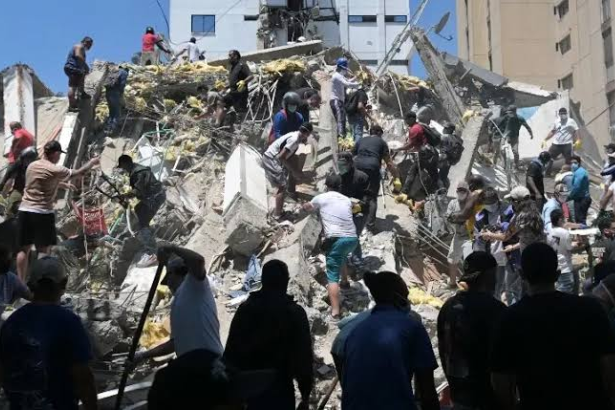
In Cali, part of a hospital was damaged, forcing hundreds of patients to be treated outdoors. Rescue workers have also been searching through collapsed structures for survivors.
Pereira has suffered extensive structural damage, while footage from Manizales showed part of a historic cathedral tower collapsing. Airports in several western Colombian cities were temporarily closed while engineers inspected facilities for structural damage.
The infrastructure disruption matters because hospitals, airports, roads and communications systems become essential pieces of the emergency response immediately after a major earthquake.
If those systems fail, even unaffected areas can become difficult to reach.
Expert Insights and Analysis
The technology lesson from the Colombia earthquake is that modern disaster response depends on far more than emergency crews.
Seismic monitoring
Earthquake monitoring networks provide the first layer of situational awareness. Within minutes, seismic agencies can determine an earthquake’s approximate magnitude, depth and location.
That information helps emergency managers decide where to concentrate resources.
The Colombian Geological Service has maintained nationwide seismic monitoring infrastructure for years, allowing authorities to identify the earthquake quickly and track subsequent activity.
Aftershock monitoring
Aftershocks are another major concern.
Reuters reported that the Colombian Geological Service had recorded 21 aftershocks by Monday night and warned that additional tremors were possible.
For rescue workers, this creates a difficult calculation. Entering an unstable building can save lives, but another strong tremor can cause additional collapse.
Modern seismic networks therefore serve a dual purpose: measuring what has already happened and helping emergency planners understand what could happen next.
Structural technology
The disaster also highlights the importance of structural engineering technology.
Sensors, drones, satellite imagery and rapid building-assessment tools can help authorities determine which structures are safe enough to enter. In a large disaster zone, these tools can provide information faster than traditional inspection teams working building by building.
That becomes particularly valuable when hundreds or thousands of structures need to be assessed simultaneously.
Broader Implications
Emergency technology is becoming infrastructure
A major earthquake exposes the difference between technology that is convenient and technology that is critical.
Mobile networks, satellite communications, mapping systems, emergency alert platforms and cloud-based coordination tools can become lifelines when conventional infrastructure fails.
The Colombia disaster demonstrates why resilience needs to be designed into communications systems before disasters happen, rather than added afterward.
For more technology and infrastructure coverage, readers can explore The Tech Marketer’s technology coverage.
Cities need smarter structural monitoring
One of the biggest long-term opportunities is the use of sensors and automated monitoring in vulnerable buildings.
Connected sensors can potentially detect unusual movement, vibration and structural changes. Combined with AI-assisted analysis, these systems could help authorities prioritize inspections after an earthquake.
That does not eliminate the need for engineers. Instead, it can help engineers decide where their expertise is needed first.
Disaster mapping can accelerate rescue operations
Satellite imagery and drones can create updated maps of damaged neighborhoods within hours.
Those maps can reveal blocked roads, collapsed structures and isolated communities. When combined with geographic information systems, emergency planners can build a more complete picture of where resources should go.
The broader trend is clear: disaster response is becoming increasingly data-driven.
Related History and Comparable Technologies
Colombia has experienced devastating earthquakes before.
The 1999 Armenia earthquake, with a magnitude of about 6.2, caused catastrophic damage in the coffee region and killed more than 1,000 people. Pereira and Armenia were among the hardest-hit areas.
The comparison matters because infrastructure standards and emergency technology have evolved significantly since then.
Today’s responders have access to satellite positioning, digital mapping, faster communications, improved seismic networks and increasingly sophisticated remote-sensing systems.
But technology cannot completely overcome weak infrastructure.
A building that is poorly designed or maintained can still fail regardless of how advanced the emergency response system is.
That is why earthquake resilience has two sides: preventing collapse before an earthquake and improving rescue capabilities after it happens.
What Happens Next
The immediate priority remains search and rescue.
Emergency crews, police, soldiers and volunteers are continuing to work through damaged buildings. Reuters reported that teams were sometimes using excavators and, where necessary, their hands to search for survivors.
Authorities also face several parallel challenges:
- Completing structural inspections.
- Restoring damaged communications and transportation links.
- Providing temporary housing for displaced residents.
- Tracking aftershocks.
- Delivering medical care.
- Identifying people who remain missing.
- Assessing economic and infrastructure losses.
President Abelardo de La Espriella has declared a national emergency and deployed additional security personnel as authorities respond to the crisis. Curfews have also been imposed in some cities amid concerns about looting.
The next few days will be critical because the death toll and damage assessment may continue to change.
Longer term, the earthquake is likely to trigger renewed discussion about seismic building standards, hospital resilience, transportation infrastructure and the use of technology for disaster preparedness.
Conclusion
The Colombia earthquake is now one of the country’s most serious natural disasters in years, with at least 164 confirmed deaths in the latest Reuters update and rescue operations still underway.
The human cost is the central story, but the disaster is also a reminder of how dependent modern emergency response has become on technology.
Seismic networks identify the event. Digital maps show where the damage is concentrated. Communications systems connect rescuers with communities. Drones and satellites can help survey areas that are difficult to reach. Structural monitoring can help engineers determine which buildings are safe.
None of those technologies can undo the destruction.
They can, however, help responders move faster, make better decisions and potentially save lives.
As Colombia moves from immediate rescue toward recovery, the bigger question will be whether the lessons from this earthquake translate into stronger buildings, more resilient infrastructure and smarter emergency systems before the next major tremor arrives.
FAQ
What happened in the Colombia earthquake?
A magnitude 7.4 earthquake struck western Colombia on August 10, 2026, near San José del Palmar in the Chocó department. It caused widespread structural damage and deaths across several cities.
How many people died in the Colombia earthquake?
The latest Reuters report available at publication time puts the confirmed death toll at at least 164, although authorities expect the number to change as rescue teams continue searching damaged buildings.
Where was the Colombia earthquake centered?
The earthquake was centered near San José del Palmar in Colombia’s Chocó department. The USGS reported a depth of approximately 107 kilometers.
Which Colombian cities were most affected?
Cali, Pereira and Manizales were among the hardest-hit cities. Quibdó and communities in Chocó also experienced substantial damage.
Was the Colombia earthquake the country’s strongest?
According to Reuters, the Colombian Geological Service described it as the strongest earthquake recorded in Colombia during the 21st century.
Are more earthquakes expected?
Aftershocks have already been recorded, and Colombian authorities have warned that additional tremors are possible.
How can technology help after an earthquake?
Seismic monitoring, satellite imagery, drones, digital mapping, communications networks and structural sensors can help authorities locate damage, assess buildings and coordinate rescue operations more efficiently.
Sources & References
- Reuters, Colombia rescue efforts press on after quake, death toll expected to rise
Read the Reuters report - Reuters, More than 100 killed after strongest quake this century hits western Colombia
Read the earlier Reuters report - Associated Press, Magnitude 7.4 quake rocks western Colombia, killing at least 111 people
Read the AP report - CNN, Colombia earthquake live updates
Read CNN’s live coverage - The New York Times, What We Know About the Earthquake in Colombia
Read The New York Times report