Introduction
How long do hippos live? That question has suddenly attracted worldwide attention following the heartbreaking death of Fiona, the beloved hippopotamus at Cincinnati Zoo.
Fiona died on November 19, 2026, at just 9 years old after swallowing a knit hat that accidentally entered her habitat. The zoo’s veterinary team attempted multiple treatments to help her pass the object, but the efforts were unsuccessful.
Her death has devastated zoo employees, visitors and millions of people who followed her extraordinary journey from a fragile newborn to an internationally recognized animal celebrity.
But Fiona’s story also raises an important question about hippopotamus life expectancy.
According to National Geographic, hippos can live up to 40 years in the wild and up to 50 years in captivity. Fiona’s death at 9 was therefore exceptionally early compared with the potential lifespan of her species.
Her story is not just about the loss of a beloved animal. It is also a reminder of the importance of wildlife protection, responsible zoo visitation and the extraordinary relationships people can develop with animals.
Background and Context: How Long Do Hippos Live?
Hippopotamuses are among the largest land mammals on Earth. Despite spending much of their day submerged in water, they are closely adapted to life both in aquatic environments and on land.
Their lifespan depends on several factors, including habitat conditions, access to food, veterinary care, environmental threats and individual health.
According to National Geographic, the average hippo lifespan can reach:
| Environment | Potential lifespan |
|---|---|
| Wild | Up to 40 years |
| Captivity | Up to 50 years |
These figures represent potential lifespans rather than guaranteed life expectancy for every individual.
Wild hippos face numerous challenges, including habitat destruction, drought, human conflict and threats from other animals.
Hippos living in accredited zoological institutions may benefit from regular veterinary examinations, controlled diets and protection from many environmental dangers.
However, living in captivity does not eliminate every health risk.
Fiona’s tragic death demonstrates how an unexpected incident can have devastating consequences even when an animal receives intensive professional care.
Latest Update: What Happened to Fiona the Hippo?
The Cincinnati Zoo announced Fiona’s death on November 19, 2026.
According to the zoo’s official statement, Fiona had swallowed a hat that accidentally ended up inside her habitat the previous week.
Veterinary staff immediately began working to help her pass the foreign object.
Despite repeated attempts, the hat remained a serious medical problem.
The zoo confirmed that its team provided supportive care and attempted several treatments, but Fiona’s condition did not improve.
Surgery was not considered a viable option for the more than 2,000-pound hippopotamus.
In its announcement, Cincinnati Zoo director Dave Jenike expressed shock at the outcome and praised the animal care team for its efforts.
The zoo’s statement made clear that Fiona had received intensive attention from veterinary professionals and her regular care staff.
The announcement was followed by an outpouring of tributes from animal lovers, local residents and public figures.
Read the Cincinnati Zoo’s official announcement.
CNN also reported on the circumstances surrounding her death in its coverage, Globally adored hippo Fiona dies after eating a visitor’s hat at Cincinnati Zoo.
How Did the Hat Enter Fiona’s Habitat?
The incident has also raised questions about visitor responsibility at zoological institutions.
According to reporting by CBS News, a visitor tossed the hat into the air, after which a ceiling fan deflected it into Fiona’s enclosure.
The zoo described the object as having entered the habitat accidentally.
The incident illustrates why zoo visitors must follow enclosure safety rules and avoid throwing objects toward animals.
Even seemingly harmless items can become dangerous when swallowed by wildlife.
Fiona’s Extraordinary Life: From Premature Birth to International Fame
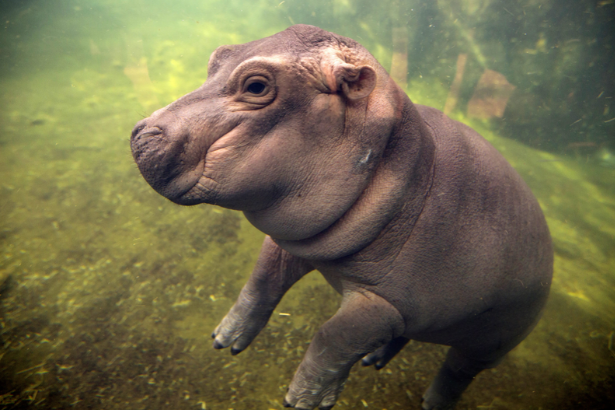
Fiona’s story began on January 24, 2017, at Cincinnati Zoo.
She was born approximately six weeks prematurely and weighed only 29 pounds.
That was significantly below the normal birth weight for a Nile hippopotamus.
The newborn calf was too weak to stand and nurse normally, requiring intensive intervention from the zoo’s animal care team.
Veterinary and animal care professionals provided around-the-clock attention to help her survive.
Her progress quickly attracted international attention.
The zoo regularly shared updates about her health, feeding, development and milestones. People who had never visited Cincinnati began following her recovery online.
Fiona gradually gained strength, learned to swim and eventually joined the other hippos.
Her journey became a symbol of perseverance.
She also helped introduce millions of people to hippopotamuses and wildlife conservation.
The Cincinnati Zoo later described her as an extraordinary animal whose influence reached far beyond the institution.
For more background, read the Cincinnati Zoo’s original announcement introducing Fiona.
Why Was Fiona So Popular?
Fiona’s popularity came from several factors.
First, her survival story was unusual. People followed her development from a dangerously underweight newborn to a healthy adult hippo.
Second, the zoo’s regular social media updates allowed audiences to feel connected to her progress.
Third, her personality and memorable appearances made her recognizable beyond the wildlife community.
Over time, Fiona became part of Cincinnati’s cultural identity.
She appeared in children’s books, merchandise, news coverage and public celebrations.
Her story also demonstrated how social media can help zoological institutions build public interest in wildlife.
Expert Insights: Why Do Hippos Have Such Long Lifespans?
Understanding how long hippos live requires looking at their biology and environment.
Hippos are large mammals with physical characteristics and survival adaptations that allow them to thrive in challenging habitats.
1. Their size and physical adaptations
Adult hippos can weigh several thousand pounds.
Their large bodies help protect them from many predators, although young hippos remain vulnerable.
They also have thick skin and spend considerable time in water to avoid overheating.
2. Access to water and food
Hippos rely heavily on aquatic environments during the day.
They generally leave the water at night to graze on grass.
Access to suitable habitats and reliable food sources is important for maintaining their health.
3. Veterinary care
In captivity, regular health monitoring can help identify medical problems before they become serious.
Zoo veterinarians can monitor nutrition, dental health, mobility and other aspects of an animal’s condition.
However, as Fiona’s experience demonstrates, even extensive veterinary care cannot guarantee survival from every medical emergency.
4. Environmental threats
Wild hippos face growing pressure from habitat loss, human activity and environmental changes.
These threats can affect food availability, reproductive success and survival.
Protecting natural habitats remains essential for the long-term conservation of the species.
Broader Implications: Fiona’s Death Raises Questions About Zoo Safety
Fiona’s death has created an important conversation about how zoos protect animals from preventable dangers.
The responsibility of zoo visitors
Visitors often bring personal belongings into zoological facilities.
Hats, food packaging, plastic objects and other small items can become hazards if they enter animal habitats.
Animals do not understand the difference between safe food and potentially dangerous foreign objects.
That makes visitor awareness especially important.
Zoo visitors should never throw objects into enclosures, attempt to feed animals without permission or cross protective barriers.
Social media and wildlife awareness
Fiona demonstrated how a single animal can attract worldwide attention to wildlife education.
Her popularity introduced people to hippos who might otherwise never have researched the species.
This is an important opportunity for conservation organizations.
When audiences develop emotional connections with individual animals, they may become more interested in broader wildlife protection efforts.
The emotional impact of losing an animal
Fiona’s death also highlights the emotional connections people form with animals they have followed for years.
For children especially, the news can create an opportunity to discuss grief, mortality and the importance of caring for living creatures.
A related perspective appeared in WRAL’s Associated Press coverage of how Fiona’s death gives parents an opportunity to teach children about grief and life.
Related History: Other Famous Animals Who Captured the World’s Attention
Fiona was not the first zoo animal to become an international celebrity.
Animals such as Knut, the polar bear at Berlin Zoo, attracted enormous public attention after their early-life survival stories became international news.
Similarly, Harambe, the western lowland gorilla at Cincinnati Zoo, became the subject of worldwide discussion following his death in 2016.
These stories demonstrate how individual animals can become symbols of larger conversations about wildlife, conservation, zoo management and human responsibility.
Fiona’s story was different because her public identity developed over nearly a decade.
Millions followed her from premature birth through adulthood.
Her death therefore represents the loss of an animal that many people felt they had watched grow up.
What Happens Next?
Following Fiona’s death, attention will turn toward the Cincinnati Zoo’s animal care team and the future of its hippopotamus group.
Several developments are worth watching.
1. Zoo community remembrance
The Cincinnati Zoo is expected to continue receiving tributes from visitors and supporters who followed Fiona’s life.
2. Wildlife education
Her story may encourage renewed discussions about hippo biology, animal welfare and responsible zoo visitation.
3. Her surviving family
Fiona’s family includes her mother, Bibi, and her younger half-brother, Fritz, born in 2022. The zoo’s care team will continue focusing on the well-being of the animals in its care.
4. Improved enclosure awareness
The incident reinforces the importance of preventing foreign objects from entering animal habitats.
5. Fiona’s lasting legacy
Her influence on wildlife awareness and the Cincinnati community is likely to remain part of the zoo’s history.
Conclusion
So, how long do hippos live?
These remarkable animals can live up to 40 years in the wild and up to 50 years in captivity, according to National Geographic.
Fiona lived only 9 years.
Her death following the accidental ingestion of a visitor’s hat was a devastating loss for Cincinnati Zoo and the millions of people who followed her life.
But her story should not be remembered only for its tragic ending.
She survived a premature birth that initially gave her little chance of survival, became a worldwide sensation and introduced countless people to the importance of wildlife care.
Fiona’s legacy is a reminder that animals can have an extraordinary impact on human lives.
And perhaps the most important lesson from her death is a simple one: protecting wildlife sometimes begins with the smallest acts of responsibility.
Frequently Asked Questions
1. How long do hippos live?
Hippos can live up to 40 years in the wild and up to 50 years in captivity, according to National Geographic.
2. How old was Fiona the hippo when she died?
Fiona was 9 years old when she died on November 19, 2026. She would have celebrated her tenth birthday in January 2027.
3. What happened to Fiona the hippo?
Fiona died after swallowing a knit hat that accidentally entered her habitat at Cincinnati Zoo. Veterinary staff attempted multiple treatments, but she could not recover.
4. Why did Fiona become famous?
Fiona became internationally famous after surviving a premature birth in 2017. She weighed only 29 pounds and required intensive care from the Cincinnati Zoo team.
5. How much did Fiona weigh when she was born?
Fiona weighed just 29 pounds at birth, approximately six weeks before her expected due date.
6. Can hippos live longer in captivity?
Hippos can potentially live longer in captivity because of regular veterinary attention, controlled nutrition and protection from some environmental threats. National Geographic lists a potential captive lifespan of up to 50 years.
7. What type of hippo was Fiona?
Fiona was a Nile hippopotamus, scientifically known as Hippopotamus amphibius.
8. Where did Fiona live?
Fiona lived at the Cincinnati Zoo & Botanical Garden in Cincinnati, Ohio, United States.
Sources & References
- CNN: Globally Adored Hippo Fiona Dies After Eating a Visitor’s Hat at Cincinnati Zoo. November 19, 2026.
https://www.cnn.com/2026/11/19/us/fiona-hippo-dies-cincinnati-zoo - Cincinnati Zoo & Botanical Garden: Beloved Hippo Fiona Has Passed Away. November 19, 2026.
https://cincinnatizoo.org/beloved-hippo-fiona-has-passed-away/ - National Geographic: Hippopotamus: Facts and Photos.
https://www.nationalgeographic.com/animals/mammals/facts/hippopotamus - Reuters: Fiona, Beloved Cincinnati Zoo Hippo, Dies After Ingesting Hat. November 19, 2026.
https://www.reuters.com/lifestyle/fiona-beloved-cincinnati-zoo-hippo-dies-after-ingesting-hat-2026-11-19/ - WRAL / Associated Press: Fiona’s Death Gives Parents a Chance to Teach Kids About Grief and Life.
https://www.wral.com/news/ap/61635-fiona-s-death-gives-parents-a-chance-to-teach-kids-about-grief-and-life/