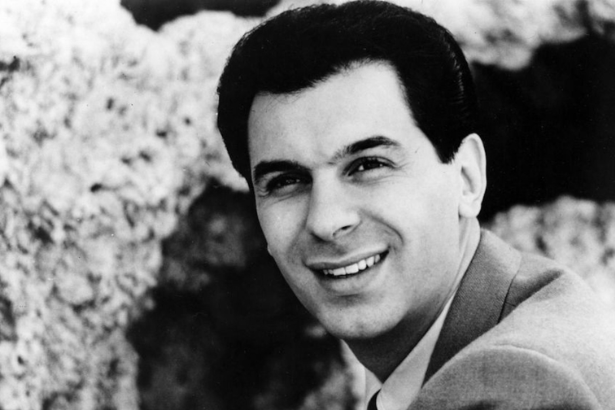
Freddy Cannon death was confirmed on July 17, 2026, when iHeart Radio’s Tom Cuddy, Cannon’s longtime friend, announced that the rock and roll pioneer had died at a hospice facility in Oxnard, California, following a brief battle with cancer. He was 89. Born Frederick Anthony Picariello Jr. on December 4, 1936, in Revere, Massachusetts, Cannon spent more than seven decades in music, landing three top 10 hits on the Billboard Hot 100, selling out venues from Boston to Las Vegas, recording a new charting single right up to the end of his life, and holding the all-time record for appearances on Dick Clark’s American Bandstand with 110 visits to the iconic program. His daughter Conny Weber said in a statement: “We would like to thank everyone for their love and support throughout our dad’s life. He will be remembered as a rock and roll icon. His music will live forever in our hearts.”
How Freddy Cannon Died
Cannon had been scheduled to sit for what would have been his final interview with legendary DJ Cousin Brucie Morrow on July 11, 2026. He was taken to the hospital the day before that appearance was to take place. He died six days later, on July 17, at a hospice facility in Oxnard, California, where he had lived for many years. His children Conny and Billy were with him in the days before his death.
Cuddy, who confirmed the death publicly, described Cannon in terms that captured both his artistic identity and his personal warmth: “Freddy didn’t do ballads.” That single line, circulated widely following the announcement, functioned as both a musical description and a character portrait. Cannon’s entire career was built on high energy, booming percussion, and the kind of unadorned rock and roll joy that made audiences get to their feet. He was reportedly working on music at his Oxnard home right up to his death, and at the time of his passing he had a top 20 song on the United Kingdom’s Heritage Charts, a number he had recorded that year called “All She Wants to Do Is Dance,” which was also in regular rotation on the SiriusXM 1960s channel.
The Three Top 10 Hits That Defined His Career
Freddy Cannon landed three songs in the top 10 of the Billboard Hot 100 across a career that began when Elvis Presley was still a year away from his first Ed Sullivan appearance. Each of the three songs tells a distinct story about who Cannon was as an artist and what his era of rock and roll sounded like at its most exuberant.
“Tallahassee Lassie,” released in 1959, peaked at number six on the Billboard Hot 100 and became his commercial breakthrough. Cannon co-wrote the song with Bob Crewe and Frank Slay, two producers who would go on to define a significant portion of the era’s pop sound. The song’s driving rhythm and Cannon’s hollering vocal style introduced the nickname that would follow him for seven decades: Freddy “Boom Boom” Cannon, a moniker inspired by the thunderous bass drum that punctuated his records. Author Stephen King wrote in one reflection that growing up he played his 45s of Elvis, Chuck Berry, and Freddy Cannon on a Webcor turntable, and referenced Cannon’s music across four of his published novels.
“Way Down Yonder in New Orleans,” released in 1960, reached number three on the Billboard Hot 100 and also made number three on the Official UK Singles Chart. The song was a rock and roll reworking of a standard that dated to 1922, and its success demonstrated Cannon’s ability to transform familiar material into something that felt unmistakably contemporary. The album that accompanied this period, “The Explosive! Freddy Cannon,” reached number one on the Official UK Albums Chart in March 1960, making Cannon just the fourth artist associated with rock and roll to top that chart, following Bill Haley and the Comets, Elvis Presley, and Tommy Steele.
“Palisades Park,” released in 1962, became his highest-charting single, peaking at number three on the Hot 100. Written by Chuck Barris, who would later achieve his greatest fame as the creator and host of The Gong Show, the song captured the amusement park atmosphere of the New Jersey shore attraction it was named for. The Beach Boys covered it on their 1976 album “15 Big Ones.” The Ramones included it on their 1989 album “Brain Drain.” And Stephen King featured it in his 2011 novel “11/22/63,” one of four King books that referenced Cannon’s work.
The American Bandstand Record No One Has Broken
Cannon holds the all-time record for appearances on Dick Clark’s American Bandstand, with 110 visits to the program across the show’s run. That figure is not a minor footnote in the history of rock and roll television. American Bandstand was the most watched music program in the country for most of Cannon’s active career, and its endorsement was the primary mechanism through which new rock and roll acts reached national audiences in the years before music television existed in any other form.
Dick Clark and Cannon were closely linked beyond the television record. When an early recording of what would become “Tallahassee Lassie” caught Clark’s attention, Clark advised Cannon and his wife Jeanette to move from Massachusetts to Philadelphia, where Clark produced his daily American Bandstand broadcast for ABC-TV. Cannon followed that advice, relocating in his late teens to a city that became the center of his early professional life.
He also appeared on Clark’s daily ABC-TV series “Where the Action Is” in 1965, landing a top 15 Hot 100 hit with the show’s theme “Action,” adding yet another chapter to a professional relationship that spanned decades and defined the arc of Cannon’s commercial peak.
A Career That Never Really Stopped
What separates Freddy Cannon’s story from that of many one-era hitmakers is the longevity of his engagement with music and live performance. He performed on the major music television programs of multiple generations, including Shindig, The Midnight Special, Hullabaloo, Where the Action Is, and Sha Na Na. He notched 23 Hot 100 entries between 1959 and 1981, his final chart appearance coming with “Let’s Put the Fun Back in Rock N Roll,” a collaboration with The Belmonts, the backing group associated with Dion.
He performed alongside Chuck Berry, Fats Domino, Little Richard, Chubby Checker, Jerry Lee Lewis, Bo Diddley, Connie Francis, and Brenda Lee across a career that placed him in the company of essentially every significant figure in the first generation of American rock and roll. His songs appeared in George Clooney’s 2002 film “Confessions of a Dangerous Mind,” which told the story of Chuck Barris, the man who wrote “Palisades Park,” and in the 2011 Marvel film “X-Men: First Class.” He published a memoir, “Where the Action Is,” co-written with author Mark Bego, in 2011, the same year Stephen King published the novel that featured his most famous song.
He was, per his own description in a 2011 interview, exactly what he intended to be: “I don’t have a great voice, but I’ll rock with the best out there, live onstage. If they want to come and see me they’ll find out how good I am onstage. What mattered to me was to sing real, raw rock ‘n’ roll records.”
Family and Personal Life
Frederick Anthony Picariello Jr. was born on December 4, 1936, in Revere, Massachusetts, and was raised in Lynn, Massachusetts. He learned guitar as a child while listening to rhythm and blues on the radio, influences that included Big Joe Turner and Buddy Johnson. His father, a truck driver who also played trumpet and sang in local bands, gave him an early foundation in music.
He married his high school sweetheart, Jeanette, and the two relocated to Philadelphia at Dick Clark’s urging in his late teens. They remained married for decades. Jeanette Cannon died on September 25, 2024. Cannon’s son John died on April 13, 2026, just three months before Freddy’s own death. He is survived by his children Conny Weber and Billy Cannon, his sister Mary Lou, his son-in-law Jim and daughter-in-law Beth, five grandchildren, and seven great-grandchildren.
Latest Updates
Freddy Cannon died on July 17, 2026. Billboard confirmed his death, the three Billboard Hot 100 top 10 hits, the 110 American Bandstand appearance record, his survivors, and his daughter Conny Weber’s statement. Syracuse.com reported tributes from the music community describing Cannon as a legend and true rocker. The New York Times confirmed the death on July 24, describing Cannon as a Rocker Who Sang Palisades Park and situating his career within the broader history of early American rock and roll.
Sources: Syracuse.com | The New York Times | Billboard
Broader Implications
Freddy Cannon’s death removes one of the last direct links to the first generation of American rock and roll, the brief and transformative window between 1955 and 1963 when a new musical form rewired popular culture, created a new relationship between performers and audiences, and established the commercial structures that still govern how popular music is made and sold today. Cannon was not the most famous name from that era, but he was one of its most enduring presences, a performer who kept playing because he genuinely loved playing, who kept recording because he could not imagine stopping, and who made a chart in the United Kingdom in the year of his death at age 89. That is not a career that ended. It is a career that was interrupted. For more entertainment and culture coverage, visit thetechmarketer.com.
If you or someone you know is struggling with grief or loss, help is available. Contact the 988 Suicide and Crisis Lifeline by calling or texting 988. You are not alone.
3. FREQUENTLY ASKED QUESTIONS
- How did Freddy Cannon die?
Freddy Cannon died on July 17, 2026, at a hospice facility in Oxnard, California, following a brief battle with cancer. He was 89. His death was confirmed by longtime friend and iHeart Radio executive Tom Cuddy. His children Conny and Billy were with him in the days before his death.
- What were Freddy Cannon’s biggest hits?
Freddy Cannon landed three top 10 hits on the Billboard Hot 100: “Tallahassee Lassie” peaked at number six in 1959, “Way Down Yonder in New Orleans” reached number three in 1960, and “Palisades Park” reached number three in 1962. He notched 23 Hot 100 entries between 1959 and 1981 and had a top 20 song on the UK Heritage Charts at the time of his death.
- Why was Freddy Cannon called Boom Boom?
Freddy Cannon earned the nickname “Boom Boom” from the thunderous big bass drum sound that characterized his recordings. The percussive, booming production style became his sonic signature and distinguished his records from more polished pop contemporaries of the late 1950s and early 1960s.
- How many times did Freddy Cannon appear on American Bandstand?
Freddy Cannon holds the all-time record for appearances on Dick Clark’s American Bandstand with 110 visits to the program. No other performer in the show’s history matched that total. Cannon and Clark had a close professional relationship dating to the late 1950s, when Clark encouraged Cannon to relocate from Massachusetts to Philadelphia.
- Who are Freddy Cannon’s survivors?
Freddy Cannon is survived by his children Conny Weber and Billy Cannon, his sister Mary Lou, his son-in-law Jim and daughter-in-law Beth, five grandchildren, and seven great-grandchildren. His wife Jeanette, his high school sweetheart, died on September 25, 2024. His son John died on April 13, 2026, three months before Freddy’s own passing.
4. SOURCES AND REFERENCES
- Syracuse.com: Rock and Pop Star Who Rose to Fame in 1950s Dead at 89: ‘Legend and True Rocker’
- The New York Times: Freddy Cannon, Rocker Who Sang ‘Palisades Park,’ Dies at 89
- Billboard: Freddy Cannon, Early Rock and Roll Era Hitmaker, Dies at 89