Introduction
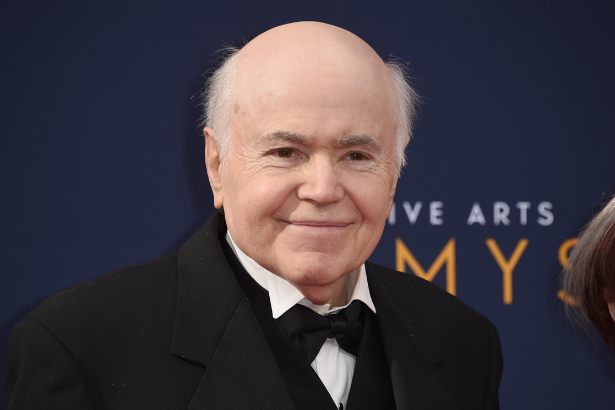
The death of Walter Koenig, the actor who made Pavel Chekov a familiar face aboard the USS Enterprise in the original Star Trek television series, marks the loss of one of science fiction’s most recognizable performers.
Koenig died at the age of 90, according to reports published on October 26, 2026. Best known for playing the Enterprise’s young Russian navigator, he became part of a television franchise whose influence extended far beyond its original broadcast run.
His portrayal of Chekov placed him alongside William Shatner, Leonard Nimoy, George Takei, Nichelle Nichols, and James Doohan in a series that helped define modern science-fiction television. Koenig continued playing the character in feature films and later franchise projects, building a relationship with fans that lasted decades.
News of his death prompted tributes from former castmates and renewed interest in his life and career. The Google Trends screenshot supplied for this article shows a pronounced surge in searches for “Walter Koenig,” alongside related queries about George Takei, Star Trek, and the character of Chekov.
But Koenig’s career was never limited entirely to the bridge of the Enterprise. He worked as a television writer, appeared in other science-fiction productions, and took on a memorable role in Babylon 5, where he played the formidable Psi Cop Alfred Bester.
His passing invites a broader look at the performer behind a beloved character, the cultural significance of the series that made him famous, and the enduring relationship between science-fiction stories and their audiences.
Background and Context: Who Was Walter Koenig?
Walter Marvin Koenig was born in Chicago, Illinois, on September 14, 1936, and grew up in Manhattan.
He studied at the University of California, Los Angeles, graduating with a degree in psychology in 1958. An acting class helped redirect his interests toward performance, and he subsequently studied acting in New York before beginning his professional television career.
Koenig appeared in television productions during the early 1960s before receiving the opportunity that would define much of his public identity.
In 1967, he joined Star Trek: The Original Series during its second season as Ensign Pavel Chekov, a young Russian officer serving aboard the starship Enterprise.
The casting had particular significance in the context of the era. The original series aired during the Cold War, when the United States and the Soviet Union were geopolitical rivals. Introducing a Russian crew member into a future-oriented, multinational exploration team offered a vision of cooperation that contrasted with the political divisions of the time.
Chekov became part of the Enterprise’s bridge crew, working alongside officers from different backgrounds in pursuit of exploration and scientific discovery.
The character was often presented as enthusiastic, confident, and eager to demonstrate his knowledge. Koenig’s performance helped make Chekov a distinctive member of an ensemble that included several characters who would become enduring television icons.
Although the original series ran for only three seasons, its audience and cultural influence grew after its cancellation. Reruns, conventions, films, and subsequent television productions helped turn Star Trek into a lasting entertainment institution.
Koenig remained connected to that world for much of his life.
Latest Update: Walter Koenig’s Death and the Tributes That Followed
News of Koenig’s death was reported by major entertainment and news organizations on October 26, 2026. He was 90.
According to reporting by The New York Times, Yahoo Entertainment, and The Hollywood Reporter, Koenig died at his home in North Hollywood, Los Angeles. His representative, Zachery McGinnis, confirmed the news, and reports said his daughter and niece were with him.
The announcement prompted an outpouring of tributes from people who had worked with him and from fans who had followed his career for decades.
Among those remembering him was George Takei, who played Hikaru Sulu in the original Star Trek series.
Takei described Koenig as more than the character audiences knew from television, remembering him as a writer, teacher, thoughtful person, and loyal friend. Their relationship extended well beyond their years working together on the series.
The tribute reflected a recurring theme in the response to Koenig’s death: the distinction between an actor’s famous screen persona and the wider life behind it.
For many viewers, Koenig will always be Chekov. For colleagues and friends, he was also a creative professional whose interests included writing, teaching, and work across multiple areas of entertainment.
The reaction also demonstrated the unusual longevity of the original Star Trek cast’s cultural influence. More than half a century after Koenig first appeared as Chekov, his passing became an international entertainment story.
Expert Analysis: Five Reasons Walter Koenig’s Legacy Matters
1. Pavel Chekov represented a vision of international cooperation
Koenig joined Star Trek at a time when Cold War tensions shaped international politics and public imagination.
Chekov’s presence aboard the Enterprise placed a Russian character within a fictional team dedicated to exploration, diplomacy, and scientific discovery.
The character was not a detailed political argument in himself, and the original series sometimes relied on broad national stereotypes for humor and characterization. Nevertheless, the decision to include a Russian officer within a cooperative future offered audiences a different possibility from the divisions dominating contemporary headlines.
Chekov served alongside American, Japanese, Scottish, and African American characters in a crew whose mission depended on working together.
That vision remains an important part of the original series’ legacy.
Koenig’s performance helped make the character approachable and recognizable, giving audiences another personality to follow within the Enterprise’s ensemble.
2. He became part of television history through an ensemble cast
The original Star Trek cast became one of television’s most recognizable science-fiction ensembles.
William Shatner played Captain James T. Kirk, Leonard Nimoy portrayed Spock, Nichelle Nichols played Nyota Uhura, James Doohan appeared as Montgomery Scott, and George Takei portrayed Hikaru Sulu.
Koenig joined that group during the second season.
Chekov’s youthful energy and distinctive delivery helped distinguish him from the other bridge officers. The character became particularly familiar to viewers through his enthusiastic claims about Russian contributions to history and science, which became a recurring source of humor.
Koenig appeared in 36 of the original series’ 50 episodes that aired between 1967 and 1969, according to published reporting.
His involvement did not end when the television series was canceled. He reprised Chekov in seven Star Trek feature films, helping carry the original crew into a new era of theatrical storytelling.
The films strengthened the association between the original cast and the franchise’s continuing success.
For Koenig, that meant returning to a character that had become inseparable from his public identity.
3. His career extended beyond Star Trek
Koenig’s work outside Star Trek deserves attention because it reveals a performer with interests and abilities that extended beyond one famous role.
He worked as a television writer, contributing scripts to productions including Family, The Incredible Hulk, and other series.
Writing offered a different relationship with television. Instead of appearing in front of the camera, Koenig could help shape the stories and characters audiences encountered.
He also pursued stage work and other acting opportunities, including performances that demonstrated a different side of his abilities.
Like many actors associated with iconic roles, he faced the challenge of being closely identified with a single character.
That association brought professional recognition and a devoted audience, but it could also limit the opportunities casting professionals imagined for him.
Koenig spoke in earlier interviews about the difficulties of being typecast and his desire to be recognized for a wider range of work.
His career therefore offers a useful reminder that an actor’s public reputation rarely captures the full scope of their professional life.
4. Babylon 5 introduced him to another generation of science-fiction fans
Koenig’s role in Babylon 5 demonstrated his ability to move from one influential science-fiction franchise to another.
In the series, he played Alfred Bester, a powerful Psi Cop whose relationship with the show’s protagonists was often antagonistic.
The role contrasted sharply with Chekov.
Where Chekov was part of an exploratory team operating within a largely optimistic vision of the future, Bester represented institutional authority, ideological rigidity, and the potential dangers of concentrated power.
Koenig embraced the opportunity to play a character with a different temperament.
Bester became a memorable presence in Babylon 5, which developed its own devoted following during the 1990s.
For viewers who discovered Koenig through that series, he was not simply the familiar face from Star Trek. He was an actor capable of bringing menace, confidence, and complexity to a very different role.
That second science-fiction legacy is an important part of his career.
5. His relationship with fans lasted for decades
The original Star Trek series developed an unusually active fan community after its cancellation.
Conventions, fan publications, merchandise, and repeated television broadcasts helped sustain interest in the characters and performers.
Koenig participated in conventions and fan events throughout his career, maintaining a relationship with audiences that extended well beyond the original episodes.
For many fans, meeting an original cast member offered a tangible connection to a series that had shaped their interests in science fiction, technology, exploration, and storytelling.
That relationship became part of the franchise’s continuing cultural life.
The tributes following Koenig’s death reflect how strongly viewers can connect with fictional characters and the people who portray them.
His work introduced generations of audiences to Chekov, but his appearances and interactions with fans also helped keep the original series present in popular culture.
Broader Implications: Why Walter Koenig Is Trending on Google
The supplied Google Trends screenshot shows a sharp rise in searches for “Walter Koenig,” followed by a gradual decline toward the end of the displayed period.
The graph suggests that attention was concentrated around the news cycle surrounding his death. It does not establish the exact number of searches or explain why each individual searched for his name.
Several factors help explain the pattern.
Breaking news brings renewed attention to familiar figures
When a well-known actor dies, audiences often search for confirmation, biographies, career highlights, and tributes.
For people who grew up watching the original Star Trek, Koenig’s death was a reason to revisit the show and remember the cast.
For younger audiences, the news may have prompted a first encounter with his work.
That combination of long-time fans and newly curious readers can generate a concentrated burst of search interest.
Iconic roles create enduring public recognition
Koenig’s name is closely connected to Chekov, a character that remains familiar through reruns, films, streaming availability, and the wider Star Trek franchise.
This creates a lasting relationship between the actor and the audience, even for viewers who have not followed his later career.
The result is a name that can attract renewed interest whenever a major biographical development occurs.
Tributes generate related searches
The screenshot includes related searches associated with George Takei, Chekov, and other Star Trek cast members.
That pattern makes sense in the context of an obituary. Readers often move from the person who died to the people who worked alongside them, the characters they played, and the productions they helped create.
However, Google Trends reflects relative search interest, not a complete count of people or an independent measure of public sentiment.
The responsible interpretation is that Koenig’s death generated a noticeable increase in online attention during the displayed period.
For more coverage of technology, digital culture, and the way online trends shape news, readers can explore The Tech Marketer.
Related History: Star Trek’s Lasting Influence on Science Fiction
When Star Trek debuted in 1966, it offered a future in which humanity had moved beyond many of its contemporary divisions and organized exploration around cooperation and discovery.
The series combined adventure with stories about war, prejudice, ethics, and political conflict.
Its fictional technology also helped establish a visual vocabulary for later science-fiction storytelling. Communicators, shipboard computers, advanced sensors, and faster-than-light travel became familiar elements of the genre, even though the fictional devices differed from real-world technologies.
The franchise continued through animated productions, feature films, and later television series featuring new characters and settings.
Each generation of Star Trek built on the original premise while responding to different cultural concerns.
The original cast remained important to that evolution because its members helped establish the characters and relationships that audiences continued to recognize.
Koenig’s role as Chekov was part of that foundation.
His career also illustrates how science-fiction franchises can provide performers with opportunities that last far beyond an individual production. The original series ended in 1969, but Koenig continued playing Chekov in films and later projects for decades.
That longevity is unusual in television and helps explain why news about the original cast continues to resonate.
What Happens Next?
The immediate focus following Koenig’s death is likely to remain on tributes, retrospectives, and renewed attention to his work.
Fans will revisit his most recognizable performances
Viewers may return to original Star Trek episodes and films featuring Chekov, while Babylon 5 fans revisit his appearances as Alfred Bester.
These performances offer different perspectives on his range and his place in science-fiction television.
His career may receive broader reassessment
Obituaries often encourage audiences to look beyond a person’s most famous role.
Koenig’s writing work, stage performances, and later acting roles provide opportunities to consider the breadth of his career rather than treating him exclusively as the actor who played Chekov.
The original cast’s legacy will continue to evolve
The original Star Trek cast helped establish a franchise that has outlasted its initial television run by decades.
As time passes, historical retrospectives and fan communities will continue to preserve the stories behind the original production.
Koenig’s death adds another chapter to that history, while his performances remain available for audiences to revisit.
Conclusion
Walter Koenig’s death at 90 marks the passing of an actor whose career became closely associated with one of science fiction’s most enduring television franchises.
As Pavel Chekov, he helped bring the original Star Trek series’ vision of exploration and international cooperation to life. He returned to the role in seven feature films and continued engaging with the franchise and its fans for decades.
Yet his career also included television writing, stage performances, and a memorable role as Alfred Bester in Babylon 5.
The Google Trends spike surrounding his death reflects the continuing connection between familiar screen characters and the audiences who grew up with them.
Koenig’s legacy rests not only on the number of times he appeared aboard the Enterprise, but also on the stories, performances, and relationships that kept his work relevant long after the original series ended.
For fans of Star Trek, he will remain the young navigator whose enthusiasm became part of the show’s identity. For science-fiction audiences more broadly, his career serves as a reminder that even a performer strongly associated with one iconic role can leave a much wider creative legacy.
Frequently Asked Questions
1. Who was Walter Koenig?
Walter Koenig was an American actor and writer best known for playing Pavel Chekov in Star Trek: The Original Series and its related films. He also appeared as Alfred Bester in Babylon 5 and worked as a television writer.
2. How old was Walter Koenig when he died?
Koenig was 90. He was born on September 14, 1936, and news organizations reported his death on October 26, 2026.
3. What character did Walter Koenig play in Star Trek?
He played Ensign Pavel Chekov, the young Russian navigator aboard the USS Enterprise in the original television series. He reprised the character in seven Star Trek feature films.
4. Why is Walter Koenig trending on Google?
His death prompted renewed interest in his life, career, and role as Chekov. The supplied Google Trends screenshot shows a sharp rise in searches for his name during the displayed period.
5. Did Walter Koenig appear in Babylon 5?
Yes. He played Alfred Bester, a recurring antagonist in Babylon 5. The role differed significantly from Chekov and introduced his work to another science-fiction audience.
6. What did George Takei say about Walter Koenig?
Takei remembered Koenig as more than the character of Chekov, describing him as a writer, teacher, thoughtful person, and loyal friend.
7. Was Walter Koenig involved in writing?
Yes. In addition to acting, Koenig wrote for television productions, including Family and The Incredible Hulk. His writing career was one part of a professional life that extended beyond Star Trek.
8. How many original Star Trek episodes featured Walter Koenig?
Published reporting states that Koenig appeared in 36 of the original series’ 50 episodes aired between 1967 and 1969.
9. What is Walter Koenig’s legacy?
Koenig’s legacy includes his portrayal of Chekov, his contribution to the original Star Trek ensemble, his work on Babylon 5, his television writing, and his decades-long relationship with science-fiction fans.
Sources & References
- The New York Times, “Walter Koenig, Chekov From ‘Star Trek,’ Has Died.” October 26, 2026.
- Yahoo Entertainment, “Star Trek Actor Walter Koenig, Who Played Pavel Chekov, Dies Aged 90.” October 2026.
- The Hollywood Reporter, “Walter Koenig, the Russian Crewman Chekov on ‘Star Trek,’ Dies at 90.” October 2026.