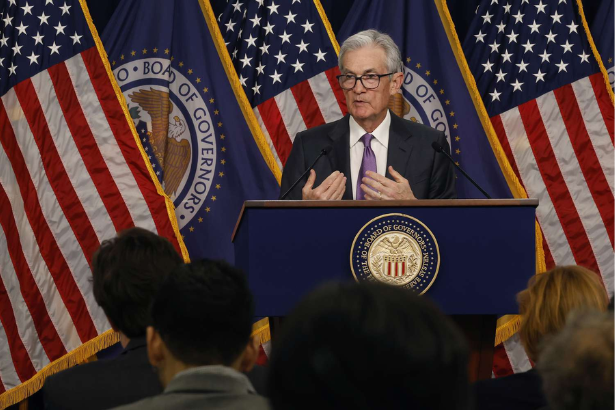
Fed rate cut decisions define borrowing costs, market direction, and business confidence across the entire economy. The Federal Reserve just delivered what everyone expected but nobody wanted to bet on. After holding rates at restrictive levels for nearly two years, the FOMC finally cut rates in December. Not because inflation disappeared. Not because the economy collapsed. But because the data gave them just enough confidence to stop squeezing so hard.
Markets spent months pricing this in. Businesses delayed investments waiting for cheaper credit. Consumers put off major purchases hoping mortgage rates would drop. Now the Fed rate cut is here, and everyone’s asking the same question: is this the beginning of a real easing cycle, or just a brief pause before the Fed goes back to fighting inflation?
The Fed Finally Blinked
For most of 2024 and 2025, the Federal Reserve kept interest rates high while inflation slowly cooled. Jerome Powell repeated the same message at every press conference: we’re committed to bringing inflation back to 2 percent, even if it means keeping rates restrictive longer than anyone wants.
That strategy worked, but it came with costs. Business lending slowed down. Consumer spending moderated. Credit card delinquencies started ticking up. Housing markets froze as mortgage rates stayed above 7 percent for months.
By late 2025, core inflation had decelerated enough that officials could finally consider easing without looking reckless. CNBC reported that policymakers spent the last quarter focused on balancing inflation progress against the risk of causing unnecessary economic damage.
The recent data on consumer prices, wage growth, and credit conditions created an opening. Markets saw it coming. Businesses positioned for it. And the Fed delivered.
What Actually Happened at the December Meeting
The FOMC announced a rate cut, confirming what futures markets had been pricing in for weeks. The decision wasn’t surprising. The language around it was.
CNBC noted that officials paired the reduction with updated forward guidance emphasizing continued vigilance on inflation. Translation: they’re cutting rates now, but they’re not promising anything about February or beyond.
Reuters highlighted the cautionary tone in the statement. Policymakers made clear this cut doesn’t automatically mean a series of cuts. They’re watching incoming data closely. If inflation stays sticky or reaccelerates, they’ll pause. If it continues falling toward target, they’ll keep easing.
CNN focused on market reactions. Bond yields moved immediately. Equities rallied in rate-sensitive sectors like housing and regional banks. The dollar weakened slightly as investors adjusted expectations for how aggressive the Fed would be in 2026.
The decision reflects what everyone watching the Fed already knew: they’re navigating without a clear map. Data dependency isn’t just a talking point anymore. It’s the actual strategy.
Why This Cut Matters More Than the Last Hike
Economists generally agree the Fed is threading a needle. Cut too fast, and inflation could reignite. Cut too slow, and the economy slides into unnecessary weakness.
Several analysts quoted in Reuters and CNN coverage pointed to key factors driving the decision:
Wage growth has cooled significantly without causing labor market distress. Credit conditions tightened enough that consumers and businesses are already adjusting behavior. Markets had priced in the cut, but uncertainty about the 2026 path remains high.
The Fed wants policy flexibility. They’re committed to hitting 2 percent inflation, but they’re also watching unemployment closely. If the labor market weakens faster than expected, they’ll accelerate cuts. If inflation proves stubborn, they’ll pause.
That optionality matters. The Fed spent 2023 and 2024 fighting credibility battles over whether they’d actually hold rates high long enough. Now they’re facing a different test: can they ease without losing control of inflation expectations?
What This Means for Everyone Who Isn’t a Fed Watcher
The implications extend beyond markets and monetary policy wonks.
Businesses get breathing room
Lower borrowing costs ease financing conditions for capital investments, inventory management, and hiring decisions. Companies in manufacturing, logistics, and commercial real estate that put projects on hold during the high-rate period can start planning again.
Rate-sensitive sectors see the most immediate impact. Construction firms financing new developments. Manufacturers upgrading equipment. Service businesses expanding locations. All of them face lower debt service costs if rates continue falling.
Consumers see gradual relief
Mortgage rates, auto loans, and credit card APRs will decline eventually. Not overnight. Not dramatically. But gradually as lenders adjust to the new rate environment and competition for borrowers increases.
The impact depends on how deep the cutting cycle goes. One 25 basis point reduction doesn’t move mortgage rates much. But if the Fed cuts four or five times in 2026, that adds up. A 30-year mortgage at 6.5 percent instead of 7.2 percent saves buyers hundreds per month.
Financial markets stay volatile
Equities typically benefit from easing cycles, but uncertainty creates swings. When the Fed signals mixed messages about the pace of cuts, traders react. Technology and growth stocks tend to outperform in declining rate environments. Financials face pressure as net interest margins compress.
Bond markets are pricing in a shallow easing cycle. If the Fed cuts more aggressively than expected, long-term yields could fall significantly. If inflation stays elevated and the Fed pauses after one or two cuts, yields could reverse.
Policy dynamics shift
The rate cut could reshape how fiscal policy interacts with monetary policy. With improved borrowing conditions, government financing costs decline. That creates more space for spending, though election-year politics will determine whether that happens.
The Tech Marketet has covered extensively how monetary and fiscal policy coordination impacts business planning when rate environments shift.
The 2019 Comparison Everyone’s Making
The 2019 mid-cycle adjustment provides the closest historical parallel. The Fed cut rates three times despite relatively solid economic conditions. Powell called it a “risk management” strategy designed to sustain expansion rather than respond to crisis.
Markets initially rallied on those cuts, then questioned whether the Fed would continue easing. When Powell signaled a pause, volatility spiked. Eventually, the strategy worked. The economy kept growing until COVID hit.
Similar patterns occurred in the mid-1990s when Alan Greenspan reduced rates preemptively to maintain expansion. Those cuts helped extend the longest peacetime economic growth period in U.S. history.
The difference now: inflation. Both previous easing cycles happened when price pressures weren’t a concern. The Fed could focus entirely on supporting growth. This time, they’re managing two objectives simultaneously.
What Happens in the First Half of 2026
Markets expect additional cuts, though nobody agrees on how many. Futures prices suggest anywhere from two to four more quarter-point reductions by mid-2026. That wide range reflects genuine uncertainty about inflation’s trajectory.
If core PCE inflation continues falling toward 2 percent and unemployment drifts higher gradually, the Fed will likely proceed with quarterly cuts. That would bring the policy rate down to around 3.5 to 4 percent by summer, still restrictive but less aggressively so.
If inflation plateaus around 2.5 percent or reaccelerates, the Fed will pause. They’ve been clear about prioritizing inflation control over growth support. One rate cut doesn’t change that commitment.
Upcoming CPI and PCE reports matter more than usual. Every data release will be scrutinized for signs of either continued disinflation or renewed price pressures. Labor market data carries equal weight. If unemployment jumps unexpectedly, the Fed will respond.
The January meeting will clarify whether December’s cut was the start of a series or a one-time adjustment. Until then, markets will trade on every economic indicator and Fed speaker comment looking for clues.
The shift everyone’s watching
The Fed moved toward easing because the data finally gave them room. Inflation cooled enough. Growth moderated enough. Credit conditions tightened enough.
Whether this becomes a sustained cutting cycle or just a brief pause depends entirely on what happens next with prices and employment. The Fed has options now. They didn’t have options six months ago.
That flexibility matters more than the individual rate decision. Organizations that understand where monetary policy could go in 2026 will position better than organizations still reacting to where policy was in 2024.
The economy isn’t overheating anymore. It also isn’t collapsing. The Fed is trying to keep it in that narrow zone where inflation keeps falling without forcing a recession. Whether they can pull that off will define 2026.
Quick Answers to What Everyone’s Asking
Why did the Fed cut rates now?
Inflation has cooled enough to give policymakers confidence that easing won’t reignite price pressures. Core PCE inflation has been trending down for months. Wage growth has moderated. Credit conditions have tightened. That combination gave the Fed enough comfort to start reducing restrictiveness without abandoning their inflation target.
Will mortgage rates fall immediately?
Not immediately. Mortgage rates follow long-term Treasury yields, which move based on expectations of future Fed policy rather than the current policy rate. If markets believe the Fed will cut aggressively in 2026, mortgage rates will decline gradually. If the Fed pauses after one or two cuts, rates may not move much at all.
Is this the start of a larger easing cycle?
Reuters reports that the Fed may pause after this cut depending on incoming inflation and employment data. December’s move confirms the Fed is shifting away from restrictive policy, but it doesn’t guarantee a series of cuts. The pace depends entirely on whether inflation continues falling and whether the labor market weakens unexpectedly.
How will businesses be affected?
Lower financing costs improve the outlook for capital investment, hiring, and expansion. Companies that delayed projects during the high-rate period can revisit those plans. Rate-sensitive sectors like construction, manufacturing, and commercial real estate see the most immediate benefits. Service businesses expanding through debt financing also gain from lower borrowing costs.
What should consumers watch next?
Focus on upcoming CPI and PCE inflation reports. If core inflation keeps trending down, expect more rate cuts in 2026. Watch unemployment data as well. If joblessness rises faster than expected, the Fed will cut more aggressively. The January FOMC meeting will provide the next major signal about the pace of easing.
Does this mean the economy is in trouble?
Not necessarily. The Fed is cutting rates because inflation is falling, not because the economy is collapsing. Unemployment remains low. Consumer spending is solid. Business investment is moderating but not cratering. This is a preemptive move to prevent overtightening, not a crisis response. The 2019 mid-cycle adjustment offers a closer comparison than 2008 emergency cuts.