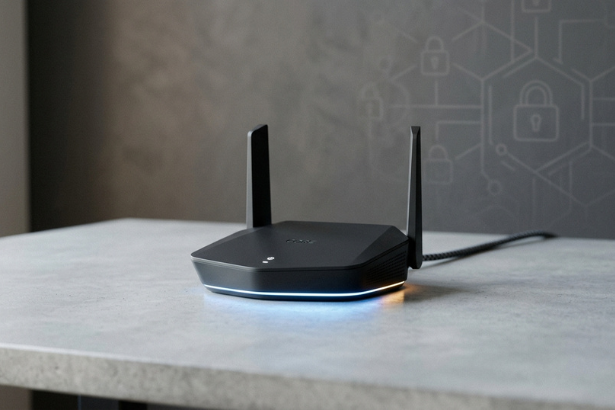
The FCC foreign router ban proposal could reshape the home networking market as U.S. regulators move to restrict foreign-made devices over cybersecurity risks.
Introduction
The FCC foreign router ban is emerging as a significant move in the ongoing effort to secure U.S. digital infrastructure. Regulators are now considering restrictions on routers made by foreign companies, particularly those based in China, citing national security risks and potential vulnerabilities in widely used consumer devices.
Background and Context
Routers sit at the center of modern internet usage. They manage home and small business networks, acting as gateways between personal devices and the broader web. This makes them a critical point of vulnerability.
U.S. officials have increasingly raised concerns about foreign-made telecom equipment. Previous actions targeted companies like Huawei and ZTE, leading to bans on their infrastructure in American networks.
Now, attention is shifting to consumer-grade hardware. Devices that millions of Americans use daily may pose risks if they contain exploitable vulnerabilities or hidden access points.
Latest Update or News Breakdown
According to reporting from The Verge in FCC eyes ban on foreign-made routers over security concerns (https://www.theverge.com/news/899172/fcc-foreign-router-ban), the Federal Communications Commission is exploring whether to restrict or ban certain routers linked to foreign adversaries.
The focus is particularly on Chinese manufacturers, including widely used brands that dominate the affordable router market. Officials are concerned that these devices could be exploited for cyberattacks or surveillance.
The proposal builds on existing policies that prevent federal funds from being used to purchase equipment from companies deemed national security risks. Extending this scrutiny to consumer routers would mark a major escalation.
The report notes that regulators are evaluating whether current supply chains expose U.S. networks to unacceptable levels of risk, especially as cyber threats continue to grow in sophistication.
Expert Insights or Analysis
Cybersecurity experts have long warned that routers are one of the weakest points in home networks. Many users rarely update firmware, leaving devices vulnerable to known exploits.
If compromised at the router level, attackers can monitor traffic, redirect users to malicious sites, or gain access to connected devices.
The concern around foreign manufacturers is tied to both technical and geopolitical factors. Even without intentional backdoors, supply chain risks and software vulnerabilities can create exposure.
At the same time, experts caution that banning specific brands does not eliminate risk entirely. Security depends on regular updates, strong encryption, and user awareness.
Broader Implications
For Consumers
An FCC foreign router ban could limit access to affordable networking equipment. Many popular budget routers come from manufacturers that may fall under scrutiny.
Consumers may face:
- Higher prices for approved devices
- Reduced product variety
- Increased emphasis on security certifications
For the Tech Industry
The move could reshape competition in the networking market. U.S. and allied manufacturers may gain an advantage if restrictions are implemented.
For more analysis on cybersecurity and infrastructure trends, see https://thetechmarketer.com/category/artificial-intelligence/.
For Global Tech Policy
This proposal fits into a broader pattern of tech decoupling between the U.S. and China. Governments are increasingly treating hardware as a strategic asset rather than a neutral product.
Expect further policies targeting:
- Supply chain transparency
- Data security standards
- Cross-border technology restrictions
Related History or Comparable Technologies
The FCC has previously taken action against foreign telecom companies. Huawei and ZTE were effectively excluded from U.S. networks due to national security concerns.
More recently, scrutiny has extended to apps and software platforms, reflecting a wider concern about data access and control.
The potential router ban represents the next phase. Instead of focusing only on large-scale infrastructure, regulators are now looking at everyday consumer devices.
What Happens Next
The FCC is expected to continue evaluating the proposal, including gathering input from industry stakeholders and security experts.
If implemented, the policy could:
- Restrict sales of certain routers in the U.S.
- Require certification for approved devices
- Expand oversight of consumer networking hardware
The timeline remains uncertain, but the direction is clear. Consumer tech is becoming part of national security strategy.
Conclusion
The FCC foreign router ban signals a shift in how governments view everyday technology. Devices once considered low-risk consumer products are now seen as potential entry points for cyber threats.
As the line between consumer convenience and national security continues to blur, policies like this will shape the future of global technology markets.
FAQ
What is the FCC foreign router ban?
The FCC foreign router ban is a proposed policy that could restrict or prohibit the sale of certain routers made by foreign companies due to cybersecurity and national security concerns.
Why is the FCC targeting foreign routers?
Regulators are concerned that some devices could be vulnerable to cyberattacks or used for surveillance, especially if they originate from countries considered strategic competitors.
Which companies could be affected?
While no final list has been confirmed, Chinese manufacturers are a primary focus due to existing national security concerns.
Will this affect consumers?
Yes. Consumers could see fewer options and potentially higher prices for routers if restrictions are implemented.
When will the FCC foreign router ban take effect?
The proposal is still under review. No official timeline has been announced.
Sources & References
- The Verge, FCC eyes ban on foreign-made routers over security concerns
https://www.theverge.com/news/899172/fcc-foreign-router-ban - FCC, Secure and Trusted Communications Networks Act overview
https://www.fcc.gov/ - CISA, Router security and best practices
https://www.cisa.gov/