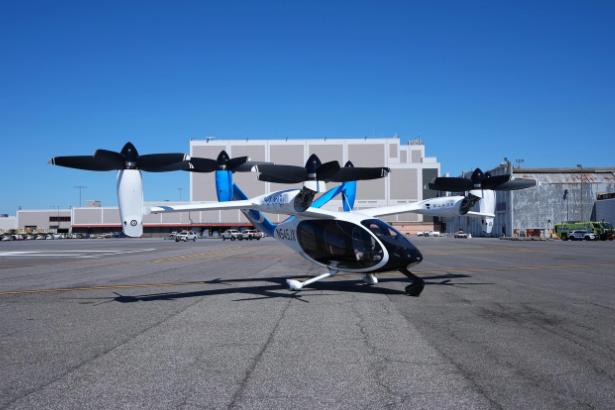
The race to launch electric air taxis is accelerating, but lawsuits and regulatory battles could determine whether the futuristic transportation vision ever reaches mainstream adoption.
Electric Air Taxis are once again attracting attention as leading eVTOL manufacturers move closer to commercial operations. However, a growing wave of lawsuits, community resistance, and regulatory disputes is creating new obstacles for an industry that promises to revolutionize urban transportation.
For years, electric air taxis have been promoted as the future of short-distance travel. Now, as companies prepare for real-world deployment, legal challenges are becoming just as important as technological breakthroughs.
Background and Context
Electric air taxis, commonly known as eVTOL aircraft (electric vertical takeoff and landing vehicles), are designed to transport passengers using electric propulsion systems while taking off and landing vertically like helicopters.
Companies including Joby Aviation, Archer Aviation, Beta Technologies, and others have attracted billions of dollars in investment from airlines, automakers, and venture capital firms.
Supporters believe these aircraft could:
- Reduce urban congestion
- Lower transportation emissions
- Shorten commute times
- Create entirely new transportation networks
Despite significant progress, the industry remains in its early stages of commercialization.
Latest Update: Lawsuits Challenge Industry Expansion
As air taxi companies move toward commercial certification and infrastructure development, legal disputes are becoming more common.
Current concerns include:
- Noise complaints from local communities
- Environmental impact challenges
- Airspace management disputes
- Infrastructure development objections
- Regulatory approval battles
Several lawsuits focus on proposed vertiport locations, where electric air taxis would pick up and drop off passengers.
Critics argue that some projects are moving too quickly without fully addressing environmental and community concerns.
Why Electric Air Taxis Are Trending
Commercial Launches Are Getting Closer
After years of prototypes and demonstrations, major manufacturers are approaching critical FAA certification milestones.
Investors and consumers increasingly view electric air taxis as a near-term reality rather than science fiction.
Local Communities Are Pushing Back
Residents near proposed vertiports have raised concerns regarding:
- Aircraft noise
- Safety risks
- Visual impact
- Traffic increases
- Environmental consequences
These concerns are fueling legal challenges in multiple markets.
Billions of Dollars Are at Stake
The advanced air mobility industry could become a multi-billion-dollar market over the next decade.
As investment increases, legal disputes surrounding infrastructure and operations are becoming more consequential.
Expert Analysis
Transportation analysts note that most disruptive transportation technologies encounter resistance during deployment.
Similar challenges emerged during the rollout of:
- Commercial aviation
- Ride-sharing platforms
- High-speed rail systems
- Electric vehicle infrastructure
Industry experts argue that technological readiness alone does not guarantee adoption.
Public acceptance, regulatory support, and infrastructure development are equally important.
Broader Implications
The Future of Urban Transportation
Electric air taxis represent one of the most ambitious attempts to transform mobility since the emergence of commercial airlines.
If successful, they could reshape transportation networks in major cities worldwide.
Regulatory Evolution
The lawsuits highlight how regulatory frameworks often struggle to keep pace with emerging technologies.
Governments and aviation authorities must balance innovation with public safety and community concerns.
Infrastructure Challenges
Building vertiports and integrating air taxis into existing transportation systems may prove more difficult than developing the aircraft themselves.
Related History
The concept of flying taxis has existed for decades, but advances in battery technology, electric propulsion systems, and autonomous flight software have made commercial deployment increasingly realistic.
Recent years have seen:
- Successful demonstration flights
- Airline partnerships
- Government pilot programs
- Growing investor interest
- Progress toward FAA certification
However, commercialization remains dependent on overcoming legal and operational hurdles.
What Happens Next
Industry observers expect several major developments over the next two years:
- Additional FAA certification decisions
- Expansion of test flight programs
- New vertiport construction proposals
- Continued legal challenges
- Early commercial passenger services
The outcome of ongoing lawsuits may significantly influence how quickly the industry scales.
Conclusion
Electric air taxis may soon transform from futuristic prototypes into everyday transportation options. Yet as the industry moves closer to reality, lawsuits and regulatory disputes are becoming central challenges.
The future of advanced air mobility will depend not only on engineering innovation but also on whether companies can gain public trust, secure regulatory approval, and successfully navigate legal opposition.
FAQ
What are electric air taxis?
Electric air taxis are eVTOL aircraft designed to transport passengers using electric propulsion and vertical takeoff capabilities.
Why are electric air taxis facing lawsuits?
Legal challenges involve concerns about noise, environmental impact, infrastructure development, and regulatory approvals.
Which companies are developing electric air taxis?
Major developers include Joby Aviation, Archer Aviation, Beta Technologies, and several international competitors.
When will electric air taxis become available?
Some companies hope to begin limited commercial operations within the next few years, pending regulatory approval.
Are electric air taxis safe?
Manufacturers and regulators are conducting extensive testing and certification programs before commercial deployment.
Sources & References
- The Verge – Electric Air Taxis Are Getting Grounded by Lawsuits
- FAA Advanced Air Mobility Programs
- Joby Aviation Investor Materials
- Archer Aviation Corporate Updates
- NASA Advanced Air Mobility Research