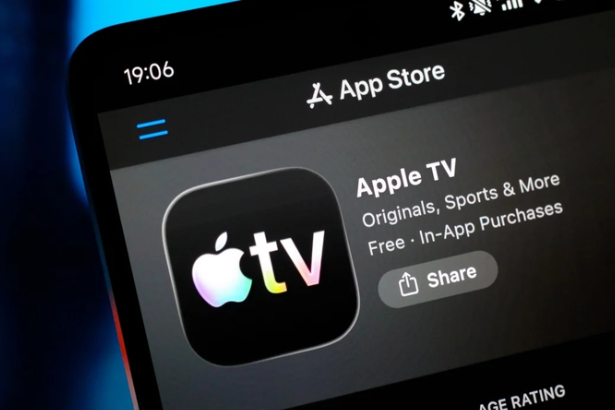
Apple is preparing to bring Apple TV video podcasts to a much larger audience, introducing a dedicated section where viewers can watch podcast episodes directly through its streaming platform without paying an additional subscription fee for the feature.
The development, reported by The Verge on November 16, 2026, marks another significant step in Apple’s effort to expand beyond traditional television and film streaming.
According to the report by Stevie Bonifield, Apple will begin testing the feature through a developer release associated with iOS 27.3. Once the rollout is complete, the video podcast section is expected to become available to users of Apple TV devices and the Apple TV app across supported platforms.
The announcement arrives at an interesting moment for the entertainment industry.
Video podcasts have evolved from a niche format into a major part of the digital content ecosystem. Audiences increasingly want to watch conversations, interviews, commentary, and long-form discussions rather than simply listen to them.
Platforms such as YouTube, Spotify, and Netflix have already invested in this format.
Now Apple is making a bigger move.
The decision to offer video podcasts without an additional subscription paywall could make the format more accessible while giving Apple another way to attract viewers to its entertainment ecosystem.
For creators, the opportunity could be equally significant. A platform with an established device ecosystem, a large customer base, and a familiar entertainment interface could provide another distribution channel for video-first shows.
But Apple’s entry also raises important questions about competition, monetization, creator discovery, and the future relationship between audio and video podcasting.
Background and Context: Why Apple Is Expanding Into Video Podcasts
Podcasting has changed dramatically since its early days.
Initially, podcasts were primarily audio programs distributed through dedicated applications and podcast directories.
Listeners downloaded episodes or streamed them while commuting, exercising, working, or completing everyday activities.
The format worked because it was convenient. People could consume content without needing to watch a screen.
Over time, however, creators began adding video to their productions.
Interview programs, business discussions, comedy shows, sports commentary, and news conversations started appearing in video formats.
YouTube became particularly important because creators could publish full episodes, shorter clips, and highlights from the same recording.
This created a new content model.
A single podcast recording could produce:
- A full-length audio episode.
- A full-length video episode.
- Short social media clips.
- Guest interview highlights.
- Promotional videos.
- Searchable content featuring individual topics.
For creators, video introduced additional opportunities for audience discovery and advertising.
For viewers, it provided a more engaging way to experience conversations.
Apple is now positioning its streaming ecosystem to participate more directly in this market.
The Difference Between Apple TV and Apple Podcasts
One important distinction matters when discussing Apple’s strategy.
Apple operates both Apple TV and Apple Podcasts, but they serve different purposes.
Apple TV is Apple’s entertainment streaming platform and app, offering television shows, movies, and other video content.
Apple Podcasts is the company’s dedicated podcast platform, designed for discovering and consuming podcast programs.
The new development reported by The Verge concerns a dedicated video podcast section on Apple TV.
It is part of a wider strategy that also includes improvements to video podcast support within Apple’s traditional Podcasts ecosystem.
The distinction is important because Apple is expanding podcast consumption across different viewing environments rather than simply adding another video option to its existing audio application.
Latest Update: Apple TV Video Podcasts Will Be Available Without an Additional Subscription
The biggest announcement is straightforward.
Apple is preparing a dedicated video podcast experience for its streaming platform, and the new section will not sit behind an additional subscription paywall.
According to The Verge’s November 16 report, Apple plans to begin testing the feature through a developer release connected to iOS 27.3.
After the testing phase, the feature is expected to reach users across supported Apple TV devices and the Apple TV app.
This creates several important developments.
1. A Dedicated Video Podcast Section
Instead of requiring viewers to search through unrelated entertainment content, Apple is preparing a dedicated area for video podcasts.
A separate section could make podcast discovery easier for people who already use Apple TV for entertainment.
It also provides a clearer place for creators and podcast networks to distribute video programming.
The company has not publicly detailed every aspect of the new discovery interface in the report, so features such as personalized rankings and recommendation controls should not be assumed.
2. Free Access Without an Additional Subscription Paywall
The pricing decision is particularly interesting.
Apple’s new video podcast section will not require viewers to purchase an additional subscription simply to access the feature.
This could lower the barrier for audiences who want to explore video podcasts without signing up for another paid entertainment service.
However, free access to the section does not necessarily mean every individual podcast will be free.
Some shows may have their own premium subscriptions, sponsorship arrangements, or other monetization models.
The distinction between free platform access and individual content pricing will matter as the service develops.
3. A Wider Screen Experience
Video podcasts are often consumed on smartphones and computers.
Bringing them into the Apple TV experience could encourage viewers to watch longer discussions on televisions.
This is a significant shift in the way podcast content can be consumed.
A conversation that previously played in the background on a phone could become part of a living-room entertainment experience.
For shows built around interviews, visual demonstrations, sports commentary, or group conversations, the television screen may offer a more comfortable viewing experience.
4. More Video Podcasts Across Apple’s Ecosystem
The Verge also reports that Apple plans to bring more video podcasts into its regular Podcasts app.
This is important because Apple has already been developing video podcast capabilities across its software platforms.
The company announced new Apple Podcasts capabilities in September 2026, including video support, transcripts, chapters, and links.
According to Apple’s official Apple Podcasts feature announcement, its tvOS Podcasts experience also supports video podcasts and premium subscriptions.
The latest Apple TV development therefore appears to be part of a broader strategy rather than an isolated experiment.
Expert Analysis: 7 Reasons Apple’s Video Podcast Move Matters
Apple’s entry into video podcasts has implications beyond adding another category to a streaming interface.
It could influence how creators distribute content, how viewers discover shows, and how streaming companies compete for attention.
1. Apple Is Entering a Market Already Dominated by Established Platforms
Apple is not entering an empty market.
YouTube has been a major destination for video podcasts for years.
Spotify introduced video podcast support in 2020 and has continued expanding its video capabilities.
Netflix has also invested in the format.
In October 2025, Netflix announced a partnership involving Spotify and The Ringer that would bring 16 podcast series to its platform in the United States during 2026.
The announcement included programs such as The Bill Simmons Podcast, Conspiracy Theories, and several sports-focused shows.
This competition demonstrates that major streaming companies see video podcasts as valuable entertainment content rather than simply an extension of traditional audio.
Apple now has an opportunity to compete for that audience.
2. Television Could Become a More Important Podcast Screen
For years, podcast listening was closely associated with smartphones, headphones, and computers.
Video changes the experience.
A television offers a larger screen and a more social viewing environment.
Families, friends, and groups can watch conversations together, particularly when podcasts cover entertainment, sports, technology, or current events.
This could make video podcasts more appealing to audiences who do not traditionally consume audio programs.
However, success will depend on whether Apple makes discovery and playback convenient.
A dedicated section is a useful starting point, but viewers also need relevant content and an interface that makes finding new shows easy.
3. Creators Could Gain Another Distribution Channel
Independent podcasters and established production companies constantly look for new ways to reach audiences.
Publishing on multiple platforms can reduce dependency on a single distribution service.
Apple’s new feature could provide another destination for creators producing video versions of their shows.
Potential advantages include:
- Additional audience exposure.
- More opportunities for brand partnerships.
- Greater visibility on television screens.
- Additional distribution beyond traditional podcast applications.
- Opportunities to build stronger connections with existing listeners.
However, distribution availability alone does not guarantee monetization.
Creators will need to understand Apple’s submission requirements, rights policies, analytics, advertising arrangements, and revenue-sharing options as these become clear.
4. Streaming Platforms Are Competing for Attention, Not Just Subscriptions
The streaming industry is becoming increasingly competitive.
Companies are no longer competing exclusively through movies, television series, and exclusive entertainment productions.
They are also competing through podcasts, live events, sports, creator programming, and other formats that encourage audiences to spend more time within their platforms.
Video podcasts are attractive because they can produce recurring content.
A weekly podcast can keep viewers returning regularly without requiring a major new television production every week.
This makes podcasts an interesting addition to streaming libraries.
5. Free Access Could Help Apple Expand Viewer Engagement
Removing an additional subscription requirement for the podcast section could encourage more people to experiment with the format.
This is particularly relevant for viewers who already use Apple TV but do not subscribe to multiple premium entertainment services.
If the content is accessible, discoverable, and regularly updated, video podcasts could become another reason to open Apple’s streaming app.
For Apple, the potential benefit extends beyond individual podcast views.
More frequent engagement could strengthen the overall value of its entertainment ecosystem.
That does not establish Apple’s exact commercial strategy, but it highlights the business opportunity.
6. Video Podcast Production Will Become More Important
Audio production and video production have different requirements.
Creators producing video podcasts must think about lighting, cameras, framing, studio design, editing, and visual presentation.
The audience is no longer hearing only the conversation.
It is also seeing the hosts, guests, expressions, demonstrations, and surrounding environment.
This creates opportunities for professional production companies and independent creators with strong visual storytelling skills.
It also raises production costs.
Smaller creators may need to balance the advantages of video with the additional time and resources required to produce it.
7. Content Discovery Could Become the Biggest Competitive Battleground
A large video podcast library is useful only if people can find programs they actually want to watch.
YouTube benefits from an established recommendation and search ecosystem.
Spotify has experience with podcast discovery and personalized listening.
Netflix has developed a recommendation model around entertainment viewing.
Apple will need to make its own discovery experience compelling.
The company has not yet disclosed enough detail to establish exactly how video podcast recommendations will work on Apple TV.
But discovery is likely to become one of the most important factors determining whether the feature succeeds.
Broader Implications: What Apple’s Move Means for the Streaming Industry
Apple’s decision reflects a wider shift in entertainment.
Traditional distinctions between television, streaming, social media, and podcasting are becoming less rigid.
A single creator can now produce content that reaches audiences through multiple channels.
A business interview can become a podcast episode, a YouTube video, a short-form social clip, and a streaming-platform feature.
This changes how content companies think about distribution.
Impact on YouTube
YouTube has a strong position in video podcasting.
Its search capabilities, recommendation system, creator tools, and established video audience provide a substantial competitive advantage.
Apple’s entry introduces another distribution destination, but it does not automatically replace YouTube’s role.
Instead, creators may increasingly distribute content across several platforms.
Impact on Spotify
Spotify has spent several years building its video podcast capabilities.
The company has also expanded video distribution to its television application.
Apple’s new initiative increases competition for creators and audiences who want a unified audio and video experience.
The competition could encourage both companies to improve their podcast interfaces and content discovery systems.
Impact on Netflix
Netflix’s investment in video podcasts shows that the format is attracting attention beyond traditional audio platforms.
Its partnership with Spotify demonstrates how established podcast brands can enter large streaming ecosystems.
Apple’s approach differs in one important respect: its announced video podcast section is not being placed behind an additional subscription paywall.
The two strategies may appeal to different audiences and content business models.
Impact on Independent Creators
Independent creators may benefit from additional distribution opportunities.
However, they will need to consider the costs of producing video content and managing multiple platforms.
The challenge will be maintaining consistent quality while adapting to different audience expectations.
Creators who already produce high-quality video podcasts may be particularly well positioned to explore new distribution channels.
Related History: How Video Podcasting Became a Streaming Priority
The growth of video podcasting did not happen overnight.
Spotify introduced video podcast support in July 2020, initially making the feature available to a limited group of shows.
The development demonstrated that audio-first platforms were beginning to see value in visual content.
YouTube had already established itself as a major destination for recorded conversations, interviews, and creator-led programming.
Over time, video podcasts became increasingly common across entertainment, business, sports, and news.
Netflix later expanded its podcast ambitions through original programming and partnerships.
The company announced its Spotify and Ringer arrangement in October 2025, showing that video podcasts were becoming part of the wider streaming competition.
Apple’s move in November 2026 is another step in that evolution.
Instead of treating podcasts as content that belongs only in audio applications, streaming platforms are increasingly bringing them into the same environments used for traditional entertainment.
What Happens Next: The Future of Apple TV Video Podcasts
The next stage will depend on how Apple implements the feature and how audiences respond.
Several developments will be worth watching.
Developer Testing and Wider Availability
Apple’s reported developer testing through iOS 27.3 will provide an early indication of how the experience works.
Users will want to see how easily they can discover shows, start playback, and move between podcast episodes.
The final rollout schedule and regional availability should be confirmed through Apple’s official announcements.
More Content Partnerships
A dedicated video podcast section needs a steady supply of content.
Apple could benefit from working with established podcast networks, production companies, and independent creators.
The range and quality of available programming will help determine whether the feature becomes a regular part of the Apple TV experience.
Creator Monetization
Creators will want clarity about advertising, premium subscriptions, distribution rights, and audience analytics.
Free access to the section is not the same as a complete creator monetization policy.
Apple’s eventual decisions in this area could influence how many creators choose to distribute their video podcasts through the platform.
Competition With YouTube and Spotify
Apple will need to provide a compelling reason for people to watch video podcasts through its service instead of using existing platforms.
Convenience, discovery, content quality, and integration with Apple devices could all influence adoption.
The Future of Audio and Video Podcasting
The growth of video does not mean audio podcasts will disappear.
Audio remains convenient for commuting, exercising, and multitasking.
Video offers additional engagement when viewers want to see the hosts and guests.
The most successful creators may continue producing both formats, allowing audiences to choose how they consume each episode.
Conclusion: Apple Is Giving Video Podcasts Another Place to Grow
Apple’s decision to bring free-access video podcasts to its streaming platform represents a meaningful development in the evolution of digital entertainment.
The feature expands the role of podcasts beyond traditional audio applications and gives viewers another way to discover conversations, interviews, and creator-led programming on television screens.
It also places Apple more directly in competition with YouTube, Spotify, and Netflix, all of which have recognized the growing importance of video podcasts.
For creators, the move could open another distribution opportunity.
For viewers, it could make podcast entertainment easier to access through an existing streaming environment.
However, the feature’s long-term success will depend on content availability, discovery, playback quality, and the opportunities available to creators.
Apple has made an important move, but the real test begins when viewers start using the service.
If the company can combine a strong podcast library with a simple viewing experience, video podcasts could become a more prominent part of its entertainment ecosystem.
The future of podcasting may not be audio versus video.
It may be the ability to move seamlessly between both.
FREQUENTLY ASKED QUESTIONS
1. What are Apple TV video podcasts?
Apple TV video podcasts are podcast programs that viewers can watch through Apple’s television streaming ecosystem rather than listening only through traditional audio podcast applications.
2. Will Apple TV video podcasts be free?
The dedicated video podcast section reported on November 16, 2026, will not require an additional subscription for access. Individual shows may still have their own premium content or monetization arrangements.
3. When will Apple TV video podcasts launch?
Apple is expected to begin testing the feature through a developer release connected to iOS 27.3. The full rollout is expected afterward, although a final public launch date has not been confirmed in the report.
4. Will video podcasts be available on Apple TV devices?
Yes. According to The Verge, the feature is intended for Apple TV devices and the Apple TV app across supported platforms once the rollout is complete.
5. Is Apple adding video podcasts to Apple Podcasts too?
Yes. The Verge reports that Apple also plans to expand video podcast availability within its regular Podcasts app, building on its existing video capabilities.
6. How is Apple competing with Spotify and YouTube?
Apple is entering a market where Spotify and YouTube already support video podcasts. Its advantage could come from integration with its entertainment ecosystem and the television viewing experience.
7. Can podcast creators publish video podcasts on Apple TV?
Apple’s expansion creates a potential distribution opportunity, but creators should consult Apple’s official podcast publishing requirements for eligibility, submission, and availability details.
8. Why are video podcasts becoming popular?
Video podcasts combine long-form conversations with visual storytelling. They can also generate shorter clips for social media, making it easier for creators to reach new audiences.
9. Will video podcasts replace traditional audio podcasts?
No. Audio remains useful for multitasking and listening on the move, while video offers a more visual experience. Both formats are likely to continue serving different audience preferences.
SOURCES & REFERENCES
1. The Verge
Apple TV is getting video podcasts you can watch for free. Stevie Bonifield, November 16, 2026.
2. Apple Podcasts for Creators
New Apple Podcasts features in iOS 27, tvOS 27, and macOS 27. September 14, 2026.
3. The Verge
Netflix is making a big bet on video podcasts. October 14, 2025.
4. The Verge
Spotify now supports video podcasts. July 21, 2020.
5. New York Times
Apple TV and the expansion of video podcasts. November 16, 2026.