Class action lawsuit raises questions about device lifespan, software support, and planned obsolescence
Introduction
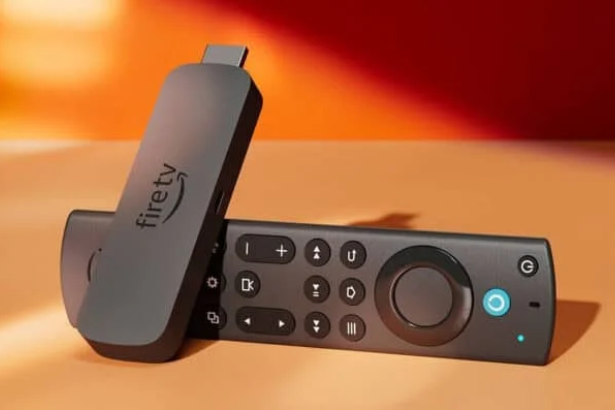
The Amazon Fire TV Stick lawsuit is quickly gaining traction online, with search interest spiking as users claim their streaming devices were effectively rendered useless after software updates stopped or malfunctioned. At the center of the controversy is a familiar tech-world accusation: did Amazon knowingly allow devices to become obsolete through software decisions?
Background and Context
Streaming sticks like the Fire TV Stick became ubiquitous over the last decade, offering a low-cost gateway into platforms like Prime Video, Netflix, and YouTube. Amazon aggressively pushed the hardware as part of its broader ecosystem strategy, often selling devices at razor-thin margins.
But that model comes with a catch. These devices rely heavily on ongoing software support. Once updates stop, performance degrades, apps break, and in some cases, devices stop functioning entirely.
That’s where the lawsuit enters.
Latest Update or News Breakdown
Recent reports from multiple outlets outline the core allegation: users claim certain Fire TV Stick models were “bricked” after software support ended or updates were forced, leaving them unusable.
According to coverage from Top Class Actions, GeekSpin, and International Business Times, the lawsuit alleges:
- Devices stopped functioning properly after updates
- Users were pushed toward upgrading hardware
- Amazon failed to clearly disclose support timelines
- Some updates allegedly degraded performance intentionally or negligently
The complaint frames this as a consumer protection issue, arguing customers purchased functional devices that later became unusable through no fault of their own.
Expert Insights or Analysis
This lawsuit taps into a broader industry tension around software-controlled hardware lifecycles.
Tech analysts point out that modern devices are no longer static products. They are living systems dependent on continuous updates, cloud services, and app compatibility layers.
That creates a gray area:
- Is a device “broken” if hardware works but software no longer supports it?
- Who is responsible when updates degrade performance?
- Should companies guarantee a minimum lifespan?
Legal experts suggest this case could hinge on disclosure and expectation. If Amazon clearly communicated support timelines, the case weakens. If not, it strengthens significantly.
Broader Implications
For Consumers
This lawsuit reinforces a growing reality: when you buy tech today, you’re buying into a temporary experience, not a permanent product.
Consumers may start asking:
- How long will this device be supported?
- What happens after updates stop?
For Big Tech
If the Amazon Fire TV Stick lawsuit gains momentum, it could push companies toward:
- Clearer lifecycle disclosures
- Longer software support commitments
- Potential regulatory oversight
Related History or Comparable Technologies
This isn’t the first time tech companies have faced scrutiny over device longevity.
- Smartphone makers have faced lawsuits over battery throttling
- Smart TV platforms often lose app support within a few years
- IoT devices frequently become unusable when cloud services shut down
The Fire TV Stick case fits into a broader narrative of planned obsolescence in the software era.
What Happens Next
The lawsuit is still in early stages, but several outcomes are possible:
- Settlement with compensation or device replacements
- Policy changes around software support disclosures
- No significant change if Amazon successfully defends its practices
If the case proceeds, it could set a precedent affecting not just streaming devices, but the entire connected hardware market.
Conclusion
The Amazon Fire TV Stick lawsuit is about more than one device. It’s a test case for how far tech companies can go in controlling the lifespan of products through software.
As hardware becomes increasingly dependent on updates, the definition of ownership is shifting. You may own the device, but the company still controls how long it works.
That tension isn’t going away anytime soon.
FAQ
What is the Amazon Fire TV Stick lawsuit about? The Amazon Fire TV Stick lawsuit claims certain devices were bricked or became unusable after software updates or loss of support.
Did Amazon intentionally brick Fire TV Sticks? The lawsuit alleges this possibility, but it has not been proven in court.
Which Fire TV Stick models are affected? Specific models have not been universally confirmed, but older-generation devices appear central to complaints.
Can I still use an older Fire TV Stick? Some older devices may still work, but performance and app compatibility can degrade over time.
Will users get compensation? If the lawsuit succeeds or settles, affected users could receive refunds, replacements, or other compensation.
How long should streaming devices last? There is no universal standard, but many consumers expect at least 3 to 5 years of reliable use.
Sources and References
Top Class Actions: Amazon Fire TV Stick Class Action