What You Need to Know
- The strike deadline for 250 security watchmen at the ports of Los Angeles and Long Beach has been extended three times, now standing at November 20.
- A walkout could disrupt terminals handling 85% of Long Beach cargo and 33% of Los Angeles cargo.
- October rail dwell times reached nearly 10 days in Los Angeles and about 8 days in Long Beach, with some containers waiting as long as 30 days.
- Record Asian import volumes and BNSF flood disruptions are driving the rail backlog.
- US retailers now project monthly import arrivals above 2 million TEUs through December, with full-year volume reaching 26 million TEUs.
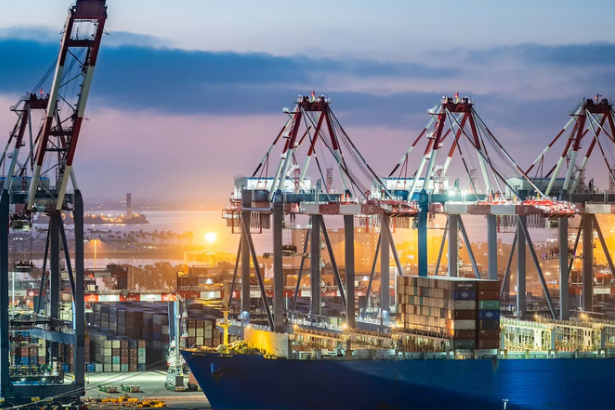
LA Long Beach Port Strike Rail congestion Deadline is colliding with a separate, worsening rail congestion crisis in Southern California, creating a two-front risk for US supply chains heading into the holiday shipping season. A threatened strike at the ports of Los Angeles and Long Beach has been postponed until 20 November, giving maritime employers and union representatives another two weeks to reach an agreement. Meanwhile, the region’s rail network is already straining under record import volumes. metro
A Strike Deadline That Keeps Moving
The contract between Local 26 and the Pacific Maritime Association expired in July 2025. In late October, the union voted to authorize a strike, initially set for November 1. That deadline has since moved three times. The potential strike deadline moved from November 1 to November 4, 2026, while negotiations with the PMA continued, before being pushed again. PMA and ILWU Local 26 again extended the strike deadline, this time through midnight Pacific Time on Friday night, November 6, 2026, with a new labor agreement not yet reached. supplychainbraindimerco
The most recent extension pushed the deadline out considerably further. The union representing 250 watchmen at ports in Los Angeles and Long Beach agreed to extend its deadline for a strike to November 20, marking the third recent extension from the International Longshore and Warehouse Union Local 26. supplychainbrain
Why 250 Workers Could Disrupt Half the Port Complex
The dispute involves a relatively small bargaining unit with outsized leverage. The terminals involved include up to eight, among them APM Terminals, Long Beach Container Terminal, Total Terminals International, and SSA Terminals. According to PMA, a strike could impact terminals handling approximately 85% of cargo at the Port of Long Beach and 33% at the Port of Los Angeles. albawheelsupstgusa
The risk extends beyond the watchmen themselves. Other longshore workers and clerks unions at these ports have said they would honor Local 26’s picket lines if a strike occurs, and combined, the two ports handle around a third of the country’s containerized cargo. A strike could disrupt terminals handling more than half the combined cargo at the ports of Los Angeles and Long Beach, employers have said, and negotiations have continued with the help of federal mediators, with the Pacific Maritime Association saying it remains committed to avoiding disruption. supplychainbrainttnews
It’s worth noting this dispute is separate from the ports’ main labor contract. The longshore workers’ contract, covering more than 22,000 workers at 29 West Coast ports, runs six years, from July 2022 through July 2028, and is unaffected by the current watchmen dispute. Yahoo Finance
Rail Gridlock Compounds the Risk
Even without a strike, Southern California’s supply chain is already under significant strain from a separate rail bottleneck. Record Asian imports and BNSF flood disruptions have worsened Southern California rail delays, with October rail dwell times nearing 10 days in Los Angeles and reaching about 8 days in Long Beach. Some terminal containers have waited as long as 30 days. intelligentaudit
The volume driving this congestion shows no sign of easing. US retailers have raised their Q4 import forecast, projecting monthly arrivals above 2 million TEUs through December and full-year volume of 26 million TEUs, up 2%. Separately, Yang Ming has warned of renewed congestion ahead of the February 6 Lunar New Year. intelligentaudit
A Broader Pattern of Cost and Capacity Pressure
The congestion in Southern California isn’t happening in isolation. Rising freight costs are already reshaping how companies move goods nationally. Higher transportation costs are reshaping corporate supply chains, with manufacturers reporting freight and energy pressure, railroads pursuing conversions from trucking, and at least one major carrier reducing outsourced miles to limit exposure to rising purchased transportation rates. National rail volumes have also been climbing broadly, not just in the congested Southern California corridor, with rail traffic increasing 6.6% year over year in the week ended November 7. intelligentaudit
Warehouse capacity near the ports is also tightening as companies try to buffer against exactly this kind of disruption. US warehousing demand exceeded new supply for a second consecutive quarter, with Q3 net absorption increasing 41% year over year to 83 million square feet and national vacancy edging down to 7.2% as manufacturers, logistics providers, and data center suppliers expanded. intelligentaudit
What This Means for Shippers and Retailers
For now, there is no active disruption to plan around. There is no strike at the Ports of Los Angeles and Long Beach, and terminals are operating normally. But the overlapping timing is what makes this moment risky: a potential labor action landing right as the region’s existing rail infrastructure is already clogged with record import volumes heading into peak holiday shipping season. Wikipedia
For now, the extension means there is no strike underway, and shippers should avoid assuming that widespread port disruption is inevitable. The threat comes at a particularly sensitive time for Southern California’s supply chain. Companies moving goods through the LA-Long Beach corridor should treat both the November 20 deadline and the existing rail backlog as live operational risks, rather than assuming either resolves cleanly before the holiday shipping window closes. metro
Broader Implications
This standoff is a reminder of how concentrated risk remains at America’s largest port complex, where even a small bargaining unit can threaten operations handling a third of the nation’s containerized cargo. For more logistics and supply chain coverage, visit The Tech Marketer.
What Happens Next
The Pacific Maritime Association and ILWU Local 26 are expected to continue negotiating with federal mediators ahead of the November 20 deadline. Meanwhile, Southern California’s rail congestion is expected to persist as import volumes remain elevated through the holiday season. This article will be updated as the strike deadline approaches or rail conditions change.
Latest Updates
FreightWaves’ report via Yahoo Finance, published November 9, confirmed the deadline’s move to November 20 and the separate longshore contract timeline. SupplyChainBrain’s report, also published November 9, detailed the full extension history from November 1 through November 20. Intelligent Audit’s shipper briefing, published November 16, provided the most recent rail dwell time figures and Q4 import forecasts.
Frequently Asked Questions
1. Is there currently a strike at the ports of Los Angeles and Long Beach?
No. As of the latest update, there is no strike underway, and terminals are operating normally while negotiations continue ahead of the November 20 deadline.
2. Why could 250 workers disrupt such a large share of port operations?
The watchmen handle gate security and cargo watch at terminals responsible for 85% of Long Beach cargo and 33% of Los Angeles cargo, and other port unions have said they would honor picket lines if a strike occurs.
3. What is causing the Southern California rail delays?
Record Asian import volumes combined with BNSF flood disruptions have driven October rail dwell times to nearly 10 days in Los Angeles and about 8 days in Long Beach.
4. Is this strike dispute connected to the main longshore workers’ contract?
No. The watchmen’s dispute is separate from the primary longshore workers’ contract, which covers more than 22,000 workers at 29 West Coast ports and runs through July 2028.
5. How much import volume are retailers expecting this holiday season?
US retailers have projected monthly import arrivals above 2 million TEUs through December, with full-year volume reaching 26 million TEUs, up 2% year over year.
Sources and References
- “Strike at Los Angeles-Long Beach port delayed as union contract talks continue,” FreightWaves via Yahoo Finance, November 9, 2026 — https://finance.yahoo.com/economy/policy/articles/strike-los-angeles-long-beach-130700725.html
- “Long Beach, LA Port Watchmen Push Strike Deadline to November 20,” SupplyChainBrain, November 9, 2026 — https://www.supplychainbrain.com/general-scm/hr-labor-management/article/16424929/long-beach-la-port-watchmen-push-strike-deadline-to-november-20
- “IA Insights: The Shippers News Brief,” Intelligent Audit, November 16, 2026 — https://www.intelligentaudit.com/blog/ia-insights-november-16-2026