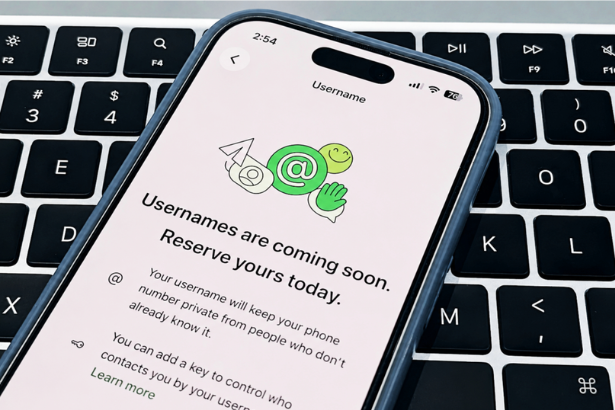
WhatsApp username risks are emerging as a significant concern after the platform introduced a feature allowing users to connect without sharing their phone numbers. The move has sparked fears about impersonation, with TechCrunch reporting that usernames resembling well-known figures and institutions remain available for reservation. This development raises the specter of scams and fraudulent activity, compelling the Indian Ministry of Electronics and Information Technology to issue a notice urging WhatsApp to reconsider the rollout until further evaluations are made.
Legal experts have highlighted that the ability for users to shield their phone numbers could ‘materially increase the incidence of online fraud, phishing, digital arrest scams and impersonation attacks’ by allowing malicious actors to initiate contact more easily. Digital Trends points out that WhatsApp is attempting to mitigate these risks by making usernames optional and introducing a unique ‘username key’ that users can enable for additional security. Yet, the broader implications for digital identity and security remain a point of contention.
WhatsApp Username Risks: What You Need to Know
WhatsApp username risks have become a hot topic, especially with reports indicating that usernames resembling prominent entities in India, such as ‘indiamodi’ and ‘rbi_verify,’ can still be claimed. This revelation is particularly alarming given the potential for these usernames to be used for impersonation. The Indian Ministry has expressed that such features could lead to an increase in cybercriminal activities that target unsuspecting users through phishing or scams.
One of the critical aspects of these WhatsApp username risks is the challenge of managing online verification. As users embrace anonymity by hiding phone numbers, the verification process becomes more complex. This scenario could help impersonation, inadvertently empowering those with malicious intent to connect with and deceive other users under the guise of legitimacy.
WhatsApp has defended the feature by emphasizing the optional nature of usernames and the extra security layer provided by the ‘username key.’ However, these assurances come amid rising skepticism. The distinction between private communication and public availability becomes blurred when usernames can be shared without phone numbers, adding a wrinkle to online identity management and raising questions about how far digital privacy should extend.
Response from WhatsApp and Meta
In response to the backlash regarding WhatsApp username risks, Meta, WhatsApp’s parent company, has taken steps to calm the waters. According to The Economic Times, Meta issued a detailed FAQ to address the burgeoning concerns. This document reiterates the optional nature of usernames, while also outlining the introduction of a username key, a unique number string that aims to bolster security for users wary of impersonation threats.
Furthermore, Meta has pledged to reserve well-known names for legitimate owners, ensuring that reserved usernames cannot be exploited by bad actors. This proactive measure is part of a broader strategy to monitor and mitigate misuse. By closely observing how the feature is adopted and its subsequent impact on user interactions, Meta hopes to flesh out any kinks in the system before they can be exploited extensively.
This initiative demonstrates a commitment to preventing impersonation, yet critics argue it might not be enough. The effectiveness of these security measures in real-world scenarios remains to be seen, especially as the feature rolls out to a larger user base. Users and cyber experts alike will be watching closely to see how Meta navigates this balancing act between user privacy and security.
Implications for User Security
User security remains a pressing concern as WhatsApp experiments with these new features. By allowing users to operate without phone numbers as identifiers, WhatsApp shifts the dynamic of digital interaction, making usernames a critical point of vulnerability. The potential for misuse is high, driving discussions around the effectiveness of existing cybersecurity frameworks.
Online interactions often hinge on trust, which can be easily compromised if users become victims of scams or impersonation. The challenge for WhatsApp is to foster an environment where users feel secure, even as they embrace greater anonymity. The introduction of security layers like the username key is a step in the right direction, but it may not fully address the nuanced challenges of digital impersonation.
While usernames offer convenience, they also pose a significant risk if not managed correctly. The task for platforms like WhatsApp is to iteratively assess and adapt their security protocols to ensure users can trust the system. Only time will tell whether these efforts will be sufficient to protect users from the pitfalls of digital anonymity.
Government and Regulatory Concerns
The Indian government’s involvement underscores the seriousness of the concerns surrounding WhatsApp username risks. The Ministry of Electronics and Information Technology’s intervention reveals a proactive stance in safeguarding against potential digital threats. Their demand for WhatsApp to delay the rollout highlights the regulatory challenges tech companies face when innovations potentially compromise user security.
With governments worldwide paying closer attention to digital platforms and their features, regulatory landscapes are evolving. Companies must now consider not only user experience but also regulatory compliance and cooperation with governmental bodies. This situation presents a dual challenge: fostering innovation while adhering to safety and privacy standards.
These developments stress the need for a cautious approach to technology deployment, especially when new features can impact millions. As governments continue to scrutinize tech companies, the emphasis on security and compliance will likely intensify, shaping the future of digital communication platforms.
Potential Legal Repercussions
The emergence of WhatsApp username risks also brings potential legal repercussions into focus. As impersonation and fraud risks rise, affected users may seek legal recourse, leading to a surge in cybersecurity litigation. Platforms like WhatsApp could face lawsuits if their security measures are deemed insufficient to protect users from preventable harm.
Moreover, the legal landscape surrounding digital privacy is complex and rapidly evolving. Companies must navigate this environment carefully, ensuring they are not only compliant with existing laws but also prepared for future regulatory changes. Legal experts recommend that firms like WhatsApp employ strong legal strategies to mitigate risks and protect their interests.
As tech companies continue to innovate, they must remain vigilant about the legal frameworks governing their activities. The intersection of technology, user privacy, and legal responsibility is a delicate balance that requires thoughtful consideration and proactive measures.
Broader Implications
The introduction of features that allow greater anonymity highlights a broader trend in digital communication: the tension between privacy and security. This scenario is not unique to WhatsApp; it mirrors challenges faced by other tech platforms striving to offer convenient user experiences without compromising on safety. As noted in The Tech Marketer, the digital communication sphere is increasingly pressured to balance these competing priorities.
Other tech giants are similarly grappling with these issues, indicating a wider industry impact. Innovations such as encrypted messaging and digital identifiers are revolutionizing user interactions, yet they bring new security challenges that must be addressed. The ripple effects extend beyond individual platforms, influencing industry norms and user expectations globally.
As consumers become more aware of privacy concerns, tech companies are motivated to enhance security measures and transparency. This shift could redefine how digital platforms operate, emphasizing the need for strong security protocols and clear communication about risks and protections.
Latest Updates
Recent reports from TechCrunch highlight the ongoing availability of potentially sensitive usernames, raising alarms about the ease with which impersonation can occur. This availability, despite early warnings, shows the gaps in current preventative measures.
Meanwhile, Digital Trends covers WhatsApp’s defensive stance, emphasizing the optional nature of usernames and the introduction of additional security layers. WhatsApp’s strategies aim to alleviate fears, yet they face skepticism over their practical efficacy in combating potential scams.
According to The Economic Times, Meta’s FAQ release attempts to clarify and reassure users about the risks and their mitigation. Despite these efforts, user skepticism and regulatory scrutiny remain significant hurdles for the company as it navigates this complex rollout.
FAQ
What are WhatsApp username risks?
WhatsApp username risks involve the potential for impersonation and fraud due to the ability to connect without sharing phone numbers. This feature could allow individuals to pretend to be someone else, leading to increased incidents of scams and phishing attacks.
How is WhatsApp addressing username risks?
WhatsApp is addressing these risks by making usernames optional and introducing a ‘username key’ for extra security. Additionally, Meta is reserving well-known names for legitimate owners and actively monitoring for misuse to prevent impersonation.
Are usernames mandatory on WhatsApp?
No, usernames on WhatsApp are not mandatory. Users can choose whether to use them, and they can enable a ‘username key’ to add an extra layer of security if they opt to use a username.
Why has the Indian government issued a notice about WhatsApp usernames?
The Indian government issued a notice due to concerns that the username feature could increase incidents of online fraud and impersonation. It has urged WhatsApp to delay the rollout until further consultations are completed to ensure user safety.
Can popular usernames still be claimed by anyone?
Initially, popular usernames could be claimed by anyone, raising concerns about impersonation. However, WhatsApp and Meta are now reserving well-known names to ensure they are only available to legitimate owners, thus preventing misuse.
Sources and References
TechCrunch: WhatsApp usernames are already raising impersonation red flags
Digital Trends: WhatsApp clears that usernames won’t leave you open to scammers