Introduction
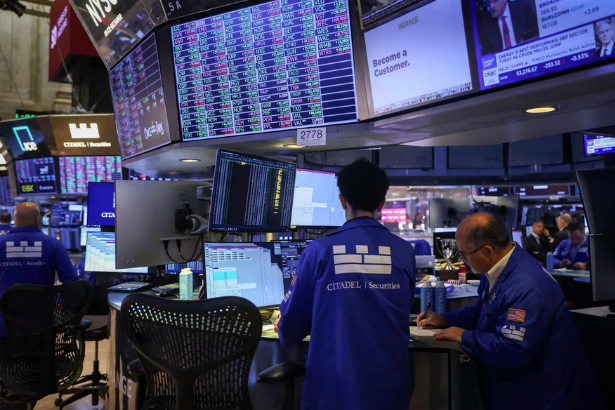
The latest stock market news today points to a market caught between strong year-to-date gains and a rapidly changing macroeconomic backdrop. On Tuesday, September 1, the Dow fell 0.8%, the S&P 500 declined 0.7% and the Nasdaq dropped 1%, according to AP.
The immediate catalyst was another escalation in the U.S.-Iran conflict, which pushed oil higher and intensified concerns that an energy shock could reignite inflation. At the same time, a global bond selloff sent Treasury yields higher, increasing pressure on growth-oriented stocks and raising fresh questions about the Federal Reserve’s interest-rate path.
Background and Context
September began with investors carrying substantial gains from the first eight months of the year.
The S&P 500 entered the month with a double-digit year-to-date gain, while the Nasdaq and Dow were also comfortably higher for the year. But September has historically been one of the weakest months for U.S. stocks, giving investors another reason to reassess risk after the strong summer rally.
The bigger issue is the interaction between oil, inflation and interest rates.
When crude prices rise sharply, businesses and consumers can face higher transportation and energy costs. If those increases become embedded in broader prices, the Federal Reserve has less room to ease monetary policy.
That is particularly important now because markets are already reassessing the possibility of another Fed rate increase.
Latest Stock Market News Today: Oil, Bonds and the Fed Take Center Stage
Tuesday’s selloff was broad.
The S&P 500 fell 0.7% to 7,631.47, the Dow dropped 419 points, or 0.8%, to 52,766.88, and the Nasdaq Composite declined 1% to 26,099.77. The Russell 2000 lost 1.2%.
The Nasdaq’s larger decline reflected the sensitivity of technology and other growth stocks to rising bond yields.
The 10-year Treasury yield reached roughly 4.79% on Tuesday, while the 30-year yield moved above 5.2%. Higher long-term yields can make future corporate earnings less valuable in today’s dollars, which can weigh particularly heavily on richly valued technology companies.
Oil was the other major pressure point.
Brent crude moved above $95 per barrel after renewed military activity involving the U.S. and Iran, while U.S. crude climbed above $90. Reuters reported that Brent reached a five-week high as investors worried about additional disruption around the Strait of Hormuz.
That matters far beyond energy stocks. The Strait is a critical route for global oil shipments, so prolonged disruption could transmit higher energy costs across transportation, manufacturing and consumer prices.
The bond market is sending another warning.
Reuters reported Wednesday that the U.S. 10-year yield reached 4.8122%, its highest level in almost three years. The market was also pricing in substantially greater odds of a Fed rate hike at the central bank’s September meeting.
Yahoo Finance’s live market coverage similarly highlighted the combination of rising oil, higher yields and renewed uncertainty over Fed policy as the key drivers behind Tuesday’s decline. Yahoo Finance market coverage
Expert Insights or Analysis
The market’s problem is not simply that stocks are falling.
It is that multiple financial variables are moving against equities at the same time.
Higher oil threatens inflation. Higher inflation can keep interest rates elevated. Higher bond yields increase the opportunity cost of owning stocks. And geopolitical uncertainty makes investors less willing to pay aggressive valuations for future growth.
That combination creates a particularly difficult environment for technology stocks.
Reuters reported that the S&P 500 fell 0.7% and the Nasdaq dropped 1% Tuesday as the bond selloff deepened and crude prices surged.
There is also an important economic-data component.
U.S. manufacturing remained in expansion territory in August, although the pace slowed. JOLTS data showed job openings ticking up slightly in July. Investors are now looking toward additional employment data, including the monthly jobs report, for clues about whether the economy remains strong enough to absorb tighter financial conditions.
In other words, the market is looking for an answer to a difficult question:
Can the U.S. economy keep growing if energy prices and borrowing costs remain elevated?
Broader Implications
The consequences extend beyond a single trading session.
If oil remains near or above $95 per barrel, inflation expectations could become more important to investors than they were during the summer rally. That could force markets to rethink assumptions about the timing and direction of Federal Reserve policy.
Higher Treasury yields also affect mortgages, corporate borrowing, consumer credit and government financing costs.
For technology companies, the implications can be even more pronounced because many technology valuations depend heavily on expected earnings several years into the future.
That makes the relationship between Treasury yields and growth stocks one of the most important themes to watch.
For more coverage of technology, markets and the companies shaping the digital economy, readers can also explore The Tech Marketer’s markets and technology coverage.
Related History or Comparable Technologies
The current setup resembles previous periods when geopolitical shocks collided with inflation concerns.
Energy shocks have historically created a difficult environment for central banks because policymakers must balance two competing risks: supporting economic growth while preventing temporary energy inflation from becoming persistent.
The 1970s remain the most dramatic historical example, although today’s economy is structurally different.
More recently, energy-price spikes following Russia’s invasion of Ukraine demonstrated how quickly crude prices can influence inflation expectations, bond yields and equity valuations.
The important distinction today is that markets are entering this episode after a strong run.
Investors are therefore not reacting to a market that has already suffered a prolonged collapse. They are reassessing the price they are willing to pay for assets that had become increasingly expensive.
What Happens Next
Three developments are likely to dominate the next phase of trading.
1. Oil prices
The first question is whether Brent crude remains near the $95 level or moves materially higher.
A sustained move upward would increase pressure on inflation expectations and potentially on central-bank policy.
2. Treasury yields
The 10-year Treasury is becoming an increasingly important market signal.
Reuters reported that the yield reached 4.8122% on Wednesday, while the global bond selloff continued.
If yields stabilize, equities could regain some breathing room. If they continue climbing, expensive growth stocks could remain vulnerable.
3. U.S. economic data
Investors will be watching employment and inflation-related data closely.
A strong labor market could make additional monetary tightening easier for the Fed to justify. Conversely, evidence of a weakening economy could complicate the picture if inflation remains elevated because of energy prices.
That combination would create the classic stagflation concern: slower growth alongside persistent inflation.
Conclusion
The latest stock market news today is less about one bad trading session and more about a collision of forces that investors cannot easily ignore.
Wall Street started September with the Dow, S&P 500 and Nasdaq all lower. Oil prices jumped as the U.S.-Iran conflict intensified, Treasury yields climbed and expectations for Federal Reserve policy shifted.
For now, the U.S. economy still has meaningful support from solid corporate earnings expectations and positive year-to-date market performance.
But the margin for error is narrowing.
If oil stabilizes and bond yields settle, the September selloff could prove temporary. If energy prices keep rising while Treasury yields push higher, investors may have to contend with a much more consequential repricing of risk.
For markets, the next move may depend less on earnings than on what happens to oil, bonds and inflation.
FAQ
What is the latest stock market news today?
The Dow, S&P 500 and Nasdaq started September lower as rising oil prices, higher Treasury yields and renewed U.S.-Iran tensions pressured investor sentiment.
Why is the stock market falling?
The main factors are higher oil prices, a global bond selloff, rising Treasury yields and concerns that renewed geopolitical tensions could push inflation higher.
Why are oil prices important for stocks?
Higher oil prices can increase costs across the economy and potentially keep inflation elevated. That can influence interest-rate expectations and reduce support for stock valuations.
Why do higher Treasury yields hurt technology stocks?
Higher yields can reduce the present value of future corporate earnings. Growth-oriented technology companies can therefore become more sensitive to rising long-term interest rates.
Is September usually a difficult month for stocks?
September has historically been one of the weaker months for U.S. equities. That seasonal pattern does not determine market direction, but it can amplify investor caution when other risks are already elevated.
What should investors watch next?
Oil prices, Treasury yields, Federal Reserve expectations and upcoming U.S. employment and inflation data are among the most important indicators.
Sources & References
- Yahoo Finance, “Stock market today: Dow, S&P 500, Nasdaq drop as oil tops $95, bond yields rise”
Read the Yahoo Finance report - Associated Press, “Stocks slip on Wall Street under pressure from higher oil prices and rising bond yields”
Read the AP report - Reuters, “Stocks fall, bond rout deepens as US and Iran trade attacks”
Read the Reuters global markets report