Introduction
Joby Aviation is putting autonomous flight technology through one of its most visible real-world tests yet. The company says its autonomous aircraft has completed a 3,199-mile journey across the United States without manual control from the onboard safety pilot, operating under remote supervision.
The milestone arrives as Joby simultaneously works on electric air taxi certification, U.S. pilot programs and potential commercial operations. Its autonomous J208 aircraft is based on a Cessna Caravan fitted with Joby’s autonomy technology, rather than the company’s passenger-carrying electric air taxi.
Background and Context
Joby’s broader strategy goes beyond building an electric aircraft for urban passengers.
The company is developing autonomy systems that can be applied to aircraft used for freight, emergency response and defense logistics. On September 10, Joby announced a month-long coast-to-coast demonstration involving its J208 autonomous aircraft and stops across 10 states.
Joby said the autonomy platform had already accumulated more than 400 flights and 800 automated flight hours, alongside participation in three U.S. military exercises.
That distinction matters. Autonomous aviation has historically been demonstrated in controlled environments, military exercises or specialized test programs. Joby’s current campaign is designed to demonstrate how the technology behaves during longer-distance operations across the national airspace system.
Latest Update: Joby Aviation’s Autonomous Flight
According to the Wall Street Journal, Joby’s aircraft completed the cross-country journey over 3,199 miles, performing autonomous taxiing, takeoff, cruise and landing operations without manual control from the safety pilot. The aircraft remained under remote supervision.
Joby’s own tour information says the J208 completed its westbound journey on September 16 at North Carolina’s Outer Banks, close to the location associated with the Wright brothers’ first powered flight.
The achievement is part of a wider demonstration program rather than the launch of autonomous passenger service.
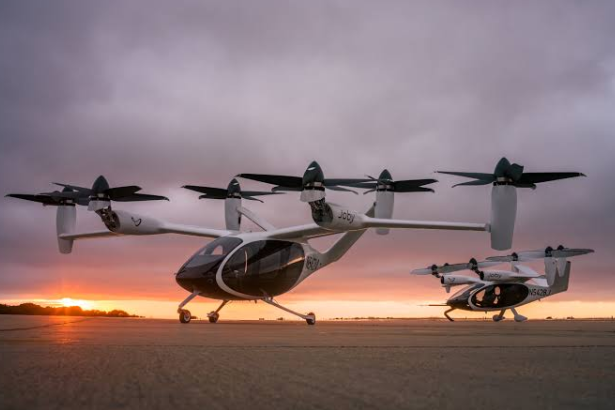
That distinction is important because the aircraft used for this test is a converted Cessna Caravan. Joby’s commercial passenger aircraft is a separate all-electric vertical takeoff and landing design intended to carry a pilot and four passengers.
Joby has also been running its electric air taxi through the federally backed eVTOL and Advanced Air Mobility Integration Pilot Program. In Texas, the company began demonstration flights around Dallas-Fort Worth earlier this month.
Expert Insights and Analysis
The most interesting part of the demonstration is not simply that an aircraft crossed the country. It is the combination of autonomy, distance and operational integration.
A self-flying aircraft must handle far more than maintaining altitude. It needs to manage phases of flight, navigation, communication, changing conditions and interactions with the wider airspace environment.
Joby’s approach is also notable because it uses an existing aircraft platform as a test bed for autonomy. The company’s September announcement described the J208 as a converted Cessna Caravan and positioned the aircraft as a platform for freight, medical transportation, disaster response and defense logistics.
The company has previously demonstrated its autonomy technology in military exercises. In 2025, Joby reported more than 7,000 miles of autonomous operations and more than 40 flight hours during a U.S. defense exercise in the Pacific region.
The current U.S. journey therefore represents an extension of an existing testing program rather than a standalone experiment.
What the Flight Means for Joby’s Air Taxi Ambitions
Joby’s headline business remains electric air mobility.
The company is progressing through the fifth and final stage of its FAA type certification program and has been conducting tests with an FAA-conforming aircraft. Its second-quarter update said the company was targeting initial passengers in 2026 through the U.S. pilot program.
The autonomous J208 program operates alongside that effort.
That creates two related technology tracks:
- Electric passenger aircraft: designed for commercial air taxi operations.
- Autonomous aircraft systems: designed for applications including logistics, emergency response and defense.
The second track could potentially give Joby additional applications for its autonomy technology even while passenger air taxi certification continues.
Broader Implications
Autonomous Aviation Is Moving Beyond Demonstrations
Joby’s flight adds to a broader push toward autonomous aviation in the United States. Other aerospace companies are also developing aircraft capable of operating with reduced or eliminated onboard pilot intervention, particularly in cargo and defense applications.
For Joby, the potential applications extend beyond passenger transport. The company has specifically highlighted freight, emergency services and defense logistics as potential uses for its autonomous systems.
Air Taxis Still Have a Different Regulatory Challenge
The autonomous flight should not be interpreted as evidence that autonomous passenger air taxis are ready for widespread deployment.
Passenger aviation introduces additional requirements around certification, redundancy, operational procedures, public acceptance and regulatory approval.
Joby’s passenger aircraft is still moving through the FAA certification process. At the same time, its Texas eIPP flights are being used to gather operational data and explore how electric aircraft could eventually operate alongside existing aviation infrastructure.
For readers following the intersection of AI and transportation, this is where the story becomes especially relevant. See our internal coverage suggestion: AI and the Future of Transportation.
Joby Aviation Stock and Investor Attention
The autonomous flight is also arriving during a difficult period for JOBY shares.
Simply Wall St reported on September 18 that Joby shares had fallen sharply during 2026 while the autonomous J208 tour was generating renewed attention around the company’s technology and future applications.
The market reaction is therefore not simply about one successful demonstration. Investors are also weighing certification, manufacturing scale, commercial deployment and the company’s ability to translate technological milestones into revenue.
The current market data shows JOBY trading around $6.19 as of September 18, 2026, with the company still reporting negative earnings. The stock chart above provides the latest market context.
Related History and Comparable Technologies
Autonomous aviation is not new.
Military aircraft and drones have used increasingly sophisticated autonomous and remotely supervised systems for years. The technology has also moved into civilian cargo and experimental aviation.
What distinguishes Joby’s current demonstration is its attempt to show autonomous operation across a large geographic area using an aircraft platform derived from an existing certified design.
The company is also pursuing defense applications. In August, Joby announced an agreement to acquire Resonant Sciences for approximately $500 million, creating a dedicated defense business incorporating autonomy, aircraft and sensing technologies.
That gives the autonomy program a potential role outside the company’s passenger air taxi operation.
What Happens Next
The next stage is less about proving that an autonomous aircraft can cross the country and more about proving that the technology can operate reliably at scale.
Joby’s immediate priorities include:
- Continuing its U.S. autonomy demonstrations.
- Advancing FAA certification of its electric passenger aircraft.
- Expanding real-world eIPP operations.
- Developing commercial air taxi infrastructure.
- Exploring logistics and defense applications for autonomous aircraft.
- Demonstrating that autonomous systems can integrate safely into existing airspace.
Joby has also been building infrastructure around its passenger business. Its partnership with Atoms is intended to develop transportation hubs that connect electric aircraft with ground transportation and charging infrastructure.
Conclusion
Joby Aviation’s cross-country autonomous flight is a significant technology demonstration because it moves self-flying aircraft testing into a longer, more operationally complex environment.
The 3,199-mile journey does not mean autonomous passenger air taxis are ready for routine commercial service. But it does show how Joby is trying to build an autonomy platform that can operate across civilian logistics, emergency response, defense and eventually broader aviation applications.
The bigger question now is whether successful demonstrations can translate into certified systems, repeatable operations and commercially viable services.
FAQ
1. What did Joby Aviation’s autonomous aircraft accomplish?
Joby Aviation says its autonomous aircraft completed a 3,199-mile journey across the United States without manual control from the onboard safety pilot. The aircraft operated under remote supervision.
2. Is Joby Aviation’s passenger air taxi fully autonomous?
No. The autonomous J208 demonstration aircraft is different from Joby’s electric passenger air taxi. Joby’s passenger aircraft is being developed for commercial service with a pilot and four passengers.
3. What aircraft did Joby use for the autonomous flight?
Joby used a Cessna Caravan equipped with the company’s autonomous flight technology. The J208 is being used to demonstrate applications including freight, emergency response and defense logistics.
4. How far did Joby’s autonomous aircraft fly?
The aircraft traveled approximately 3,199 miles during the U.S. journey, according to the Wall Street Journal.
5. What is Joby Aviation developing besides autonomous aircraft?
Joby is developing an all-electric vertical takeoff and landing aircraft for commercial passenger service. It is also pursuing infrastructure, defense and autonomy programs.
6. Is Joby Aviation pursuing FAA certification?
Yes. Joby has said it is in the fifth and final stage of FAA type certification for its electric air taxi and has been conducting testing with an FAA-conforming aircraft.
7. Why is Joby Aviation stock getting attention?
The autonomous flight demonstration has increased attention around Joby’s technology and potential applications, while investors continue to track certification, manufacturing, commercial deployment and financial performance. Simply Wall St has highlighted the contrast between Joby’s technology demonstrations and the decline in its share price during 2026.
Sources & References
- Wall Street Journal: Joby Says it Completed First Fully Autonomous Flight Across the U.S.
- Joby Aviation: Joby Autonomous Aircraft Begins Cross-Country Tour
- Simply Wall St: Why Joby Aviation Is Getting Attention Today
- Joby Aviation: Joby Launches eIPP Flights in Texas
- KAKE: Joby Aviation Air Taxis to Take Flight in Wichita This Month
GOOGLE TRENDS SECTION
Google Trends Image Suggestion
Image: Use the supplied Google Trends screenshot showing the sharp rise in searches for “flight”, alongside news coverage of Joby Aviation’s autonomous flight, Wichita air taxi demonstrations and JOBY market attention.
Suggested image filename: joby-aviation-autonomous-flight-google-trends.png
Trend Tags and Keywords
Joby Aviation, Joby autonomous flight, flight, autonomous aircraft, air taxi, JOBY stock, eVTOL, self flying aircraft, Wichita air taxi