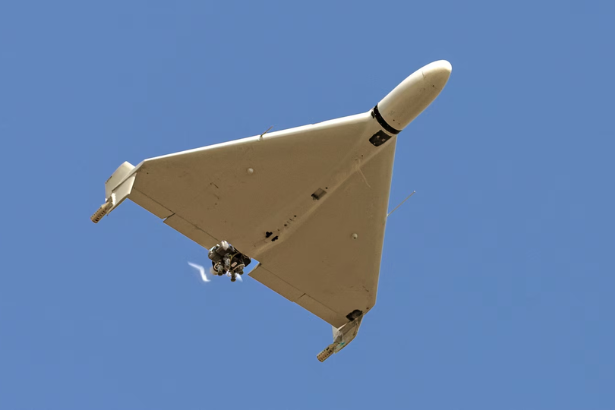
An FBI bulletin circulated to California law enforcement described unvetted intelligence that Iran aspired to launch a drone attack from a vessel off the U.S. coast. Gov. Newsom says there is no imminent threat. Officials say these types of warnings are shared with local agencies every single day.
The Iran California drone threat story that swept social media this week rests on a single FBI intelligence bulletin — one that officials across multiple agencies are now careful to describe not as an attack warning, but as a precautionary information share rooted in unverified, uncorroborated reporting.
That distinction matters. It does not make the underlying context any less serious.
What the FBI Bulletin Actually Said
The bulletin, distributed to California law enforcement at the end of February and reviewed by both ABC News and CNN, contained a direct quote that became the story’s engine: “We recently acquired information that as of early February 2026, Iran allegedly aspired to conduct a surprise attack using unmanned aerial vehicles from an unidentified vessel off the coast of the United States Homeland, specifically against unspecified targets in California, in the event that the US conducted strikes against Iran.”
The next line is equally important. The bulletin stated: “We have no additional information on the timing, method, target, or perpetrators of this alleged attack.”
That is the operational picture in full — an aspiration, no confirmed method, no identified target, no named actor, no timeline. Federal investigators frequently share information of questioned credibility with local law enforcement as a precautionary measure, according to multiple officials who reviewed the memo. One law enforcement source told CNN that these types of reports are shared with local agencies “daily.” The U.S. intelligence community routinely collects signals from adversaries expressing a desire to cause harm. Expressing a desire is not the same as executing a plan.
California Gov. Gavin Newsom addressed the story directly. “While we are not aware of any imminent threats at this time, we remain prepared for any emergency in our state,” he wrote on social media, adding that he is “in constant coordination with security and intelligence officials” over potential threats tied to the conflict in the Middle East.
President Donald Trump, when asked about the memo by reporters Wednesday, confirmed the government is looking into it. “It’s being investigated,” he said. Pressed on whether he had been briefed on the possible presence of Iranian sleeper cells in the United States, Trump told reporters, “I have been.”
The Broader Threat Picture Behind the Bulletin
The Iran California drone threat bulletin did not arrive in a vacuum. It was part of a larger wave of private intelligence warnings the U.S. intelligence community has issued in the past week to American companies and government agencies, according to national security sources and memos reviewed by CNN.
The strategic context is significant. Ayatollah Ali Khamenei, Iran’s supreme leader, was killed during the U.S.-Israeli bombing campaign that began last month. In the aftermath, a Department of Homeland Security “critical incident note” warned law enforcement agencies that two top Iranian religious leaders had issued separate Farsi-language fatwas calling on Muslims worldwide to take revenge for Khamenei’s death. The DHS bulletin also cited a decree from Iran’s Islamic Revolutionary Guards Corps warning that “the enemy will no longer have security anywhere in the world, even in their own homes.”
Following the launch of U.S. and Israeli strikes, the FBI went on an elevated alert status across the country, with authorities particularly focused on hardening U.S. energy infrastructure, securing government targets against sophisticated Iranian cyber threats, and monitoring the border.
John Cohen, the former head of intelligence for the Department of Homeland Security and an ABC News contributor, said he is specifically concerned about the possibility of drone warfare reaching U.S. soil from more than one direction. “We know Iran has an extensive presence in Mexico and South America, they have relationships, they have the drones and now they have the incentive to conduct attacks,” Cohen said. “The FBI is smart for putting this warning out so that state and locals can be better able to prepare and respond.”
A separate September 2025 bulletin, also reviewed by ABC News, warned of an uncorroborated claim that unidentified Mexican cartel leaders had authorized drone attacks carrying explosives against U.S. law enforcement and military personnel along the U.S.-Mexico border. That type of attack, officials noted, would be “unprecedented” — but the bulletin described it as a “plausible scenario” worth monitoring.
How Severely Degraded Is Iran’s Capability?
The intelligence behind the California drone bulletin was collected before the U.S. and Israel launched strikes against Iran. A senior law enforcement official told ABC News they believe the subsequent 12-day bombardment has severely degraded Iran’s ability to carry out such an attack at this stage.
That assessment does not eliminate the threat permanently. Iran has conducted drone warfare throughout the region and has developed long-range UAV platforms used in multiple regional conflicts. Intelligence officials have long been concerned about the possibility of equipment being pre-positioned — on land or on ships at sea — in anticipation of a U.S. or Israeli strike. The California bulletin specifically cited a vessel off the U.S. coast as the theoretical launch platform.
What has changed is the operational capacity. Whether that assessment holds over time depends on how the conflict develops.
How California Is Responding
Despite the absence of a confirmed or imminent threat, state and local agencies have moved to a higher operational posture.
The Governor’s Office of Emergency Services told ABC News it is “actively working with state, local and federal security officials to protect our communities.” The LA County Sheriff’s Department issued a statement saying it is maintaining an “elevated level of readiness” in light of current global events, and has increased patrols around places of worship, cultural institutions, and other prominent locations across the county. The department said it has reviewed deployment plans, enhanced coordination with patrol stations, and ensured that additional resources are available if needed.
The FBI’s Los Angeles field office declined to comment.
FAQ
Q1: What is the Iran California drone threat and where did it come from? The Iran California drone threat refers to an FBI intelligence bulletin distributed to California law enforcement at the end of February 2026. The bulletin contained unverified intelligence that as of early February, Iran allegedly aspired to launch a drone attack from an unidentified vessel off the U.S. coast against unspecified targets in California. The bulletin explicitly stated that no additional information on timing, method, target, or perpetrators was available.
Q2: Is the Iran California drone threat considered a credible, imminent danger? No. Multiple officials who reviewed the memo described the intelligence as “aspirational” in nature. California Gov. Gavin Newsom said there is no imminent threat to the state. A law enforcement source told CNN these types of unverified reports are shared with local agencies on a daily basis as a standard precautionary measure. The U.S. intelligence community distinguishes between collecting signals of intent and confirming a credible operational plan.
Q3: Why did the FBI issue the warning if the information was unverified? Federal investigators regularly share intelligence of questioned credibility with state and local law enforcement partners as a precaution, particularly during periods of heightened geopolitical tension. The goal is to ensure agencies are aware and can calibrate their security posture accordingly — not to signal that an attack is imminent. One official told CNN these types of reports are distributed daily.
Q4: What is the broader threat environment that prompted the Iran California drone threat alert? Following the killing of Iranian Supreme Leader Ayatollah Ali Khamenei during U.S.-Israeli strikes last month, a Department of Homeland Security bulletin warned that two Iranian religious leaders issued Farsi-language fatwas calling for revenge. Iran’s Islamic Revolutionary Guards Corps also issued a decree warning that enemies “will no longer have security anywhere in the world.” The FBI went on elevated alert status nationwide, with particular focus on U.S. energy infrastructure, government cyber targets, and border security.
Q5: Has Iran’s ability to carry out a drone attack on California been affected by the war? According to a senior law enforcement official cited by ABC News, the 12-day U.S.-Israeli bombing campaign is believed to have severely degraded Iran’s capabilities to carry out such an attack. However, intelligence officials have long been concerned about the possibility of weapons or drone systems being pre-positioned outside Iran — on ships or in other countries — before any strikes began. Former DHS intelligence head John Cohen noted that Iran has an extensive presence in Mexico and South America and has both the drones and the motivation to threaten U.S. targets.
Sources & References
- ABC News — FBI Warns Iran Aspired to Attack California With Drones in Retaliation for War
- CNN — Gov. Gavin Newsom Says No ‘Imminent Threat’ to California After FBI Memo on Possible Iran Drone Attacks
- CNN — US Intelligence Warns of Retaliatory Attacks From Iran
- ABC News — Iran May Be Activating Sleeper Cells Outside the Country, Alert Says
- CNN — Pro-Iran Hackers Claim Cyberattack on Major US Medical Device Maker