Introduction
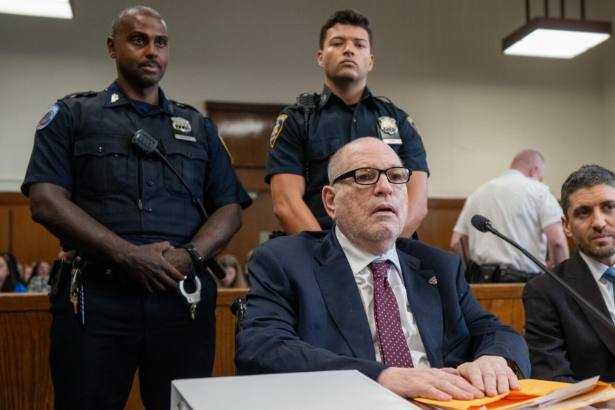
Harvey Weinstein sentenced to 15 years is the latest chapter in one of the longest-running criminal cases to emerge from Hollywood’s #MeToo era. A Manhattan judge sentenced Weinstein on September 23, 2026, after a jury conviction involving former television production assistant Miriam Haley and an assault at Weinstein’s Manhattan apartment in 2006.
The sentence follows years of appeals, retrials and legal reversals. Weinstein was originally sentenced to 23 years in New York in 2020, but that conviction was overturned in 2024. He was convicted again in a 2025 retrial on the charge involving Haley, leading to Wednesday’s sentencing.
BBC News: Harvey Weinstein sentencing report
Background and Context
Harvey Weinstein was once one of the most influential producers in American cinema, associated with films including Pulp Fiction, Shakespeare in Love and Chocolat. His career collapsed after numerous women publicly accused him of sexual misconduct beginning in 2017. The allegations helped propel the #MeToo movement into global prominence.
The New York case has been unusually complicated.
In 2020, a Manhattan jury convicted Weinstein of a criminal sexual act involving Miriam Haley and of raping aspiring actress Jessica Mann. He received a 23-year sentence.
New York’s highest court overturned those convictions in 2024, ruling that the original trial had been prejudiced by the admission of testimony concerning allegations that were not directly part of the charges being tried.
Prosecutors subsequently brought Weinstein back to trial.
That retrial produced a new conviction involving Haley while leaving other allegations unresolved.
Latest Update: Harvey Weinstein Sentenced to 15 Years
On September 23, Manhattan Judge Curtis Farber sentenced Weinstein to 15 years in prison for the conviction involving Miriam Haley. Reuters and the Associated Press both reported the sentence as the culmination of a legal process that began with Weinstein’s 2020 conviction and continued through the appellate reversal and subsequent retrials.
Haley appeared in court and delivered a victim impact statement before sentencing. According to the Guardian, she described years of harassment and humiliation following the assault and told the court that the experience had already amounted to a “life sentence.”
Prosecutors had requested a 20-year sentence followed by five years of post-release supervision. Weinstein’s lawyers requested nine years. The judge ultimately imposed 15 years.
Weinstein also addressed the court.
The Guardian reported that he expressed remorse for what happened to Haley and apologized, while other reporting notes that he continues to maintain his broader innocence and intends to appeal.
The Guardian: Harvey Weinstein sentenced to 15 years after sexual assault conviction
NBC News: Harvey Weinstein sentenced to 15 years in New York
Expert Insights or Analysis
The significance of the sentence is partly procedural.
This is not simply a continuation of Weinstein’s original 23-year New York sentence. That conviction was overturned, meaning prosecutors had to retry the case under the legal standards established after the appellate ruling.
The retrial produced a new conviction specifically involving Haley. A separate charge involving former model Kaja Sokola resulted in an acquittal, while the rape charge involving Jessica Mann remained unresolved after jurors failed to reach a verdict. Prosecutors later dropped that charge after Mann said she could not endure another trial.
That history explains why the latest 15-year sentence represents a new judgment rather than simply reinstating the punishment imposed in 2020.
The case also illustrates how high-profile criminal proceedings can extend for years when convictions are appealed, overturned and retried.
Broader Implications
The #MeToo movement and the legal system
Weinstein’s allegations became one of the defining catalysts of the #MeToo movement. The Guardian reported that more than 80 women have come forward with allegations of sexual assault or misconduct against him.
The latest sentence therefore has significance beyond the individual case. It represents another major legal development stemming from allegations that helped change how sexual misconduct was discussed in entertainment and workplaces.
At the same time, the repeated trials demonstrate that high-profile cases remain subject to the same appellate and procedural requirements as other criminal proceedings.
A separate California case remains important
The New York sentence is not the only major prison term Weinstein faces.
He was convicted in California in 2022 of rape and sexual assault and received a 16-year sentence. In June 2026, a California appeals court upheld the conviction but ordered resentencing.
The interaction between the New York and California sentences is therefore still significant. Judge Farber said California would determine whether the sentences ultimately run consecutively or concurrently.
For readers following the broader Hollywood legal landscape, this case also connects to The Tech Marketer’s wider coverage of major developments in technology, media and culture.
Related History or Comparable Cases
Weinstein’s original New York sentencing in March 2020 resulted in a 23-year prison term. At that time, Judge James Burke imposed consecutive sentences of 20 years for the first-degree criminal sexual act conviction and three years for third-degree rape.
That conviction was subsequently overturned in 2024.
The legal reasoning behind the reversal became an important part of the subsequent proceedings because it required prosecutors to retry the case rather than simply rely on the earlier verdict.
The 2025 retrial then produced a new conviction involving Haley, while the remaining allegations went through their own separate procedural paths.
The result is an unusually lengthy sequence:
2017: Public allegations against Weinstein become a major international story.
2018: Weinstein is arrested in New York.
2020: New York jury convicts him and he receives 23 years.
2022: California jury convicts him of rape and sexual assault.
2024: New York’s highest court overturns his original conviction.
2025: New York retrial produces a new conviction involving Haley.
May 2026: Jury deadlocks on the remaining Mann rape charge.
June 2026: California appeals court upholds Weinstein’s conviction but orders resentencing.
September 2026: New York judge sentences Weinstein to 15 years.
What Happens Next
The immediate legal issue is the possibility of an appeal.
Reuters reported that Weinstein’s 15-year sentence follows his 2025 retrial conviction and that he has continued to deny sexually assaulting anyone.
The California proceedings also remain unresolved because the state’s appeals court upheld the conviction but ordered a new sentencing process.
That means Weinstein’s ultimate time in custody will depend not only on the new New York sentence but also on developments in California and decisions about how the sentences interact.
The dropped Jessica Mann charge is another major change from the original New York case. The charge was dismissed after repeated retrial proceedings and Mann’s decision that she could not endure another trial.
Conclusion
The Harvey Weinstein sentenced to 15 years development closes another major chapter in the New York criminal proceedings against the former Hollywood producer.
The sentence stems specifically from his conviction involving Miriam Haley and the 2006 assault at his Manhattan apartment. It follows the overturning of Weinstein’s original 2020 conviction and a subsequent retrial that produced a new guilty verdict.
But the legal story is not completely finished. Weinstein faces continuing proceedings in California, and his lawyers are expected to pursue further legal challenges.
The latest sentencing also underscores how the Weinstein cases have stretched across nearly a decade, from the allegations that helped ignite #MeToo to repeated courtroom battles over evidence, convictions, appeals and retrials.
FAQ
Why was Harvey Weinstein sentenced to 15 years?
Weinstein was sentenced to 15 years after being convicted in New York of sexually assaulting former television production assistant Miriam Haley in 2006.
When was Harvey Weinstein sentenced?
He was sentenced on September 23, 2026, in Manhattan.
Was this the same conviction that led to his 2020 sentence?
No. Weinstein’s original New York convictions resulted in a 23-year sentence in 2020, but New York’s highest court overturned those convictions in 2024. The latest sentence follows a subsequent retrial and new conviction involving Haley.
Who is Miriam Haley?
Miriam Haley is a former television production assistant who accused Weinstein of sexually assaulting her at his Manhattan apartment in 2006. She testified in both the original New York proceedings and the later retrial.
What happened to the Jessica Mann rape charge?
The jury could not reach a verdict on the charge involving Jessica Mann. Prosecutors later dropped the charge after Mann said she could not endure another trial.
Does Harvey Weinstein face another prison sentence in California?
He has a separate California rape and sexual assault conviction. A California appeals court upheld that conviction in June 2026 but ordered resentencing.
Is Harvey Weinstein appealing the 15-year sentence?
Weinstein has continued to challenge the criminal allegations and is expected to pursue further legal appeals. Reuters reported that he has denied assaulting anyone or having non-consensual sex.
Why is the Weinstein case associated with #MeToo?
The allegations against Weinstein became one of the major events that helped propel the #MeToo movement internationally beginning in 2017. More than 80 women have publicly made allegations of sexual assault or misconduct against him.
Sources & References
- BBC News: Harvey Weinstein sentencing report
- The Guardian: Harvey Weinstein sentenced to 15 years after sexual assault conviction
- NBC News: Harvey Weinstein sentenced to 15 years in New York sex-crime conviction
- Reuters: Harvey Weinstein sentenced to 15 years for New York sexual assault
- Associated Press: Harvey Weinstein is sentenced to 15 years in prison for 2006 sexual assault