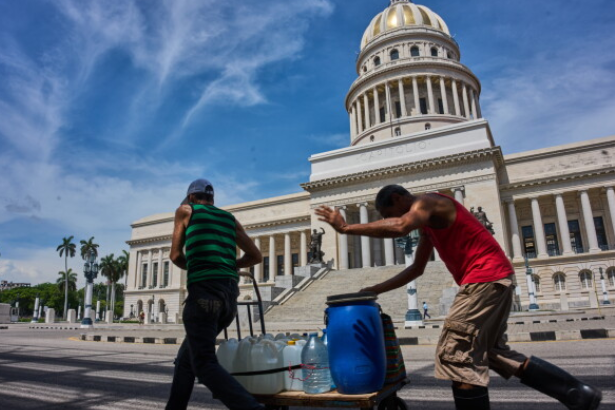
Millions of Cubans are facing worsening access to water, transportation, and essential services as fuel shortages deepen and infrastructure challenges intensify.
Cuba news is trending globally after new reports highlighted worsening water shortages across the island, driven in part by declining fuel supplies and an increasingly strained infrastructure system. The situation has renewed international attention on Cuba’s ongoing economic challenges and raised concerns about the humanitarian impact on millions of residents.
The latest developments underscore how interconnected energy, transportation, and public utility systems have become in a country already struggling with years of economic pressure and aging infrastructure.
Background and Context
Cuba has faced recurring shortages of fuel, food, medicine, and basic consumer goods in recent years.
The country relies heavily on imported fuel to power transportation networks, electricity generation, agricultural operations, and water distribution systems. When fuel supplies decline, the effects ripple across virtually every sector of daily life.
Compounding the problem are decades-old infrastructure systems that require significant investment and modernization.
While shortages have become a recurring challenge, recent reports suggest conditions are worsening in several regions.
Latest Update: Why Cuba News Is Trending
Water Shortages Expand Across the Country
Reports indicate that water access has become increasingly difficult for many communities as operational challenges affect pumping and distribution systems.
Fuel shortages have limited the ability of authorities to transport water and maintain infrastructure at normal levels, creating disruptions that affect households and businesses alike.
Residents in some areas have reportedly faced extended waits for water deliveries or reduced access to regular municipal services.
Fuel Supplies Continue to Tighten
The energy situation remains one of the central drivers behind the broader crisis.
Reduced fuel availability affects transportation, agriculture, power generation, and public utilities. As supplies tighten, authorities are forced to prioritize critical services, often leaving other sectors with limited resources.
The shortages have contributed to broader economic strain and increased pressure on public services.
Humanitarian Concerns Grow
International observers and humanitarian organizations have expressed concern that prolonged shortages could further affect living conditions across the island.
Access to reliable water supplies is particularly important during periods of extreme weather and high temperatures, making disruptions especially challenging for vulnerable populations.
The combination of energy shortages and infrastructure constraints has intensified concerns about long-term sustainability.
Expert Analysis
The current situation illustrates how infrastructure systems can become vulnerable when multiple pressures emerge simultaneously.
Fuel is not simply an energy source. It is a foundational input for:
- Water distribution
- Transportation networks
- Food production
- Emergency services
- Public utilities
When supply chains weaken, disruptions quickly spread beyond the energy sector.
Analysts note that Cuba’s challenges are being amplified by a combination of economic constraints, aging infrastructure, and limited access to external financing and investment.
The result is a cycle where infrastructure maintenance becomes increasingly difficult just as demand for essential services continues to grow.
Broader Implications
For Cuban Citizens
The most immediate impact is being felt by residents who depend on reliable access to water, transportation, and electricity.
Service disruptions can affect daily routines, healthcare access, education, and economic activity.
For Regional Stability
Economic and humanitarian challenges in Cuba often attract attention throughout the Americas due to their potential implications for migration, trade, and regional diplomacy.
Neighboring countries and international organizations continue to monitor developments closely.
For Global Energy Discussions
The situation highlights how energy security remains closely linked to public welfare.
Even relatively localized fuel shortages can create widespread consequences when essential infrastructure depends heavily on consistent energy supplies.
Related History
Cuba has faced multiple economic and infrastructure crises over the past several decades.
Notable challenges have included:
- Energy shortages
- Food supply disruptions
- Hurricane-related infrastructure damage
- Economic sanctions and trade restrictions
- Declining industrial productivity
The current water and fuel shortages represent the latest chapter in a broader struggle to maintain essential services amid ongoing economic constraints.
What Happens Next?
Government officials are expected to continue prioritizing critical infrastructure and essential services while seeking additional fuel supplies and operational support.
Key areas to watch include:
- Fuel import levels
- Water distribution capacity
- Electricity generation stability
- Humanitarian assistance efforts
- Economic policy responses
The speed at which conditions improve will likely depend on both domestic policy measures and broader international economic factors.
Conclusion
The latest Cuba news reflects a growing challenge that extends beyond fuel shortages alone. Water access, transportation, energy security, and public infrastructure are all interconnected, making the current situation particularly difficult to resolve quickly.
As shortages continue to affect communities across the island, policymakers and international observers will be closely watching how authorities respond to mounting humanitarian and economic pressures.
FAQ
Why is Cuba news trending today?
Cuba is trending because reports indicate worsening water shortages and fuel supply problems affecting communities across the island.
What is causing the water shortages in Cuba?
Fuel shortages, aging infrastructure, and operational challenges have contributed to disruptions in water distribution systems.
How does the fuel crisis affect daily life in Cuba?
Fuel shortages impact transportation, electricity generation, food distribution, water services, and other essential sectors.
Is Cuba facing a humanitarian crisis?
Several reports and analysts have expressed concern that ongoing shortages are creating increasingly serious humanitarian challenges.
What happens next for Cuba?
Authorities are expected to focus on securing fuel supplies, maintaining essential services, and addressing infrastructure challenges while managing broader economic pressures.
Sources & References
- Associated Press — Water Shortages Worsen Across Cuba as Oil Supplies Dwindle
https://apnews.com/article/cuba-water-shortages-oil-fuel-us-blockade-4cffcda6aa913ef5e4540b91b1568e3b - Axios — Cuba’s Humanitarian Crisis Worsens as Fuel Supplies Tighten
https://www.axios.com/2026/05/28/cubas-fuel-shortage-humanitarian-crisis - Toronto Star — Water Shortages Worsen Across Cuba as Oil Supplies Dwindle
https://www.thestar.com/news/world/americas/water-shortages-worsen-across-cuba-as-oil-supplies-dwindle/article_9a57cb20-0128-5e54-ad21-e5a2ca5238b2.html