Introduction
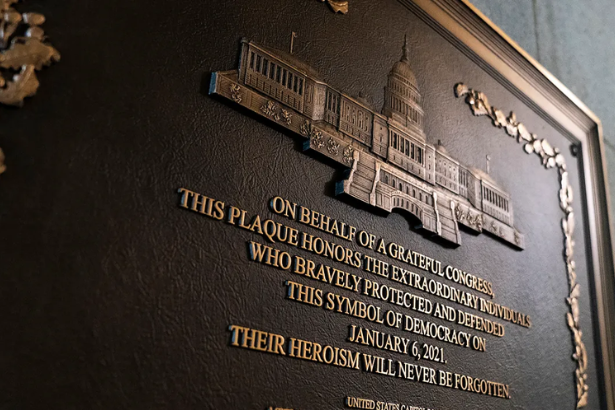
The Capitol Police plaque lawsuit dismissal has put a new legal spotlight on how federal courts determine who can challenge the government’s implementation of a congressional directive. U.S. District Judge Dabney Friedrich dismissed a lawsuit brought by former U.S. Capitol Police officer Harry Dunn and Metropolitan Police Department officer Daniel Hodges, who sought changes to a memorial plaque honoring law enforcement personnel who responded to the January 6, 2021, Capitol attack.
The ruling did not decide whether the plaque’s design or placement fully complies with the 2022 law that authorized and directed the memorial. Instead, the case was dismissed because the court concluded the two plaintiffs lacked Article III standing, meaning they had not established the type of concrete injury required to bring the dispute in federal court.
Background and Context
Congress included the memorial provision in Section 214 of the Consolidated Appropriations Act of 2022.
The legislation expressed Congress’s gratitude to Capitol Police, Metropolitan Police Department officers and other federal, state and local law enforcement personnel who protected the Capitol, lawmakers and staff on January 6, 2021.
The statute directed the Architect of the Capitol to obtain an honorific plaque listing the names of the responding officers and place it at a permanent location on the western front of the Capitol. A March 2026 federal court opinion summarized that statutory requirement while addressing earlier attempts by other individuals to intervene in the Dunn litigation.
Dunn and Hodges filed their lawsuit after arguing that the implementation of the memorial did not fulfill what Congress had required.
The dispute became particularly focused on the plaque’s visibility and the absence of individual officers’ names from the physical face of the memorial.
Latest Update or News Breakdown
Judge Friedrich’s September 30, 2026 ruling dismissed the lawsuit for lack of subject-matter jurisdiction.
The Hill’s report on the ruling states that Dunn and Hodges lacked standing to challenge the omission of their names and those of other first responders from the plaque. The physical plaque lists the participating law-enforcement agencies and organizations, while a QR code provides access to individual officers’ names.
The lawsuit was brought by:
- Harry Dunn, a former U.S. Capitol Police officer.
- Daniel Hodges, an officer with the District of Columbia Metropolitan Police Department.
They sought judicial intervention concerning how the memorial was installed and presented.
WOAI’s report reports that the plaque was installed in March 2026 and that it acknowledges the agencies involved while providing a QR code through which visitors can access individual officers’ names.
What the judge actually decided
The distinction between standing and the underlying dispute is central.
Judge Friedrich did not rule that the plaque necessarily satisfies every requirement of Congress’s 2022 law.
Instead, the court concluded that the plaintiffs had not demonstrated a legally recognizable injury sufficient to establish Article III standing. Because standing is a jurisdictional requirement, the court could not proceed to decide the broader statutory dispute.
Expert Insights or Legal Analysis
The decision centers on a basic principle of federal constitutional law: plaintiffs generally must demonstrate a concrete injury that is sufficiently connected to the challenged government action.
According to Law&Crime’s account of the ruling, Dunn and Hodges argued that the failure to provide the requested recognition contributed to psychological distress and unfavorable public perceptions. Friedrich concluded that the alleged consequences did not establish the concrete injury required under Article III.
The judge also addressed the plaintiffs’ particularly close connection to the memorial.
Dunn and Hodges were among the officers Congress intended to honor, giving them a personal connection to the subject of the dispute. But Friedrich concluded that the strength of that personal interest did not itself create constitutional standing.
That distinction is important because the ruling was procedural and jurisdictional rather than a determination about the historical significance of the officers’ service.
The Roberts connection
Friedrich also cited a dissent by Chief Justice John Roberts in another case involving an effort to challenge construction of a proposed White House ballroom.
Law&Crime reported that Friedrich relied on Roberts’ discussion of the difference between having a strong personal interest in government action and possessing the concrete injury required for Article III standing.
The citation became one of the more notable features of the ruling because it connected the plaque dispute to a broader debate about standing in federal courts.
Broader Implications
What the ruling means for the plaque
The dismissal does not order the Architect of the Capitol to redesign, relocate or replace the memorial.
It also does not establish that the plaque complies with every element of the 2022 congressional directive.
Instead, the court’s decision means that this particular lawsuit could not proceed because the plaintiffs did not establish standing.
That leaves the underlying questions about the plaque’s implementation separate from the court’s jurisdictional ruling.
Why standing matters
Standing can determine whether a federal court reaches the substance of a dispute at all.
A plaintiff may have a strong personal interest in a government action but still need to demonstrate a legally cognizable injury. The Dunn and Hodges decision illustrates that distinction in a highly public dispute involving congressional instructions, government property and recognition of law enforcement personnel.
For broader coverage of technology, digital culture and the way major news stories spread online, see The Tech Marketer.
Related History or Comparable Cases
The plaque dispute is rooted in congressional action from 2022.
The Consolidated Appropriations Act included language honoring officers who protected the Capitol and instructed the Architect of the Capitol to create and install a plaque listing their names. The statutory deadline was one year after enactment.
The dispute later became a federal lawsuit after Dunn and Hodges challenged how the memorial was being implemented.
A March 30, 2026 opinion in the same case provides additional procedural history. At that point, the court was considering motions by two January 6 defendants who sought to intervene in the lawsuit. Judge Friedrich denied those motions.
The September 30 dismissal represents a different question: whether Dunn and Hodges themselves had standing to pursue their claims.
What Happens Next
The September 30 dismissal ends the case at the district-court level unless the plaintiffs pursue further review.
As of October 2, 2026, the reporting reviewed for this article had not identified a public announcement that Dunn or Hodges had filed an appeal. An appeal to the U.S. Court of Appeals for the D.C. Circuit would be a separate proceeding from the district court’s September 30 ruling.
The dismissal also leaves unresolved, within this case, questions concerning whether the plaque’s physical design and location satisfy Congress’s 2022 instructions.
Those questions could potentially be addressed through another legal proceeding, congressional action or administrative decisions, depending on what happens next.
Conclusion
The Capitol Police plaque lawsuit dismissal was ultimately about federal court jurisdiction rather than a final judicial determination of whether the memorial complies with Congress’s instructions.
Judge Dabney Friedrich concluded that Harry Dunn and Daniel Hodges had not demonstrated the concrete injury necessary for Article III standing and therefore dismissed their case.
The ruling leaves the physical plaque in place while separating two questions that can easily become blurred in public discussion: whether the memorial fulfills Congress’s 2022 directive and whether these particular plaintiffs had the legal standing to ask a federal court to intervene.
Those are not the same question, and the September 30 decision addressed the latter.
FAQ
1. What is the Capitol Police plaque lawsuit dismissal?
It is the September 30, 2026 dismissal of a federal lawsuit brought by Harry Dunn and Daniel Hodges concerning a memorial plaque honoring law enforcement officers who responded to January 6, 2021. Judge Dabney Friedrich ruled that the officers lacked Article III standing.
2. Why was the Capitol Police plaque lawsuit dismissed?
The court concluded that the plaintiffs had not demonstrated the concrete injury required for federal standing. Because the court lacked subject-matter jurisdiction, it did not reach the broader merits of their claims about the plaque.
3. Who filed the lawsuit?
The plaintiffs were former U.S. Capitol Police officer Harry Dunn and Metropolitan Police Department officer Daniel Hodges.
4. What is on the Capitol plaque?
Reporting indicates that the physical plaque identifies the law enforcement agencies and organizations that sent personnel to defend the Capitol. A QR code provides access to individual officers’ names.
5. Did the judge rule that the plaque complies with Congress’s law?
No. The dismissal was based on standing and jurisdiction. The court did not issue a final merits ruling determining whether the plaque’s design and placement comply with every requirement of the 2022 statute.
6. What law created the plaque requirement?
Section 214 of the Consolidated Appropriations Act of 2022 established the congressional recognition and directed the Architect of the Capitol to obtain an honorific plaque listing the names of responding officers.
7. Can the officers appeal?
An appeal to the D.C. Circuit is procedurally possible, but the reporting reviewed for this article had not identified a public announcement of an appeal as of October 2, 2026.