Introduction
The Troy Aikman Lawrence McCutcheon tribute has drawn attention to the life and legacy of one of the Los Angeles Rams’ most respected former players. McCutcheon, a five-time Pro Bowl running back who later spent decades working in the Rams’ front office, died on October 23, 2026, at the age of 76 following a long battle with Parkinson’s disease.
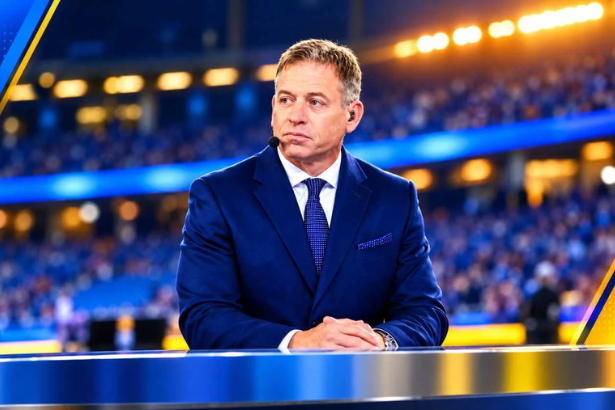
Aikman, the former Dallas Cowboys quarterback and longtime NFL broadcaster, remembered McCutcheon as a player he admired growing up in Southern California. His message offered a personal glimpse into the influence McCutcheon had on generations of football fans.
“Sad news. As a Rams Fan as a young boy growing up in SoCal, he was the man. I met him later in life and he was a true gentleman. RIP Lawrence,” Aikman wrote in a message shared on his Instagram story, according to published reports.
The reaction reflects something larger than the passing of a former football star. McCutcheon’s career connected several generations of Rams players, coaches, executives and supporters. His legacy included a standout playing career, a memorable Super Bowl moment and more than three decades of work behind the scenes.
Background and Context: Who Was Lawrence McCutcheon?
Lawrence McCutcheon was one of the most productive running backs of his era, earning recognition for his performances with the Rams during the 1970s.
Born in Plainview, Texas, McCutcheon played college football at Colorado State before the Rams selected him in the third round of the 1972 NFL Draft. He quickly established himself as an important part of the team’s offense.
His breakout season came in 1973, when he rushed for more than 1,000 yards and earned the first of five consecutive Pro Bowl selections.
Between 1973 and 1977, McCutcheon became a central figure in the Rams’ running game. His combination of speed, vision and consistency helped him establish a reputation as one of the franchise’s leading offensive players.
Fans also knew him by his nickname, “Clutch.”
The numbers behind his NFL career
McCutcheon’s playing record remains an important part of Rams history.
- Five consecutive Pro Bowl selections: He earned the honor every year from 1973 through 1977.
- 6,186 rushing yards with the Rams: He finished his Los Angeles playing career as the franchise’s leading rusher at the time.
- 6,578 career rushing yards: His total across his NFL career included stops with the Rams, Denver Broncos, Seattle Seahawks and Buffalo Bills.
- 26 career rushing touchdowns: He contributed as both a runner and receiver during his professional career.
- A memorable Super Bowl XIV moment: He threw a touchdown pass to Ron Smith against the Pittsburgh Steelers in January 1980.
His 6,186 rushing yards with the Rams currently rank fourth in franchise history, behind Steven Jackson, Eric Dickerson and Marshall Faulk.
Those statistics tell only part of the story. McCutcheon played during a period when the Rams established themselves as a consistent postseason contender, and his performances helped define the team’s offensive identity.
Latest Update: Troy Aikman’s Tribute and the NFL’s Reaction
News of McCutcheon’s death prompted tributes from the Rams organization, former teammates, football observers and fans.
Aikman’s message attracted particular interest because it connected the accomplished broadcaster to his younger self as a football fan.
Before becoming a three-time Super Bowl champion and a Hall of Fame quarterback with the Cowboys, Aikman grew up in Southern California watching the Rams. McCutcheon was one of the players who left a lasting impression on him.
His tribute was personal rather than ceremonial. Aikman remembered not only McCutcheon’s football ability but also the impression he made when they eventually met.
That distinction matters. Professional sports often preserve athletes’ legacies through statistics, awards and championship records. Personal recollections reveal how those athletes affected people who watched them long before they entered the same professional world.
The Rams honor a franchise icon
The Los Angeles Rams also issued a statement mourning McCutcheon’s passing.
The organization highlighted his achievements as a five-time Pro Bowl running back and his subsequent service in the team’s front office, where he worked in scouting and player personnel.
McCutcheon returned to the Rams organization in 1982 after completing his playing career. Over the following decades, he held several positions, including director of scouting and director of player personnel.
He retired in 2016.
His connection to the franchise therefore extended well beyond his eight seasons as a Rams player. He spent decades helping the organization evaluate talent, develop rosters and prepare for future seasons.
The Rams’ tribute emphasized that his influence spanned generations of people associated with the team.
Fans remember more than the statistics
McCutcheon’s death also prompted fans to revisit memories of watching him play.
For supporters who followed the Rams during the 1970s, his name belongs to an era of football defined by powerful running games, physical defenses and intense competition for postseason success.
For younger fans, the renewed attention offers an opportunity to learn about a player whose influence continued long after he left the field.
Aikman’s tribute helped bridge those generations, bringing together a former fan’s childhood memories and the career of a player who helped shape the history of a major NFL franchise.
Expert Insights and Analysis: Why McCutcheon’s Legacy Matters
McCutcheon’s career offers an example of how professional athletes can remain influential after their playing days end.
His legacy rests on three connected contributions: production on the field, institutional knowledge behind the scenes and a lasting relationship with fans.
1. A defining player in Rams history
McCutcheon was a leading offensive player during a significant period for the Rams.
His five consecutive Pro Bowl appearances demonstrated sustained excellence rather than a brief run of success. Repeatedly surpassing 1,000 rushing yards also made him a dependable foundation for the team’s offense.
His rushing totals remain part of the franchise’s historical record, preserving his place alongside some of the most recognizable running backs in Rams history.
2. A career that continued after retirement from playing
Many professional athletes move into broadcasting, coaching or business after their playing careers end. McCutcheon chose to remain closely involved with the organization that drafted him.
His return to the Rams in 1982 began a lengthy second chapter.
Working in scouting and player personnel required a different set of skills from those he used as a running back. Evaluating prospects, assessing talent and helping construct a roster demanded a long-term understanding of the sport.
His eventual retirement in 2016 marked the end of a remarkable relationship with the franchise.
3. The importance of personal connections in sports
Aikman’s comments demonstrate how the influence of an athlete can extend beyond the people who played alongside him.
A childhood fan can carry memories of a favorite player for decades. When that fan later becomes a prominent figure in the same sport, a tribute can introduce a new audience to the person who inspired him.
That is part of what makes Aikman’s remembrance meaningful.
The former quarterback was not simply acknowledging another professional football figure. He was remembering someone whose career helped shape his own early experience as a fan.
Broader Implications: Parkinson’s Disease and the NFL Community
McCutcheon’s death has also brought renewed attention to Parkinson’s disease, a progressive neurological condition that can affect movement, coordination and other functions.
His family said he died after a long battle with the disease. The family did not publicly specify when he was diagnosed.
It is important to distinguish that confirmed information from broader questions about neurological conditions in professional sports. McCutcheon’s individual medical history does not establish what caused his Parkinson’s disease.
Nevertheless, the news arrives amid continued discussion about the long-term health of former athletes and the importance of research into neurological conditions.
Supporting Parkinson’s research
McCutcheon’s family asked people wishing to honor his memory to consider donating to the Michael J. Fox Foundation for Parkinson’s Research instead of sending flowers.
The organization supports research intended to improve understanding, treatment and, ultimately, prevention of Parkinson’s disease.
For readers who want to learn more or support research, the foundation provides information about its work and donation options.
A reminder of football’s lasting human connections
Professional football is often discussed through wins, losses, contracts and championship rings. Yet the reactions to McCutcheon’s death reveal another dimension of the sport.
A former player can influence fans, teammates and colleagues for decades. Those relationships may continue long after retirement.
Aikman’s tribute captures that connection. His memory of McCutcheon began with childhood admiration and continued into adulthood, when he discovered that the man behind the football reputation was also a gentleman.
For the Rams community, that combination of sporting achievement and personal character helps explain why McCutcheon is being remembered so warmly.
For more NFL history and analysis, The Tech Marketer could internally link this article to a related feature on the greatest Los Angeles Rams players of the 1970s or the evolution of the NFL running back.
Related History: McCutcheon’s Super Bowl Moment and the Rams’ Evolution
One of the most memorable moments in McCutcheon’s career came during Super Bowl XIV, when the Rams faced the Pittsburgh Steelers in January 1980.
McCutcheon threw a 24-yard touchdown pass to Ron Smith, giving Los Angeles a brief lead during the contest.
The Rams ultimately lost 31-19, but the play remains a notable moment in the franchise’s Super Bowl history.
McCutcheon’s career also illustrates how the role of a running back has evolved.
During the 1970s, teams frequently built their offenses around a strong ground game. A productive running back could control possession, sustain drives and help a team manage the pace of a game.
Modern NFL offenses often distribute responsibilities across multiple running backs, receivers and versatile offensive players. Although the tactical landscape has changed, the importance of reliable ball carriers has not disappeared.
McCutcheon’s success provides a historical reference point for understanding the role that running backs played in the Rams’ development.
His career also stands alongside those of later franchise stars, including Eric Dickerson, Marshall Faulk and Steven Jackson.
Each played in a different offensive era, but all helped establish the Rams’ running game as an important part of the team’s identity.
What Happens Next?
The immediate focus following McCutcheon’s death is on remembering his life and supporting his family.
The Rams community will continue to reflect on his contribution to the franchise, while former players and fans share memories of his playing career and work behind the scenes.
Several aspects of his legacy are likely to remain relevant in discussions of the team’s history.
First, his playing record remains part of the Rams’ identity. His five Pro Bowl selections and career rushing numbers establish his place among the franchise’s most productive running backs.
Second, his front-office career deserves equal recognition. His decades in scouting and player personnel demonstrate how former athletes can contribute to professional sports long after their playing days are over.
Third, the tributes offer a reminder of the personal side of sports history. Aikman’s recollections show how a player’s influence can reach future stars who first encounter the game as children.
Readers should also be aware that the family has encouraged donations to Parkinson’s research in McCutcheon’s memory.
As additional tributes emerge, the most meaningful measure of McCutcheon’s legacy may be the combination of his achievements, his service to the Rams and the affection expressed by people who knew him or watched him play.
Conclusion
The Troy Aikman Lawrence McCutcheon tribute has brought renewed attention to a football career that spanned the playing field, the front office and generations of Rams supporters.
McCutcheon earned five consecutive Pro Bowl selections, established himself as one of the franchise’s leading running backs and later spent decades helping the organization identify and develop talent.
His death at 76 marks the loss of a significant figure in Rams history. Yet Aikman’s remembrance also highlights something that statistics cannot fully capture: the lasting effect a player can have on the people who watch him, admire him and eventually get to know him.
For Aikman, McCutcheon was a childhood hero who proved to be a gentleman in person. For the Rams, he was a player and executive whose contributions stretched across decades.
And for football fans, his story is a reminder that a lasting sports legacy is measured not only in yards and awards, but also in the respect and affection that endure after the final whistle.
FAQ
1. Why is Troy Aikman paying tribute to Lawrence McCutcheon?
Troy Aikman paid tribute to McCutcheon following news of his death at 76. Aikman recalled watching the Rams as a child in Southern California and described McCutcheon as a childhood hero and a gentleman.
2. Who was Lawrence McCutcheon?
Lawrence McCutcheon was a former NFL running back best known for his eight seasons with the Los Angeles Rams from 1972 through 1979. He earned five consecutive Pro Bowl selections and later worked in the Rams’ front office for more than three decades.
3. How did Lawrence McCutcheon die?
McCutcheon died on October 23, 2026, at age 76, after a long battle with Parkinson’s disease, according to his family’s statement released through the Rams.
4. How many Pro Bowls did Lawrence McCutcheon make?
McCutcheon was selected to five consecutive Pro Bowls from 1973 through 1977.
5. What was Lawrence McCutcheon’s nickname?
His nickname was “Clutch,” a name associated with his playing career and remembered by the Rams community following his death.
6. What did Lawrence McCutcheon do after retiring from football?
After playing for the Rams, Broncos, Seahawks and Bills, McCutcheon returned to the Rams organization in 1982. He worked in scouting and player personnel, eventually serving as director of player personnel, before retiring in 2016.
7. What was Lawrence McCutcheon’s connection to Super Bowl XIV?
During Super Bowl XIV in January 1980, McCutcheon threw a 24-yard touchdown pass to Ron Smith. The Rams eventually lost to the Pittsburgh Steelers, 31-19.
8. How can fans honor Lawrence McCutcheon’s memory?
McCutcheon’s family requested donations to the Michael J. Fox Foundation for Parkinson’s Research in lieu of flowers.
Sources & References
- Los Angeles Rams: “Rams legend Lawrence McCutcheon passes away at age 76.” The team’s official announcement and career retrospective.
- Associated Press / NFL.com: “Lawrence McCutcheon, five-time Pro Bowl running back with Rams, dies at 76.” A career overview and account of his family’s announcement.
- NBC Sports: “Former Rams RB Lawrence McCutcheon dies at 76.” Reporting on his playing record, passing and family statement.
- Yahoo Sports: “Longtime Rams RB, executive Lawrence McCutcheon remembered after death at 76.” Coverage of his career and the reaction to his death.
- EssentiallySports: “‘RIP’: Condolences Pour In From Troy Aikman & Others As Rams Legend Passes Away After Battling With Parkinson’s.” Reporting on Aikman’s tribute and the reactions from football figures and fans.