


Introduction
Toys R Us is making its biggest U.S. store expansion in years, announcing plans to open 120 new standalone locations across the country in time for the 2026 holiday shopping season.
The expansion, being carried out with Go! Retail Group, will take the retailer from 40 standalone U.S. stores to 160. The company is also continuing its presence through shops inside Macy’s stores and additional travel retail locations.
The move comes less than a decade after Toys R Us filed for bankruptcy and subsequently closed its U.S. stores, giving the latest expansion particular significance for the retail industry.
Background and Context
Toys R Us filed for Chapter 11 bankruptcy protection in 2017 and began liquidating its U.S. stores in 2018.
The brand returned to the U.S. retail landscape through a different strategy. WHP Global acquired a controlling interest in Toys R Us in 2021 and subsequently expanded the brand through partnerships, including its shop-in-shop presence inside Macy’s stores.
Standalone stores began returning as part of a partnership with Go! Retail Group. The latest announcement represents a much larger expansion of that strategy.
Rather than simply restoring the old Toys R Us store network, the company is building a smaller but more experience-focused retail model.
Latest Update: Toys R Us Is Opening 120 New Stores
The headline number is 120 new standalone U.S. stores.
Toys R Us announced the expansion on September 17, saying the stores will open across the country during the 2026 holiday season through its partnership with Go! Retail Group. The rollout will bring the company’s standalone U.S. total to 160 locations.
The company has not released a complete public list of the 120 locations or provided opening dates and store sizes for every site. Fox Business reported that the retailer also has not specified whether every new location will remain open after the holiday season.
That leaves an important distinction between the announced expansion and a permanent return to the company’s former national footprint.
The current plan is nevertheless substantial. It represents a rapid increase from the 40 standalone stores operating before the announcement.
What Will the New Toys R Us Stores Look Like?
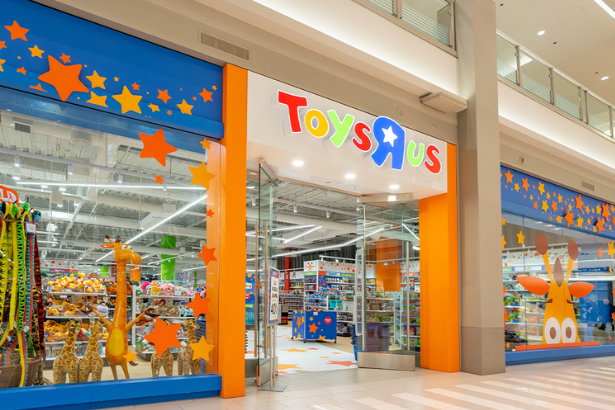
The new stores are expected to combine traditional toy retail with more experiential elements.
Toys R Us says stores will feature toys, collectibles and gifts from major brands including LEGO, Barbie, Hot Wheels and Pokémon. Select locations will also include Creator Studios, where influencers, creators and toy brands can produce content, launch products and host events.
Some locations will also feature candy shops and cafés.
That format reflects a broader change in physical retail. Stores increasingly need to provide an experience that shoppers cannot get simply by ordering the same product online.
For Toys R Us, the strategy also gives the brand an opportunity to turn its nostalgia into a physical destination.
The Retailer Is Expanding Beyond Traditional Stores
The 120 new standalone locations are only one part of the company’s U.S. expansion.
Toys R Us says it is also adding airport shop-in-shop locations through a partnership with WHSmith North America. One Orlando International Airport location opened in August, while a second is scheduled for summer 2027.
The company also continues operating Toys R Us shops inside Macy’s stores.
There are additional shop-in-shop relationships with the Navy Exchange Service Command, giving the brand multiple physical formats rather than relying entirely on conventional large stores.
That creates a retail network spanning malls, standalone stores, department stores, airports and other high-traffic locations.
Why Toys R Us Is Expanding Now
The timing is closely connected to the holiday shopping season.
The U.S. toy market has also shown stronger sales momentum in 2026. Yahoo Finance, citing Circana data, reported that toy sales increased 17% during the first half of the year, with average selling prices rising 4%.
That gives retailers a potentially favorable backdrop for expanding physical toy stores before the most important shopping period of the year.
The product mix is changing, too.
Collectibles, trading cards and other products have broadened the audience for toy retailers beyond parents shopping for children. Recent coverage has highlighted the growing importance of adult consumers in the toy market.
For Toys R Us, that creates an opportunity to sell nostalgia and collectibles alongside conventional children’s toys.
Expert Insights and Analysis
The most important feature of the Toys R Us expansion may not be the number of stores.
It is the company’s attempt to make physical retail part of the product itself.
Creator Studios, cafés, candy shops and event spaces can turn a toy store into an entertainment destination. That approach gives shoppers a reason to visit even when the same products are available online.
The strategy also fits a broader retail trend in which brands use physical locations for discovery, community events and content creation.
Toys R Us has an unusual advantage in this area because its brand already carries significant nostalgic value among adults who grew up shopping at its stores.
But the expansion also comes with practical questions.
The company must determine which store formats work outside the holiday period, how much traffic new locations generate and whether the economics of physical retail can support a rapidly expanding footprint.
Toys R Us and the Rise of Experiential Retail
The new store design reflects a larger shift in how retailers think about physical locations.
Traditional retail primarily treated a store as a place to display and sell products.
Experiential retail adds other reasons to visit.
For Toys R Us, that could include:
- Product launches
- Creator events
- Collectibles
- Interactive displays
- Candy and food
- Social media content
- Holiday experiences
- Brand partnerships
The Creator Studios are particularly notable because they connect the physical store to the online creator economy.
Instead of treating social media as separate from retail, Toys R Us can potentially use its stores as locations where creators and brands produce content around toys and collectibles.
The Role of Macy’s in the Comeback
The Macy’s partnership has been an important part of the brand’s U.S. return.
Rather than immediately rebuilding a nationwide standalone network, Toys R Us first used shop-in-shop locations to reintroduce the brand to consumers.
That strategy allowed the retailer to test demand and regain physical visibility without immediately recreating its former real estate footprint.
The new 120-store announcement represents a significant expansion beyond that approach.
Standalone locations give Toys R Us more control over store design, product assortment and customer experience, while Macy’s locations and airport stores allow the brand to reach shoppers through additional channels.
Broader Implications
Physical Retail Is Being Rebuilt Around Experiences
The Toys R Us expansion is another example of retailers using physical stores for more than transactions.
Stores can function as showrooms, event spaces, content studios and community destinations.
That is particularly relevant for categories where discovery matters. Toys, collectibles and games can benefit from shoppers seeing products in person and interacting with them.
Nostalgia Has Become a Retail Asset
Toys R Us has a recognizable identity that predates its bankruptcy.
The new expansion allows the company to use that history while building a new operating model.
The challenge is balancing nostalgia with the products and experiences today’s shoppers actually want.
Holiday Retail Could Become More Physical Again
The expansion is deliberately timed for the 2026 holiday season.
If the new locations attract meaningful traffic, Toys R Us could establish a stronger physical presence heading into future holiday periods.
The company has not yet disclosed the complete location list or the long-term operating plans for every new store, so the eventual scale of the permanent network remains to be seen.
For related coverage, see our internal link suggestion: How Experiential Retail Is Changing Shopping.
Related History and Comparable Technologies
Toys R Us once operated hundreds of stores across the United States before its bankruptcy and liquidation.
The current strategy is different.
Instead of attempting to recreate the old network immediately, the company has combined several retail formats and partnerships.
WHP Global’s controlling interest in the brand, the Macy’s shop-in-shop strategy and the partnership with Go! Retail Group have gradually rebuilt Toys R Us’s U.S. presence.
The latest expansion is therefore better understood as the next stage of a multi-year retail reconstruction rather than a sudden return to the business model that existed before 2018.
The technology component is also becoming more visible. Creator Studios, digital marketing and social content connect the physical store with online commerce and creator communities.
What Happens Next
The immediate focus will be the 2026 holiday season.
Key developments to watch include:
- Where the 120 new stores open.
- How quickly the locations begin operating.
- Whether stores remain open beyond the holiday period.
- Customer traffic and holiday sales.
- Performance of collectibles and higher-margin categories.
- Expansion of Creator Studios.
- Additional airport and travel-retail locations.
- The balance between standalone stores and Macy’s shop-in-shop locations.
The company also says its Orlando International Airport expansion will continue, with a second airport shop-in-shop planned for summer 2027.
The scale of the rollout means the holiday season should provide an important test of the new Toys R Us retail model.
Conclusion
Toys R Us is entering the 2026 holiday season with a dramatically larger U.S. retail footprint.
The planned 120 new standalone stores will increase the company’s standalone U.S. presence to 160 locations, while its Macy’s shops, airport locations and Navy Exchange relationships extend the brand’s reach through additional formats.
The comeback is not simply about reopening old-style toy stores.
Toys R Us is experimenting with Creator Studios, cafés, candy shops, collectibles and other experiences designed to make physical retail part of the attraction.
After bankruptcy and the closure of its U.S. stores, the brand now has another chance to prove whether its familiar name can translate into a sustainable modern retail network.
FAQ
1. How many new Toys R Us stores are opening?
Toys R Us plans to open 120 new standalone stores across the United States during the 2026 holiday season. The expansion will bring the standalone U.S. total to 160 locations.
2. When are the new Toys R Us stores opening?
The new stores are scheduled to open during the 2026 holiday shopping season. The company has not released opening dates for every location.
3. Why is Toys R Us expanding again?
The expansion is part of the brand’s continuing U.S. comeback following its 2017 bankruptcy and 2018 store closures. The company is also expanding during a period of stronger U.S. toy sales.
4. Who is helping Toys R Us open the new stores?
Toys R Us is partnering with Go! Retail Group for the 120-store standalone expansion.
5. Will the new Toys R Us stores be permanent?
The company has not disclosed whether every one of the 120 new locations will remain open after the 2026 holiday season. Fox Business reported that the retailer had not provided that detail.
6. Will the new Toys R Us stores have anything besides toys?
Yes. Select locations are expected to feature Creator Studios, while some stores will also have candy shops and cafés. The stores will sell toys, collectibles and gifts from brands including LEGO, Barbie, Hot Wheels and Pokémon.
7. Is Toys R Us still inside Macy’s?
Yes. Toys R Us continues to operate shop-in-shop locations inside Macy’s stores while expanding its standalone network.