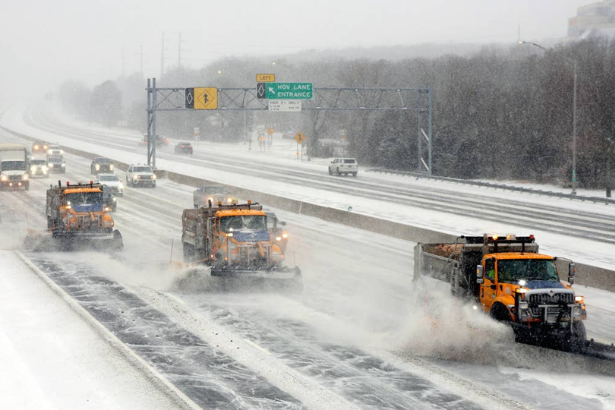
A powerful late-season storm is slamming the West, disrupting travel and testing infrastructure
The Sierra Nevada winter storm warning is rapidly escalating into one of the most disruptive late-season weather events in California this year. With forecasts calling for up to 24 inches of snow and wind gusts reaching 90 mph, officials are warning of dangerous travel conditions, possible highway closures, and widespread delays across key mountain routes.
From ski towns to interstate corridors, the storm is exposing just how fragile mobility becomes when extreme weather collides with aging infrastructure.
Background and Context
The Sierra Nevada is no stranger to heavy snowfall, but this storm stands out for its intensity and timing.
Spring storms in California often bring:
- Dense, wet snow that accumulates quickly
- High winds that reduce visibility and create whiteout conditions
- Increased avalanche risk in higher elevations
This system is also tied to a broader weather pattern pushing moisture into the western United States, offering drought relief while simultaneously creating hazardous short-term conditions.
Sierra Nevada Winter Storm Warning: What’s Happening Now


7
According to reports from
- KCRA
- Autoblog
- The Weather Channel
the storm is already impacting major travel corridors.
Key developments:
- Chain controls enforced along Interstate 80 near Donner Pass
- Potential closure of I-80 due to extreme snow accumulation
- Risk of disruption on Interstate 5, including the Grapevine
- Wind gusts up to 90 mph creating near-zero visibility
- Snowfall totals expected to reach 2 feet in higher elevations
This combination of heavy snow and extreme wind creates blizzard-like conditions, even outside traditional winter months.
Expert Insights and Analysis
Meteorologists point to a convergence of atmospheric factors:
1. Moisture-Rich Pacific System
A strong influx of Pacific moisture is fueling intense snowfall rates.
2. Orographic Lift Effect
As air rises over the Sierra Nevada, it cools rapidly, dumping large amounts of snow in a short period.
3. Wind Amplification
Mountain topography accelerates wind speeds, turning heavy snowfall into dangerous whiteout conditions.
The result is a high-impact storm that disproportionately affects transportation systems. Roads like I-80 are especially vulnerable because they cut directly through high-elevation passes.
Broader Implications
Infrastructure Stress Test
Storms like this highlight the limits of:
- Snow removal capacity
- Emergency response coordination
- Real-time traffic management systems
Climate Signal
While individual storms don’t define climate trends, scientists note an increase in extreme variability:
- Longer dry periods
- Followed by intense precipitation events
This pattern is reshaping how states like California prepare for both drought and flooding.
Internal Link Opportunity
For more on how climate and infrastructure intersect, explore related coverage on The Tech Marketer’s climate-tech insights.
Related History or Comparable Technologies
California has seen similar disruptions during:
- The 2023 atmospheric river events
- Historic Sierra snowpack seasons
- Major winter storms impacting Donner Pass
What’s changing is the integration of technology:
- AI-powered weather prediction models
- Real-time traffic and chain control systems
- Satellite monitoring for storm tracking
These tools improve forecasting but cannot eliminate physical risks.
What Happens Next
The storm is expected to move through the region over the next 24 to 48 hours, but impacts may linger.
What to watch:
- Road reopening timelines for I-80 and I-5
- Avalanche risk assessments
- Power outage reports in mountain communities
- Additional storm systems following behind
Travelers are strongly advised to delay non-essential trips and monitor official updates.
Conclusion
The Sierra Nevada winter storm warning is a reminder that even in an era of advanced forecasting, nature still dictates the rules.
With heavy snow, extreme winds, and critical infrastructure at risk, this storm is less about inconvenience and more about resilience. California’s ability to adapt to increasingly volatile weather patterns will define how disruptive these events become in the future.
FAQ
1. What is the Sierra Nevada winter storm warning?
It is an official alert indicating severe winter weather, including heavy snow and high winds, expected across the Sierra Nevada region.
2. How much snow is expected in the Sierra Nevada winter storm warning?
Forecasts suggest up to 24 inches of snow in higher elevations.
3. Will roads like I-80 close?
Yes, closures are possible, especially near Donner Pass due to dangerous conditions.
4. Why are winds so strong in this storm?
Mountain terrain amplifies wind speeds, with gusts reaching up to 90 mph.
5. Is this related to climate change?
While no single storm proves climate change, increasing weather extremes are consistent with broader climate trends.
Sources & References
- KCRA – Northern California storm impacts and chain controls
https://www.kcra.com/article/northern-california-storm-impacts-chain-controls-april-11-12/70992323 - Autoblog – Winter storm warning with 90 mph winds and heavy snow
https://www.autoblog.com/uncategorized/winter-storm-warning-90-mph-winds-and-24-inches-of-snow-threaten-i-80-closure-tonight-i-5-grapevine-at-risk-as-storm-hits-sierra-nevada-through-southern-california - The Weather Channel – पश्चिम storm system bringing rain and snow
https://weather.com/forecast/regional/video/rain-mountain-snow-west-drought-relief