


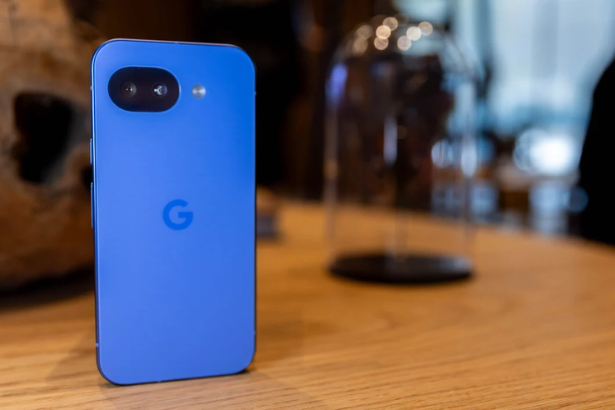
Google positions its latest A-series phone as an AI-powered midrange contender with flat design, 7-year update promise, and unchanged pricing despite memory crisis
Introduction
Pixel 10a is trending after Google officially unveiled its $499 midrange smartphone on Wednesday, February 18, 2026, positioning the device as a powerful AI-driven alternative just days before Apple is expected to reveal its next iPhone. The timing, pricing, and feature set signal a calculated move by Google to dominate the upper midrange market while Apple’s attention is elsewhere.
Preorders opened immediately following the announcement, with shipments beginning March 5. The device launches at the same $499 starting price as its predecessor, the Pixel 9a, despite an ongoing memory chip shortage that has pushed prices higher across the industry.
The Pixel 10a runs on the same Tensor G4 chip as last year’s Pixel 9a, features a completely flat design with no camera bump, and ships with Android 16 preinstalled alongside a seven-year software update guarantee.
Background and Context
Google has steadily refined its A-series Pixel strategy over the past several years. The A-series devices traditionally bring flagship-level camera performance and core AI features to a lower price point, undercutting premium models by $300 to $500 while retaining much of what makes Pixel phones distinct: computational photography, clean Android software, and aggressive AI integration.
The Pixel 10a follows the success of previous budget-friendly Pixel models that emphasized camera quality over raw spec-sheet performance. With smartphone upgrade cycles lengthening — consumers now hold onto devices for an average of three years — Google is leaning heavily into AI differentiation and software longevity rather than annual hardware revolutions.
The launch comes amid an industrywide memory chip crisis driven by surging demand from AI firms. That shortage is expected to push smartphone prices higher throughout 2026, particularly in the midrange tier where profit margins are already thin. Google’s decision to hold the Pixel 10a at $499 — the same price as the Pixel 9a — positions the device as a value anchor in a market that may see competing models rise in cost.
According to Bloomberg, Google announced the Pixel 10a just ahead of Apple’s anticipated reveal of the iPhone 17e, widely expected to cost $599. That $100 price gap, combined with Google’s software update guarantee, creates a clear value proposition for budget-conscious buyers.
Latest Update or News Breakdown
Google provided an official blog post, promotional video, and early hands-on access to the Pixel 10a on Wednesday. Here is what is confirmed based on reporting from TechCrunch, Bloomberg, 9to5Google, Droid-Life, BGR, PhoneArena, CNN, and Chrome Unboxed:
Pricing and Availability:
- $499 for 128GB with 8GB RAM
- $599 for 256GB with 12GB RAM
- Preorders open now at the Google Store, Amazon, Best Buy, and major carriers
- Shipments begin March 5, 2026
- Preorder bonus: $100 Google Store credit OR free Pixel Buds 2a (unlocked purchases)
- Trade-in offers as low as $49 with eligible device
Design:
- Completely flat back — camera bar flush with rear glass, no wobble when placed on table
- Gorilla Glass 7i front, aluminum frame, plastic rear panel
- IP68 dust and water resistance
- Colors: Lavender, Berry (red), Fog (light green), Obsidian (black)
- Sustainability: Most recycled materials in any A-series Pixel — first time using recycled cobalt, copper, gold, and tungsten
Display:
- 6.3-inch pOLED Actua display
- 60-120Hz adaptive refresh rate
- 11% brighter than Pixel 9a — 3,000 nits peak brightness, 2,000 nits HDR brightness
Performance:
- Tensor G4 chip (same as Pixel 9a — not the newer Tensor G5 found in Pixel 10/10 Pro)
- 8GB RAM (128GB model) / 12GB RAM (256GB model)
- Android 16 preinstalled
- 7 years of OS and security updates — supported through 2033
Camera:
- 48MP main camera (f/1.7, 1/2-inch sensor, Quad PD Dual Pixel, OIS + EIS)
- 13MP ultrawide
- Same camera hardware as Pixel 9a — no sensor upgrade
- Software features: Auto Best Take, Camera Coach, Add Me (now supports large groups), Magic Eraser, Photo Unblur
Battery and Charging:
- 5,100 mAh battery
- 30+ hours of battery life, 120 hours with Extreme Battery Saver
- 45W fast charging (upgraded from Pixel 9a’s 30W)
What’s Missing:
- No PixelSnap — Google’s magnetic Qi charging system (present on Pixel 10/10 Pro) is not included
- No Magic Cue or Pixel Screenshots — advanced AI features that require Tensor G5 + more RAM
Ecosystem:
- Pixel Buds 2a launched in two new colors — Berry and Fog — to match Pixel 10a
- Quick Share / AirDrop interoperability — share files easily with iPhone users
Wired described the Pixel 10a as looking “pretty familiar,” and Droid-Life called it a “Pixel 9.5a,” noting that the upgrades are minimal beyond the flat design and faster charging. Bloomberg’s Chris Welch emphasized the strategic timing: “Google introduced its latest entry-level Pixel smartphone, hoping that new AI software capabilities, minor hardware refinements and an unchanged $499 price can make up for an otherwise iterative update.”
Expert Insights or Analysis
Iterative, Not Revolutionary
The Pixel 10a is not a major leap forward. It uses last year’s chip. The camera hardware is identical to the Pixel 9a. The display is slightly brighter, and the charging is faster, but most of the meaningful upgrades are in software — features that could theoretically be pushed to the Pixel 9a via update.
That is intentional. Google is betting that most consumers do not care about spec-sheet comparisons. They care about price, software experience, camera quality, and battery life. The Pixel 10a delivers on all four while holding the line on cost during an industrywide price hike cycle.
AI as Differentiation
Google continues positioning AI as the primary upgrade narrative. Marketing emphasizes Gemini integration, camera coaching tools, and voice assistant capabilities over processor cores or RAM size. That framing works when the competition is pricing phones at $600 to $1,000. It becomes harder to justify when the Pixel 9a is still available and frequently discounted.
Amazon currently lists the Pixel 9a at $418. That is an $81 discount from its original $499 launch price. Unless the flat design and 45W charging matter to a buyer, the Pixel 9a may be the better value.
Holding the Line on Pricing
The memory chip crisis is real. AI firms are consuming RAM and storage components at unprecedented rates, driving up costs for smartphone manufacturers. Most analysts expected the Pixel 10a to launch at $549 or $599 to offset those increases. Google absorbed the cost instead.
That decision is strategic. By keeping the Pixel 10a at $499, Google maintains its value positioning against Apple’s expected $599 iPhone 17e and Samsung’s midrange Galaxy A-series, which are rumored to see price increases this year.
Broader Implications
For the Smartphone Market
The Pixel 10a reinforces the idea that the midrange tier is the new battleground. Consumers are increasingly unwilling to pay $1,000+ for flagship devices when AI-powered features and flagship cameras now trickle down to $500 phones within a year.
Google’s seven-year update guarantee is particularly aggressive. It matches what Apple offers on iPhones and exceeds what most Android manufacturers provide. That longevity promise makes the Pixel 10a more cost-effective over time, even if the upfront hardware specs lag slightly behind competitors.
For Apple Competition
Launching days before Apple’s anticipated iPhone reveal allows Google to capture attention cycles and search interest first. If the iPhone 17e launches at $599 as expected, the Pixel 10a will have a built-in $100 price advantage before reviewers even start comparing performance.
Apple still holds overwhelming market dominance in the U.S., but Google’s Pixel line has been steadily gaining share in the unlocked phone market. The 10a’s combination of pricing, AI features, and update longevity could convert iPhone users looking to switch or Android users who have been waiting for the right value proposition.
For AI in Consumer Devices
Google continues pushing AI as the defining smartphone feature. Rather than focusing on megapixels, processor cores, or display resolution, marketing now emphasizes real-world automation, editing tools, and assistant integration. That shift is working. Consumers increasingly care about what the phone can do — not what chip it runs on.
Related History or Comparable Devices
Previous Pixel A-series phones successfully delivered flagship cameras at lower price tiers. The Pixel 6a, 7a, 8a, and 9a all followed the same playbook: undercut premium models by $300 to $500, keep the camera software identical to flagship Pixels, and rely on computational photography to close the hardware gap.
That strategy mirrors earlier competitive cycles where companies like OnePlus and Xiaomi used midrange pricing to gain market share before pushing into premium categories. Google’s approach remains consistent: prioritize camera excellence, clean Android software, and AI-first branding over experimental hardware risk.
The Pixel 10a’s flat design is notable. Google spent years building the “camera bar” into a signature design element. Now they have flattened it entirely. 9to5Google’s hands-on noted: “This entirely flat phone makes for a nice physical object and form. It’s clean and feels like you’re just holding a screen.”
What Happens Next
Preorders opened Wednesday and shipments begin March 5. Industry watchers will monitor several key metrics:
- Early sales performance — will Pixel 10a outsell Pixel 9a at launch?
- Trade-in program uptake — Google is offering aggressive trade-in values
- Carrier partnerships — availability through Verizon, AT&T, T-Mobile
- Comparative reviews versus Apple’s iPhone 17e once that device officially debuts
If Pixel 10a reviews highlight strong battery life, reliable camera performance, and smooth Android 16 software at $499, Google could significantly expand its share in the U.S. unlocked phone market. The seven-year update guarantee is a major selling point that differentiates Pixel from most Android competitors.
The next major milestone will be direct performance comparisons against Apple’s newly announced iPhone once that device officially launches — likely within the next week.
Conclusion
Pixel 10a represents Google’s clearest statement yet that AI, not hardware redesign, defines the future of midrange smartphones. Priced at $499, shipping March 5, and launched strategically ahead of Apple’s expected announcement, the device aims to capture both attention and value-conscious buyers in a market increasingly skeptical of four-figure flagship prices.
The upgrades are iterative. The chip is last year’s. The camera hardware is unchanged. But the software is polished, the design is refined, and the update guarantee is aggressive. In an era where smartphone innovation feels incremental across the industry, Google is betting that integrated AI experiences, seven years of software support, and a $499 price tag will justify upgrades and differentiate its ecosystem from competitors.
For most consumers, that bet will probably pay off.
FAQ
Q1: How much does the Pixel 10a cost? The Pixel 10a starts at $499 for the 128GB model with 8GB RAM. The 256GB model with 12GB RAM costs $599. Preorders are open now, with shipments beginning March 5, 2026.
Q2: When was Pixel 10a announced? Google announced the Pixel 10a on Wednesday, February 18, 2026. Preorders opened immediately, and the device ships to customers starting March 5.
Q3: What makes Pixel 10a different from Pixel 9a? The Pixel 10a features a completely flat design (no camera bump), 45W fast charging (up from 30W), a slightly brighter display, and Android 16 preinstalled. However, it uses the same Tensor G4 chip and the same camera hardware as the Pixel 9a.
Q4: Is Pixel 10a competing with the iPhone? Yes. Google announced the Pixel 10a days before Apple’s expected reveal of the iPhone 17e, which is rumored to cost $599. The $100 price gap gives Google a clear value advantage.
Q5: Is Pixel 10a a flagship phone? No. It is a midrange device positioned below Google’s premium Pixel 10, Pixel 10 Pro, and Pixel 10 Pro Fold. However, it shares many AI features and the same camera software as Google’s flagship models.
Sources and References
Wired: Google Pixel 10a first look coverage
Google Official Blog: Google Pixel 10a announcement
Bloomberg: Google announces $499 Pixel 10a just before expected iPhone 17e reveal