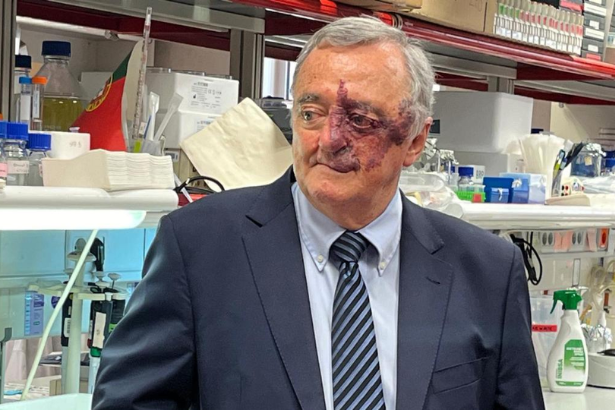
New drug combinations and genetic targeting eliminate pancreatic tumors in animals, igniting global debate over how close medicine is to a real cure.
Introduction
Pancreatic cancer cure searches are surging worldwide after multiple research teams reported dramatic success eliminating pancreatic tumors in laboratory mice, triggering headlines that suggest a major medical breakthrough may finally be within reach.
Why Pancreatic Cancer Is So Deadly
Pancreatic cancer remains one of the deadliest cancers in modern medicine. Five-year survival rates remain in the single digits, largely because tumors are resistant to treatment and typically diagnosed at an advanced stage.
Standard therapies such as chemotherapy and radiation often fail as pancreatic tumors rapidly adapt and develop resistance. This biological resilience has frustrated oncologists for decades and made pancreatic cancer a top priority for experimental drug research.
Recent advances in molecular biology, however, are changing the equation. Instead of attacking tumors with single drugs, researchers are now targeting multiple survival pathways at once.
Three Major Breakthroughs Driving the Headlines
1. Drug Trio Blocks Tumor Resistance
Researchers reported that a three-drug combination successfully blocked pancreatic tumors from developing resistance, a common reason treatments fail. The therapy disrupted multiple cellular escape mechanisms at once, preventing tumors from adapting and regrowing.
This finding suggests pancreatic cancer may be vulnerable when attacked from several biological angles simultaneously, according to Drug Target Review.
2. Tumors Completely Eliminated in Mice
Scientists at Spain’s Centro Nacional de Investigaciones Oncológicas reported something unprecedented. Their experimental approach completely eliminated pancreatic tumors in mice, with no resistance developing over time.
Even more striking, tumors did not return after treatment stopped, a milestone rarely achieved in pancreatic cancer models.
3. Global Media Declares a “Cure”
International media amplified the findings, with headlines claiming a “pancreatic cancer cure,” the Times of India reports. While attention-grabbing, scientists caution that mouse models do not automatically translate to human success.
What Scientists Are Actually Saying
Cancer researchers emphasize that eliminating tumors in mice is a critical but early step, not a clinical cure. Mouse biology differs significantly from humans, particularly in immune response, metabolism, and long-term toxicity tolerance.
What makes this research notable is not just tumor elimination, but the absence of drug resistance, the single greatest obstacle in pancreatic cancer treatment.
Experts say the strategy validates a growing belief in oncology: combination therapies targeting multiple survival pathways simultaneously may outperform single-drug approaches that tumors easily outmaneuver.
What This Means for Medicine and Patients
For Cancer Research
If these results translate to humans, pancreatic cancer treatment could shift from tumor suppression to potential eradication in select patients.
For Drug Development
Pharmaceutical companies may accelerate multi-target oncology pipelines, focusing less on monotherapies and more on precision drug stacks.
For Patients and Families
While not a cure yet, the research offers something pancreatic cancer has rarely had: credible scientific optimism grounded in reproducible data.
For Policy and Funding
Breakthroughs like this strengthen the case for increased funding into high-risk, high-reward cancer research programs.
How This Compares to Past Cancer Breakthroughs
Other aggressive cancers, such as certain leukemias, once considered untreatable, became manageable or curable only after combination drug therapies were perfected.
HIV followed a similar trajectory. Single drugs failed, but multi-drug regimens transformed outcomes.
Pancreatic cancer may now be entering a similar scientific phase.
What Happens Next
The next steps are critical and time-consuming: expanded safety testing, Phase 1 human clinical trials, dosage optimization, and long-term toxicity studies.
Even under accelerated conditions, human trials will take several years. Researchers caution against premature celebration but acknowledge the data is unusually strong for pancreatic cancer research.
Why This Matters
The recent surge in pancreatic cancer cure headlines reflects real scientific progress, not hype alone. While no human cure exists yet, eliminating pancreatic tumors in mice without resistance represents one of the most promising breakthroughs the field has ever seen.
For patients, families, and clinicians, this research marks a turning point from stagnation to momentum. The science is finally catching up to one of medicine’s most formidable enemies.
FAQ
Is pancreatic cancer cured now?
No. These results are from animal studies, not human trials.
Why is this research important?
It eliminates tumors without resistance, a major barrier in pancreatic cancer treatment.
How soon could this reach patients?
Human trials will likely take several years.
Are combination therapies the future of cancer treatment?
Many experts believe multi-drug strategies are essential for aggressive cancers.
Should patients change treatment plans now?
No. Patients should follow current medical guidance and consult their oncologists.