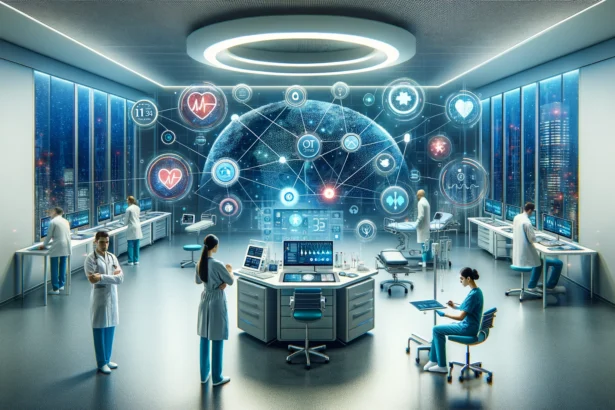
The Internet of Things (IoT) has revolutionized various industries, and healthcare is no exception. Smart devices equipped with sensors, connectivity, and advanced data processing capabilities are changing the way patients are monitored, diagnosed, and treated. This transformation is not just about adopting gadgets; it’s about enhancing patient experiences, improving outcomes, and streamlining healthcare operations.
The IoT Revolution in Healthcare
The Internet of Things (IoT) has revolutionized various industries, and healthcare is no exception. Smart devices equipped with sensors, connectivity, and advanced data processing capabilities are changing the way patients are monitored, diagnosed, and treated. This transformation is not just about adopting gadgets; it’s about enhancing patient experiences, improving outcomes, and streamlining healthcare operations.
Remote Patient Monitoring
One of the most significant contributions of IoT in healthcare is remote patient monitoring. Patients no longer need to be confined to a hospital bed for continuous observation. Smart wearables, such as fitness trackers and wearable medical devices, can monitor vital signs and send real-time data to healthcare providers. This not only allows for early intervention but also reduces the burden on healthcare facilities.
Enhanced Medication Management
IoT-powered smart pill dispensers and medication tracking apps are making it easier for patients to adhere to medication schedules. These devices provide reminders, dispense the right dose, and even alert healthcare providers if patients miss their medications. Improved medication management is crucial for chronic disease management and overall patient health.
IoT-Enabled Telemedicine
Telemedicine has gained immense popularity, especially in recent times. IoT technology plays a pivotal role in enabling remote consultations and virtual check-ins. Patients can connect with healthcare professionals through video calls, share health data collected by smart devices, and receive real-time advice. It’s convenient, efficient, and, most importantly, accessible.
Data-Driven Healthcare Decisions
The massive amount of data generated by IoT devices in healthcare is a treasure trove of insights. Marketers can work with healthcare institutions to harness this data for research, personalized patient experiences, and improving healthcare processes. Analytics and machine learning can help identify trends, predict health issues, and optimize resource allocation.
Security and Privacy Considerations
As we embrace IoT in healthcare, we must not overlook security and privacy concerns. Protecting patient data and ensuring the security of connected devices are paramount. Tech marketers can contribute by promoting secure IoT solutions and educating healthcare providers on best practices for data protection.
The Road Ahead
IoT in healthcare is still in its infancy, and the road ahead is promising. The marriage of technology and healthcare has the potential to bring about unparalleled advancements in patient care. As tech marketers, it’s our responsibility to foster awareness, advocate for ethical practices, and collaborate with the healthcare industry to make IoT-driven healthcare a reality for all.
IOT in healthcare is not just a buzzword; it’s a transformative force that’s reshaping patient care. By championing the adoption of smart devices, promoting data-driven solutions, and advocating for patient privacy, we can ensure that the healthcare industry continues to evolve in a way that benefits both patients and providers.
So, let’s embrace this exciting journey where technology meets healthcare, and together, we can make a difference in the lives of countless patients.
FAQ’s
1. What is IoT in Healthcare?
IoT in Healthcare refers to the application of the Internet of Things technology in the medical field. It involves the use of connected devices equipped with sensors, software, and other technologies to collect, transmit, and analyze data for various health-related purposes. These devices can range from wearable fitness trackers to more sophisticated medical monitoring equipment, all aimed at enhancing patient care, improving health outcomes, and optimizing healthcare operations.
2. How Does Remote Patient Monitoring Work?
Remote Patient Monitoring (RPM) utilizes digital technologies to monitor and capture medical and health data from patients and electronically transmit this information to healthcare providers for assessment and recommendations. RPM devices can include blood pressure cuffs, glucose monitors, and heart rate sensors. This approach allows for continuous monitoring of patients outside traditional clinical settings, enhancing patient engagement and enabling early intervention when necessary.
3. What Are the Benefits of IoT in Healthcare?
The benefits of IoT in healthcare are manifold:
- Improved Patient Outcomes: Continuous monitoring can lead to early detection of potential health issues, allowing for prompt intervention.
- Increased Efficiency: Automating routine tasks and data collection reduces the burden on healthcare professionals and facilities.
- Enhanced Patient Experience: Patients enjoy greater autonomy and involvement in their healthcare journey, with convenience and reduced need for hospital visits.
- Data-Driven Insights: The vast amount of data generated can be analyzed to personalize patient care, streamline operations, and inform public health decisions.
4. What Challenges Does IoT in Healthcare Face?
While IoT in healthcare offers significant benefits, it also faces several challenges:
- Data Security and Privacy: Ensuring the confidentiality, integrity, and availability of patient data is a major concern.
- Interoperability: The ability of different IoT systems and devices to work together seamlessly remains a hurdle.
- Regulatory Compliance: Adhering to health data regulations and standards is crucial.
- Cost and Accessibility: The cost of IoT devices and technologies may be prohibitive for some patients and healthcare providers, potentially limiting accessibility.
Visit Us At :THE TECH MARKETER || MARKET WAVEGEN