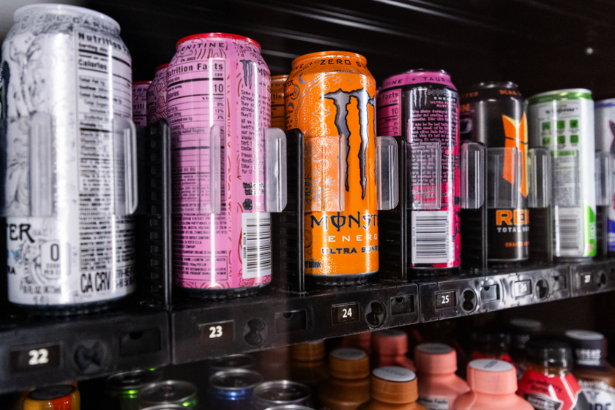
If you’ve grabbed an energy drink to power through a long work shift or late-night study session, you’re not alone. Millions of Americans reach for these brightly colored cans daily, banking on their promise of instant alertness and focus. But a troubling pattern is emerging from emergency rooms across the country—one that’s forcing us to take a hard look at what we’re actually putting into our bodies.
Energy drinks and stroke risk have become urgent topics of conversation after several alarming medical cases made headlines. We’re not talking about elderly patients with pre-existing conditions. These are young, seemingly healthy people whose lives changed dramatically after consuming what they thought was just another beverage.
When Your Go-To Energy Boost Becomes a Medical Emergency
Let me paint you a picture of what’s been happening.
A man in his prime—active, no major health issues, the kind of guy who seemed invincible—started his days with energy drinks. Not just one, but several throughout the day to keep up with demanding work hours. Then came the stroke. The permanent neurological damage. The bewildered doctors trying to explain to his family how someone so healthy could end up in this condition.
His story isn’t unique. A fit adult with no obvious risk factors suddenly collapsed with stroke symptoms. Physicians scrambled to find an explanation. When they dug into his habits, the pattern became clear: heavy energy drink consumption was the common thread.
These aren’t just statistics in a medical journal. These are real people whose lives were upended, families thrown into crisis, all connected to beverages marketed as harmless productivity boosters.
The Perfect Storm in a Can: Understanding Energy Drinks and Stroke Risk
Here’s what makes energy drinks particularly concerning: it’s not just about caffeine anymore. Sure, the caffeine content alone can be staggering—some cans pack as much as three cups of strong coffee. But these drinks also contain taurine, guarana (which sneaks in even more caffeine that isn’t always counted on the label), ginseng, B-vitamins, and proprietary “energy blends” that sound impressive but remain poorly understood.
When you mix all these stimulants together and chug them quickly, your body goes into overdrive. Your blood pressure can spike within minutes. Your heart starts racing. Your blood vessels constrict. It’s like revving a car engine to the red line—you might get where you’re going faster, but you’re also risking serious damage.
Doctors reviewing these recent cases have identified several alarming mechanisms at play. The massive caffeine hit causes acute hypertensive spikes—your blood pressure shoots up suddenly and dramatically. Over time, repeated exposure damages the delicate lining of your blood vessels, making them less responsive and more prone to forming clots. Your heart rhythm can become irregular, disrupting normal blood flow to your brain.
And here’s the kicker: guarana, that exotic ingredient that sounds so natural and harmless? It contains additional caffeine that often flies under the radar of label disclosures. You might think you’re consuming 200 mg of caffeine when you’re actually getting significantly more.
Why This Hits Different Than Your Morning Coffee
You might be thinking, “But I drink coffee every day and I’m fine.” Fair point. The difference lies in how we consume these beverages and what else is packed inside them.
When you sip a cup of coffee over 20 minutes during breakfast, your body gradually processes the caffeine. Your blood pressure might rise slightly, but it’s manageable. Energy drinks, on the other hand, are often chugged quickly—sometimes multiple cans in succession. That sudden flood of stimulants overwhelms your system in ways that moderate coffee consumption typically doesn’t.
Plus, coffee doesn’t come loaded with the same cocktail of additional stimulants. It’s simpler, more straightforward. Your body knows how to handle it because humans have been drinking coffee for centuries.
The Lifestyle Trap We’ve Walked Into
Energy drinks have become woven into the fabric of modern life. Students pull all-nighters fueled by can after can. Shift workers rely on them to stay alert during grueling hours. Athletes down them before workouts, convinced they’ll boost performance. Gamers keep them within arm’s reach during marathon sessions.
The marketing is slick and appealing, positioning these drinks as tools for peak performance, mental clarity, and pushing past your limits. What the ads don’t show? The potential trip to the emergency room. The CT scan revealing a stroke. The long road to recovery—if recovery is even possible.
Social media influencers promote “clean energy” brands as if the right formulation somehow negates the risks. Meanwhile, younger and younger consumers are adopting energy drinks as daily essentials, not understanding that what seems normal to their generation might be setting them up for serious health problems down the line.
What the Medical Community Is Seeing
Physicians are increasingly concerned about patterns they’re observing. It’s not just isolated incidents anymore—it’s a trend. Emergency rooms are treating patients with cardiovascular emergencies who have one clear commonality: recent heavy energy drink consumption.
The research backs up these clinical observations. Large studies have found potential connections between energy drinks and arrhythmia, heart disease, and stroke. The precise mechanisms are still being untangled, but the evidence is mounting that these beverages pose risks we’re only beginning to understand.
What worries doctors most is how sudden these events can be. Someone might seem perfectly healthy one moment, then experience a life-threatening cardiovascular event the next. There’s often no warning, no chance to course-correct before serious damage occurs.
The Regulatory Gap That’s Putting People at Risk
Here’s something that might surprise you: in the United States, there are virtually no federal restrictions on energy drink sales. A 12-year-old can walk into a convenience store and buy as many high-caffeine beverages as they want. No questions asked. No parental permission required.
Contrast this with countries like Lithuania and Latvia, which have banned energy drink sales to minors. They’ve recognized that developing bodies are particularly vulnerable to these stimulant loads and have acted accordingly.
Why hasn’t the U.S. followed suit? The answer involves complex regulatory frameworks, industry lobbying, and the American cultural attachment to consumer choice. But as case reports pile up, pressure is building for change. We’ve seen similar battles over ephedra, high-caffeine pre-workout supplements, and diet pills—products that reached mass popularity before we fully understood their dangers.
Reading Between the Lines on Labels
If you do choose to consume energy drinks, understanding what you’re actually getting is crucial. The problem? Labels can be misleading or incomplete.
That “proprietary energy blend” sounds scientific and carefully formulated, but it might just be a way to avoid disclosing exact stimulant quantities. Guarana content isn’t always converted into its caffeine equivalent. Serving sizes might be listed as half a can, making the actual caffeine content appear lower than what you’re consuming if you drink the whole thing.
Most health authorities recommend limiting caffeine intake to about 400 mg per day for adults. Some energy drinks pack 300 mg into a single can. Drink two, and you’ve blown past that limit—and that’s before accounting for any coffee, tea, or other caffeinated products you might consume.
Warning Signs You Shouldn’t Ignore
Your body will tell you when something’s wrong—if you’re paying attention. After consuming energy drinks, watch for these red flags that warrant immediate medical attention:
Chest pain or tightness that doesn’t go away. An irregular or racing heartbeat that feels abnormal, not just from normal exercise. Sudden, severe headaches unlike anything you’ve experienced before. Dizziness or feeling like you might pass out. Weakness on one side of your body or sudden difficulty speaking. Extreme anxiety or sense of impending doom.
These aren’t symptoms to “wait out” or dismiss as just being jittery from too much caffeine. They could signal a serious cardiovascular or cerebrovascular event in progress.
Where Technology Meets Health Monitoring
There’s an interesting development on the horizon. As fitness trackers and smartwatches become more sophisticated, they’re getting better at detecting abnormal cardiovascular responses in real-time. Imagine your Apple Watch alerting you that your blood pressure has spiked dangerously or that your heart rhythm has become irregular—right after you finished that energy drink.
This kind of immediate biometric feedback could transform how we understand our individual responses to stimulants. What’s safe for one person might be dangerous for another, and wearable technology might help us identify our personal thresholds before we cross them.
Health apps could potentially integrate warnings about stimulant intake, flagging when you’ve consumed multiple caffeinated products in a short window. It’s not science fiction—the technology exists now and is only getting more refined.
What Needs to Happen Next
The path forward requires action on multiple fronts. We need more rigorous clinical research quantifying stroke and heart disease risks across different age groups and consumption patterns. The current evidence is concerning, but more data will help us understand exactly who is most vulnerable and at what thresholds.
Regulatory discussions about maximum caffeine content per serving need to accelerate. Should a single beverage really be allowed to contain 300+ mg of caffeine? Should there be limits on combined stimulant loads, not just individual ingredients?
Labeling reform is essential. Consumers deserve to know the total stimulant content they’re consuming, including all sources of caffeine, clearly displayed in plain language. The fine print and serving size games need to end.
And perhaps most importantly, we need honest public health messaging. Not fear-mongering, but straightforward information about what these products do to your body and what the risks actually are. People can make their own choices—they just deserve to make informed ones.
Making Sense of the Mixed Messages
It’s confusing out there. Influencers promote energy drinks as lifestyle essentials. Athletes endorse them. Your coworkers swear by them. Meanwhile, doctors are warning about strokes and heart attacks.
The truth, as usual, lies somewhere in the nuanced middle. Energy drinks aren’t poison—most people who consume them won’t experience catastrophic health events. But they’re also not the benign productivity tools they’re marketed as. They carry real risks, especially when consumed in large quantities, frequently, or by people who don’t realize they might be vulnerable.
The cases making headlines now serve as stark reminders that “healthy” doesn’t mean invincible. A clean bill of health and regular gym visits don’t necessarily protect you from the acute cardiovascular stress that massive stimulant loads can cause.
Your Move
If you’re a regular energy drink consumer, you don’t necessarily need to quit cold turkey. But you should ask yourself some honest questions. How many are you drinking? How quickly are you consuming them? Are you experiencing any concerning symptoms—even mild ones you’ve been brushing off?
Consider alternatives for sustained energy that don’t come with cardiovascular risks. Adequate sleep (I know, easier said than done). Regular exercise. Proper hydration. Balanced nutrition. These aren’t as exciting as cracking open a can that promises immediate results, but they’re a lot less likely to land you in the ER.
If you’re a parent, have frank conversations with your kids about these products. Don’t just forbid them—explain why they’re concerning. Teenagers are going to make their own choices eventually, but arming them with real information gives them the tools to choose wisely.
The energy drink phenomenon reflects something deeper about modern life—our chronic exhaustion, our productivity obsession, our willingness to chemically override our body’s signals. Maybe the real conversation we need to have isn’t just about beverages, but about the lifestyle factors that make them feel necessary in the first place.
For now, though, the message from the medical community is clear: proceed with extreme caution. Your body is trying to keep you alive and functioning for the long haul. Don’t sacrifice that for a few hours of artificial alertness.
Understanding the connection between energy drinks and stroke risk isn’t about creating panic—it’s about making informed choices that protect your long-term health.
Energy Drinks and Stroke Risk: Your Most Common Questions Answered
Will drinking energy drinks definitely cause a stroke?
No, not in most cases. The vast majority of people who consume energy drinks won’t experience a stroke. However, excessive consumption—especially multiple cans daily or binge drinking them—can create conditions that significantly increase risk in susceptible individuals. Think of it like this: energy drinks don’t guarantee a stroke, but they stack the odds against you in ways that aren’t immediately obvious.
How much caffeine crosses the line from safe to dangerous?
Most health experts put the adult safety threshold around 400 mg of caffeine per day—roughly four cups of coffee. But here’s the catch: energy drinks often deliver that caffeine in concentrated bursts alongside other stimulants, which changes how your body responds. A single 16 oz energy drink can contain 200-300 mg of caffeine, meaning two cans could exceed safe limits. And that’s assuming the label accurately reflects all caffeine sources, which isn’t always the case with ingredients like guarana.
Are some brands safer than others, or are they all basically the same?
There’s significant variation in formulations. Some contain moderate caffeine with minimal additives, while others pack extreme stimulant loads with taurine, guarana, ginseng, and proprietary blends. The “clean energy” or “natural” branding doesn’t automatically make a product safer—natural ingredients can still cause serious cardiovascular stress. Your best bet is reading labels carefully and avoiding products with combined stimulant totals above 200 mg per serving.
Should younger people be more concerned about these risks?
Yes, absolutely. Adolescent and young adult bodies are still developing, and their cardiovascular systems may be more reactive to stimulant loads. There’s also a behavioral component—younger consumers are more likely to engage in risky patterns like mixing energy drinks with alcohol, consuming multiple cans in short periods, or drinking them before intense physical activity. Medical professionals are increasingly vocal about keeping these products away from minors.
What symptoms mean I should get medical help right away?
Don’t gamble with concerning symptoms. Seek immediate medical attention if you experience chest pain or pressure, irregular heartbeat or heart palpitations that won’t stop, sudden severe headache, dizziness or feeling faint, numbness or weakness (especially on one side), trouble speaking or understanding speech, or severe anxiety accompanied by physical symptoms. These could signal a cardiovascular emergency in progress, and every minute counts when it comes to stroke or heart attack treatment.
Sources: Recent reporting from CNN on stroke cases linked to energy drink consumption, People Magazine coverage of unexplained stroke incidents in healthy individuals, and The Guardian’s analysis of emerging research on cardiovascular risk. Learn more about healthy caffeine alternatives or read our guide on understanding heart health in your 30s.