


Introduction
The news that Dolly Parton dies at 80 marks the end of one of the most extraordinary careers in American entertainment. Parton, the country singer, songwriter, actor, entrepreneur and philanthropist whose influence stretched far beyond music, died Tuesday in Nashville at age 80 after a brief battle with cancer, according to a statement from her representative. The type of cancer was not disclosed.
Her death closes a career that lasted more than six decades and produced some of the most recognisable songs in popular music, including “Jolene,” “9 to 5,” “Coat of Many Colors” and “I Will Always Love You.” But reducing Parton’s legacy to a list of hits misses what made her unusual.
She built an identity that could move effortlessly between country music, Hollywood, business, television, fashion and philanthropy. She could be glamorous without apologising for it, commercially successful without losing her connection to her Appalachian roots, and politically difficult to categorise while remaining broadly beloved.
Now, as fans and fellow artists remember her, the bigger story is not simply how Dolly Parton died. It is what she built during the 80 years before that final chapter.
Background and Context
Dolly Parton was born on January 19, 1946, in Tennessee, the fourth of 12 children in a family that grew up in poverty. Her childhood in the Great Smoky Mountains became one of the defining sources of her songwriting.
Parton repeatedly transformed those early experiences into songs about family, hardship, ambition and dignity. “Coat of Many Colors,” for example, drew directly from her childhood and her mother’s efforts to make clothing from scraps of fabric.
Music became an escape and eventually a profession.
She began performing publicly while still a child, appeared on local television and made her Grand Ole Opry debut at 13. Her career accelerated after she moved to Nashville and began working professionally as a songwriter and performer.
Her songwriting ability eventually became the foundation of everything that followed.
Parton wrote hundreds of songs and created compositions that became standards far beyond country music. “I Will Always Love You” became an enormous crossover hit for Whitney Houston decades after Parton first recorded it, demonstrating how her songwriting could survive entirely different musical eras.
Reuters reported that Parton sold more than 100 million records and earned 11 Grammy Awards, including a Lifetime Achievement Award. She was also inducted into both the Songwriters Hall of Fame and Rock & Roll Hall of Fame.
That combination of longevity and cultural reach is extremely rare.
Latest Update: Dolly Parton Dies at 80 After Brief Cancer Battle
Parton’s death was announced Tuesday through a video message from her nephew Bryan Seaver, who also served as her longtime head of security.
A subsequent statement from her representative confirmed that she had been facing a brief battle with cancer and died at Vanderbilt-Ingram Cancer Center in Nashville surrounded by loved ones.
The announcement initially generated widespread questions about her health because Parton had remained publicly active and had continued discussing future projects.
The precise type of cancer has not been publicly disclosed in the sources available for this article. That distinction matters. Numerous online searches began asking what kind of cancer Parton had, but there is currently no authoritative basis for naming a specific cancer diagnosis.
Her death came after a period in which she had acknowledged health challenges.
In May 2026, Parton cancelled a planned Las Vegas residency, citing health issues. Her recent public comments suggested that she still hoped to work and pursue creative projects despite those difficulties.
That makes the timing of her death particularly poignant. Parton had spent much of her career presenting herself as someone who simply kept going.
Even in her later years, retirement never seemed to fit her personality.
Dolly Parton’s Final Chapter Was Still About Work
One of the most striking aspects of Parton’s final years was how little she seemed interested in slowing down.
She continued recording, writing, producing and developing new projects well into her 70s and 80s. Her most recent studio album, Run, Rose, Run, arrived in 2022 alongside a novel written with James Patterson.
She was also involved in the development of a Broadway musical based on her life and music.
That work ethic was consistent with the philosophy she had demonstrated throughout her career.
Parton understood that fame could disappear quickly. Her solution was to keep creating.
Rather than becoming a nostalgia act, she repeatedly found ways to introduce herself to younger generations. Her songs were covered, sampled and rediscovered. Her fashion became an internet phenomenon. Her films remained part of popular culture. Her business ventures continued to grow.
The result was something unusual: Dolly Parton became both a legacy artist and a contemporary cultural figure.
Expert Insights and Analysis
Dolly Parton’s Greatest Achievement May Be Her Ability to Cross Boundaries
Parton’s career cannot be neatly contained inside country music.
She was a singer who became an actor.
An actor who became a producer.
A songwriter who became an entrepreneur.
An entrepreneur who became a major philanthropist.
And a celebrity whose personal brand became almost as recognisable as her music.
Reuters described her as a singer, songwriter and actress whose career also included substantial business and philanthropic achievements.
That versatility explains why her death has produced reactions from so many different corners of culture.
Country musicians remember the songwriter.
Hollywood remembers the actor.
Business communities remember the entrepreneur.
Parents remember the books distributed through her literacy programme.
And generations of listeners remember the songs.
Few entertainers have built that many independent connections with the public.
Her Songwriting Outlived the Original Recordings
Parton’s songwriting catalogue is arguably the most durable part of her artistic legacy.
“I Will Always Love You” is the obvious example.
Parton’s original version was already successful, but Whitney Houston’s 1992 recording transformed the composition into one of the biggest pop ballads of its era.
That distinction is important.
Parton did not merely create songs that were successful when she performed them. She created songs strong enough to become cultural objects in their own right.
“Jolene” has followed a similar path. Its central story of jealousy, vulnerability and emotional desperation remains instantly understandable decades after its release.
The simplicity of Parton’s songwriting was part of its power.
She could write about poverty without making the song feel like a lecture. She could write about romantic fear without making it abstract. She could write about work, family and ambition in language that felt conversational rather than academic.
That accessibility made her music unusually durable.
Her Fashion Was Never an Afterthought
The public conversation surrounding Parton’s death has also focused heavily on her distinctive visual identity.
That is not surprising.
Parton understood early that being a performer involved more than singing.
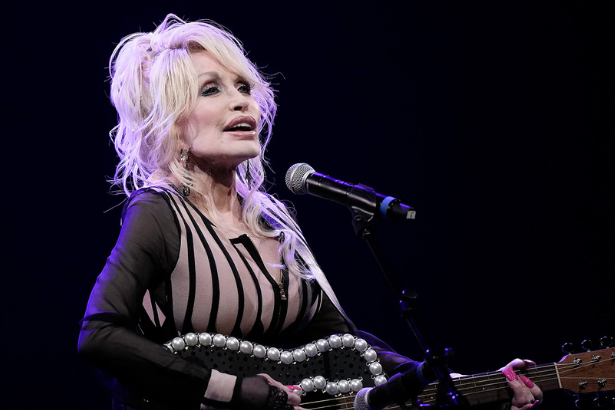
Her towering hair, rhinestones, bright colours, fitted silhouettes, exaggerated makeup and unapologetically glamorous presentation became inseparable from her public image.
CNN’s recent coverage of Parton’s fashion legacy highlights how her style evolved into something much larger than stage clothing. It became part of her cultural identity and eventually influenced younger generations of performers and fashion audiences. CNN’s Dolly Parton fashion legacy coverage
What made the style effective was that Parton appeared to understand exactly what people might say about it.
She did not attempt to minimise the artificiality.
She embraced it.
That confidence turned potential criticism into part of the performance.
Her image became a form of storytelling: larger than life, deliberately feminine, highly polished and unmistakably hers.
Broader Implications
The Death of a Music Icon Is Also the End of an Era
Parton’s death represents more than the loss of a successful recording artist.
She belonged to a generation of performers who could build careers before the internet, survive the transition to television and CDs, navigate the rise of streaming and remain culturally relevant in the social media era.
That is increasingly rare.
Today’s artists can become globally famous almost overnight, but maintaining cultural relevance for 50 or 60 years is an entirely different challenge.
Parton managed it.
Her career survived changing radio formats, shifting music tastes, new generations of performers and radical changes in the entertainment business.
Her Philanthropy May Become an Even Larger Part of Her Legacy
Parton’s philanthropic work has often received less attention than her music, despite its extraordinary scale.
Her Imagination Library became one of her signature initiatives, providing books to children from birth through age five.
The programme eventually distributed more than 150 million books, according to the Guardian’s retrospective on her life.
That is a remarkable number because it transforms philanthropy from a donation model into an infrastructure model.
Parton did not simply give money to literacy programmes.
She created a system that could repeatedly put books into the hands of children.
Her philanthropy also extended into medical research. She donated $1 million toward COVID-19 vaccine research, a contribution that was later associated with the development of the Moderna vaccine. Reuters cited her healthcare and literacy philanthropy as important parts of her legacy.
Dolly Parton Built a Brand Without Losing the Person Behind It
There is an important business lesson in Parton’s career.
Modern celebrity brands often feel manufactured.
Parton’s did not.
She turned her personality into a brand, but the brand remained rooted in stories about where she came from.
Her humour, accent, clothing, songwriting and public persona were consistent enough that people understood the character immediately.
But there was a second layer underneath the glitter.
Parton consistently presented herself as someone who knew exactly where she came from.
That authenticity allowed her to build businesses and partnerships without appearing detached from the audience that had supported her.
For The Tech Marketer’s broader coverage of entertainment, digital culture and celebrity-driven brands, an internal link could point readers to The Tech Marketer’s entertainment and media analysis at https://thetechmarketer.com/.
Related History and Comparable Icons
Dolly Parton’s career belongs to a broader history of entertainers who became cultural institutions.
Elvis Presley transformed himself from musician into a global symbol.
Frank Sinatra moved between music, film and business.
Cher reinvented herself repeatedly across music, television and fashion.
Madonna built an entire career around changing her visual and artistic identity.
Parton’s path was different.
She did not need to abandon her original identity to remain relevant.
Instead, she expanded it.
Country music remained at the centre, but she built outward from there.
Her film career included 9 to 5, Steel Magnolias and other major productions. Her business interests included Dollywood and related ventures. Her philanthropic efforts established a legacy independent of entertainment.
That breadth is what makes comparison difficult.
Dolly Parton was not simply a country star who became famous.
She became an institution.
Dolly Parton and the Power of Reinvention
The internet era could have easily reduced Parton to a nostalgia figure.
Instead, the opposite happened.
Younger audiences rediscovered her music.
Her fashion became a source of memes and admiration.
Her interviews circulated widely online.
Artists from different genres continued to reference her work.
Her relationship with younger performers, including her goddaughter Miley Cyrus, helped create another bridge between generations.
That is why the Google Trends spike around her death is significant.
Searches for terms such as “Dolly Parton cause of death,” “how did Dolly Parton die,” “Dolly Parton age” and “Dolly Parton husband” reflect not simply curiosity about breaking news but a renewed public attempt to understand the life of someone whose cultural presence had become almost permanent.
What Happens Next
The immediate aftermath of Parton’s death will likely focus on tributes, archival performances, retrospective documentaries and renewed interest in her catalogue.
Her music is expected to experience another wave of streaming and digital sales as listeners revisit the songs that defined her career.
The same pattern has followed the deaths of other major artists.
A death often introduces an artist to people who were not alive or old enough to experience the original cultural moment.
Parton’s catalogue is particularly well positioned for that kind of rediscovery because her songwriting has already demonstrated an ability to cross generations.
Her films will also return to the cultural conversation.
So will her fashion.
So will Dollywood.
And perhaps most importantly, so will the Imagination Library.
The next chapter of Dolly Parton’s legacy will therefore not be controlled entirely by the music industry.
It will be distributed across entertainment, publishing, tourism, philanthropy, fashion and popular culture.
That may ultimately be the clearest evidence of how large her career became.
Conclusion
The story of Dolly Parton dies at 80 is inevitably a story of loss, but it is also a story of extraordinary scale.
Parton grew up in poverty in Tennessee and became one of the world’s most recognisable entertainers. She wrote songs that became standards, acted in major films, built businesses, created Dollywood and established a literacy programme that put millions of books into children’s hands.
Her representative confirmed that she died after a brief battle with cancer, but the specific type of cancer has not been disclosed publicly.
That uncertainty should not distract from the larger story.
Dolly Parton spent her life making sure her work could outlive her.
Her songs will continue to be recorded.
Her films will continue to be watched.
Her fashion will continue to be referenced.
Her businesses will continue to operate.
And children will continue receiving books through a programme created in her name.
That is an unusually complete legacy.
Dolly Parton did not simply become famous.
She built something that could keep functioning after the fame itself was gone.
FAQ
1. Did Dolly Parton die at 80?
Yes. Dolly Parton died in Nashville on Tuesday, August 25, 2026, at age 80, according to her family and representatives.
2. What did Dolly Parton die from?
Parton’s representative said she died after a brief battle with cancer. The specific type of cancer has not been publicly disclosed in the authoritative sources reviewed for this article.
3. Where did Dolly Parton die?
Parton died at Vanderbilt-Ingram Cancer Center in Nashville, Tennessee, surrounded by loved ones, according to her representative’s statement.
4. How old was Dolly Parton when she died?
Dolly Parton was 80 years old. She was born January 19, 1946, in Tennessee.
5. What was Dolly Parton’s most famous song?
Parton is closely associated with songs including “Jolene,” “9 to 5,” “Coat of Many Colors” and “I Will Always Love You.” The latter became a global phenomenon after Whitney Houston recorded it for The Bodyguard soundtrack.
6. How many records did Dolly Parton sell?
Reuters reported that Parton sold more than 100 million records during her career.
7. What was Dolly Parton’s Imagination Library?
The Dolly Parton Imagination Library is a childhood literacy programme that provides books to young children. The programme has distributed more than 150 million books, according to the Guardian.
8. What was Dolly Parton’s contribution to COVID-19 vaccine research?
Parton donated $1 million toward COVID-19 vaccine research, a contribution associated with research that helped support development of the Moderna vaccine.
9. What was Dolly Parton’s last album?
Her most recent studio album was Run, Rose, Run, released in 2022 in connection with her novel of the same name.
10. Why is Dolly Parton’s fashion so influential?
Parton’s rhinestone-heavy, glamorous aesthetic became an integral part of her identity. Her willingness to embrace exaggerated femininity, elaborate hair and highly distinctive stage clothing helped turn her appearance into a recognisable part of her cultural brand.
Sources & References
- Yahoo Entertainment, “Dolly Parton, beloved country music icon, dies at 80 after ‘brief battle with cancer'”
Read the Yahoo report - Reuters, “Dolly Parton, queen of country music, dies at 80”
Read the Reuters report - The Guardian, “Dolly Parton, country star, actor and philanthropist, dies aged 80”
Read the Guardian obituary - CNN, “Dolly Parton fashion style legacy”
Read CNN’s fashion coverage - BBC News, “Dolly Parton: The life of an iconic country singer”
Watch the BBC retrospective