


Introduction
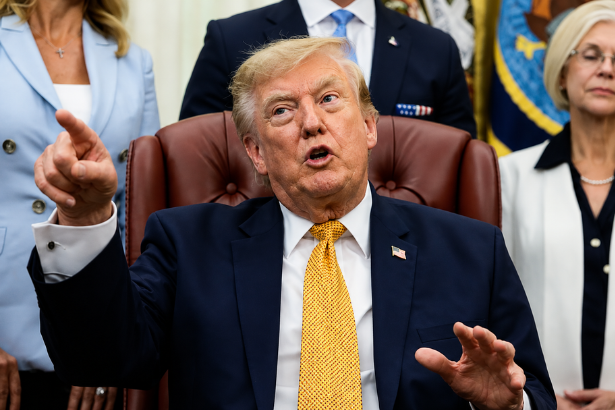
Chevron has become the center of a political debate after President Donald Trump criticized major U.S. oil companies for generating significant profits during the recent Iran conflict. Speaking to reporters, Trump argued that companies including Chevron and ExxonMobil benefited from elevated crude oil prices while American consumers continued paying higher prices at the pump.
Background and Context
Oil markets experienced significant volatility following escalating tensions involving Iran, sending crude prices sharply higher before gradually stabilizing.
Higher crude prices translated into increased revenues for major integrated energy companies such as Chevron and ExxonMobil, which reported strong upstream production performance throughout the year.
While investors welcomed higher energy prices, consumers continued facing elevated gasoline costs, creating renewed political pressure on the oil industry.
Latest News Breakdown
Trump criticized Chevron and ExxonMobil, saying the companies earned “too much money” during the Iran conflict while consumers paid more for gasoline.
According to CNBC, Trump expressed dissatisfaction with rising profits during the period and suggested energy companies should help reduce fuel prices for American drivers.
Al Jazeera reported that Trump specifically called on Chevron’s leadership to take immediate action aimed at lowering domestic gasoline prices, arguing consumers should benefit as crude prices moderate.
Meanwhile, The Guardian reported that Trump’s criticism reflects broader concerns about corporate profits during periods of geopolitical instability and could reignite debate over energy pricing policies in the United States.
Expert Analysis
Chevron’s earnings remain closely tied to global oil prices rather than retail gasoline prices alone.
Integrated oil companies generate revenue from exploration, production, refining, and chemicals, meaning profits often rise when crude prices increase.
Analysts note that while political pressure can influence public perception, commodity prices are primarily determined by global supply, demand, OPEC+ production decisions, refinery capacity, and geopolitical developments.
Investors will likely monitor whether political rhetoric translates into regulatory action affecting the broader energy sector.
Broader Implications
For Energy Markets
Political scrutiny could increase pressure on oil companies to justify profit margins if gasoline prices remain elevated.
For Investors
Chevron remains one of the world’s largest dividend-paying energy companies, and any policy changes affecting production, taxation, or refining margins could influence future earnings expectations.
For Consumers
Although crude prices have eased from recent highs, gasoline prices continue to vary significantly across regions due to refining costs, taxes, and local supply conditions.
Internal Link Suggestion
Related: How Geopolitical Tensions Impact Global Oil Prices
Comparable History
Major oil companies have frequently faced political criticism during periods of rising fuel prices.
Similar debates occurred following the Russia-Ukraine conflict and during previous oil price spikes, when policymakers questioned whether energy companies were generating excessive profits while consumers struggled with inflation.
Chevron has historically maintained that its financial performance reflects global market conditions rather than deliberate fuel pricing strategies.
What Happens Next
Markets will closely watch upcoming earnings reports from Chevron and other major energy producers for signs that higher commodity prices continue supporting profitability.
Investors will also monitor any policy proposals or regulatory measures that could emerge following Trump’s renewed criticism of the oil industry.
Oil prices remain highly sensitive to geopolitical developments in the Middle East, making further volatility possible.
Conclusion
Chevron has found itself at the center of a renewed political debate after President Trump accused major oil companies of profiting excessively during the Iran conflict.
While energy companies argue their earnings reflect global market fundamentals, the controversy underscores how fuel prices remain both an economic and political issue in the United States.
As geopolitical uncertainty continues influencing energy markets, Chevron will remain under close scrutiny from investors, policymakers, and consumers alike.
Frequently Asked Questions
Why is Chevron trending today?
Chevron is trending after President Donald Trump criticized major oil companies for making significant profits during the Iran conflict and called for lower U.S. fuel prices.
What did Trump say about Chevron?
Trump argued that Chevron and ExxonMobil earned excessive profits while Americans paid higher gasoline prices and urged the companies to reduce fuel costs.
Has Chevron responded?
At the time of reporting, no formal public response from Chevron had been highlighted in the referenced reports.
Why do oil companies earn more when crude prices rise?
Higher crude prices generally increase revenue from oil production, although refining costs, operating expenses, and global demand also influence overall profitability.
Could Trump’s comments affect Chevron stock?
Political comments alone do not necessarily affect long-term fundamentals, but investors often monitor policy developments that could impact the energy industry.
Sources & References
- The Guardian: Trump slams oil companies for ‘making too much money’ from Iran war
https://www.theguardian.com/business/2026/aug/04/donald-trump-oil-companies-war-iran-us-exxonmobil-chevron - CNBC: Trump says Exxon and Chevron made too much money off high oil prices during Iran conflict
https://www.cnbc.com/2026/08/03/trump-says-exxon-and-chevron-made-too-much-money-off-high-oil-prices-during-iran-conflict-i-dont-like-it.html - Al Jazeera: Trump slams Chevron CEO, demands immediate reduction in US fuel prices
https://www.aljazeera.com/economy/2026/8/3/trump-slams-chevron-ceo-demands-immediate-reduction-in-us-fuel-prices