


CES 2026 is once again setting the tone for the technology industry, with Samsung and LG using the global stage to unveil major advances in artificial intelligence, televisions, and mobile devices that point to a more automated, immersive future.
From AI-driven TVs to Gemini-powered smartphones, CES 2026 highlights how intelligence is becoming the core of consumer electronics.
Introduction
CES 2026 opened with a surge of interest as Samsung and LG revealed next-generation AI technologies designed to reshape how consumers interact with screens, devices, and digital assistants.
Background and Context
The Consumer Electronics Show has long served as the industry’s most influential launchpad. In recent years, CES has shifted away from pure hardware specs toward software, services, and AI integration. This year, that evolution is unmistakable.
Samsung and LG, two of the world’s largest display and device manufacturers, are leveraging CES 2026 to signal that artificial intelligence is no longer a feature but the foundation of modern consumer technology.
Latest Updates From CES 2026
According to reporting from Samsung, the company plans to double the number of AI-powered mobile devices it ships this year, reaching roughly 800 million units globally. Many of these devices will be powered by Google’s Gemini AI platform, embedding generative AI directly into smartphones, tablets, and wearables.
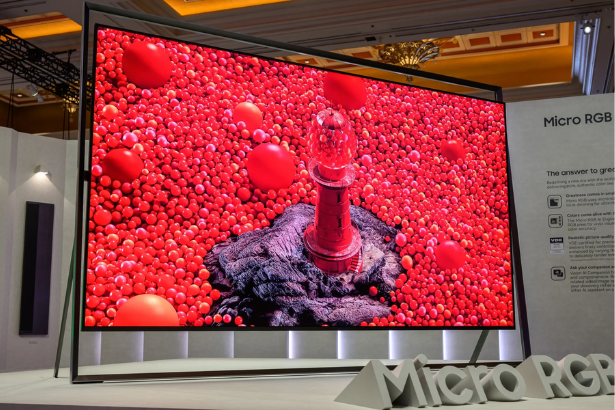
At the same time, Samsung unveiled supersized, color-rich AI televisions that use machine learning to optimize picture quality in real time. These TVs analyze on-screen content to dynamically enhance brightness, contrast, and color accuracy, even upscaling lower-resolution video with improved realism.
Rival LG also made waves at CES 2026, showcasing new OLED TV technology promising brighter colors, better image quality, and higher energy efficiency. LG’s approach leans heavily on AI-powered image processing to deliver more lifelike visuals while reducing power consumption.
Expert Insights and Analysis
Industry analysts note that CES 2026 confirms a clear strategic shift. Hardware differentiation alone is no longer enough. The real competition now lies in AI ecosystems, where software intelligence enhances every layer of the device experience.
Samsung’s aggressive push into Gemini-powered mobile devices suggests a deeper alignment with Google’s AI roadmap. This could accelerate consumer adoption of generative AI features such as real-time translation, contextual assistants, and automated content creation directly on devices.
Meanwhile, LG’s focus on display excellence reinforced by AI processing underscores how premium TVs are evolving into intelligent media hubs rather than passive screens.
Broader Implications
For Consumers
CES 2026 signals that AI-driven personalization will soon be standard. TVs that automatically optimize for sports, movies, or gaming and smartphones that anticipate user needs will become everyday expectations rather than luxury features.
For the Tech Industry
The announcements highlight intensifying competition between ecosystems. AI partnerships, not just chip performance, will determine market leadership over the next decade.
For Policy and Data Privacy
As AI becomes embedded across devices, questions around data usage, transparency, and on-device processing will attract increased regulatory scrutiny worldwide.
Related History and Comparable Shifts
The transition mirrors earlier turning points, such as the rise of smart TVs in the 2010s and the smartphone app explosion after 2007. CES 2026 may be remembered as the moment when AI-first consumer electronics became mainstream.
What Happens Next
Following CES 2026, consumers can expect these AI-powered TVs and mobile devices to begin rolling out throughout the year. Analysts anticipate rapid iteration as companies race to refine AI features based on real-world usage.
Samsung’s ambitious shipment targets suggest that AI-enabled devices could reach critical mass faster than previous technology cycles, reshaping how people interact with technology on a daily basis.
Conclusion
CES 2026 makes one thing clear. Artificial intelligence is no longer confined to the cloud or experimental demos. With Samsung and LG placing AI at the center of TVs and mobile devices, the future of consumer technology is intelligent, adaptive, and deeply personalized.
As these products reach the market, CES 2026 will stand as a defining moment in the industry’s shift toward AI-driven experiences.
FAQ
Q1: What is the main theme of CES 2026?
AI integration across consumer electronics, especially TVs and mobile devices.
Q2: How many AI-powered devices does Samsung plan to ship?
Samsung expects to ship around 800 million AI-powered mobile devices this year.
Q3: What makes the new Samsung TVs different?
They use AI to dynamically enhance picture quality, color, and brightness in real time.
Q4: How is LG competing at CES 2026?
LG is focusing on advanced OLED displays with AI-powered image processing for better visuals and efficiency.
Q5: When will these products be available?
Most announced devices are expected to launch gradually throughout 2026.


